
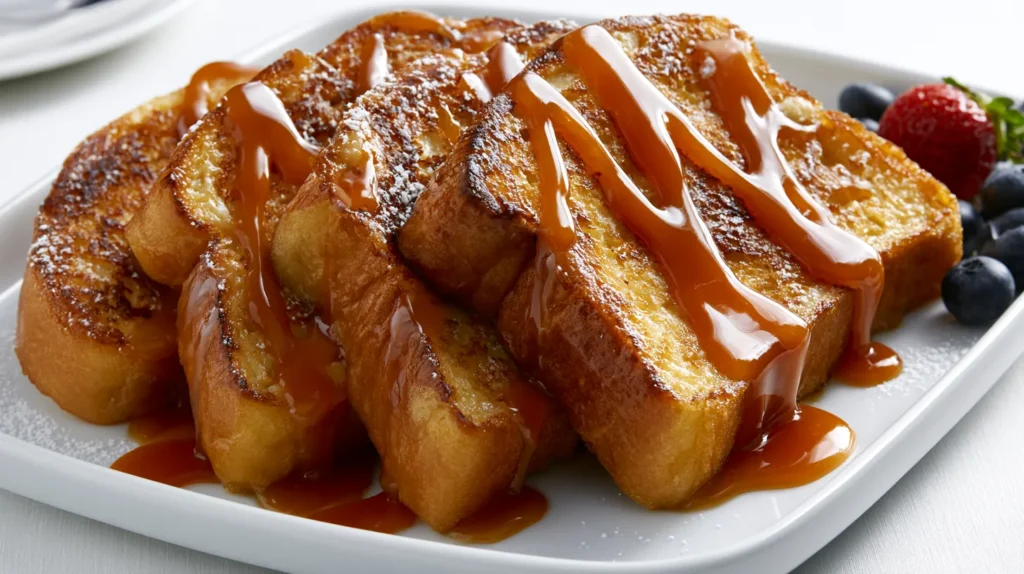
There’s regular breakfast, and then there’s caramel French toast with glossy edges and big brunch energy. I tend to notice some recipes sound fussy, but still use plain pantry basics. That is my favorite kind of kitchen trick. I want cozy, pretty, and doable before anyone asks where the clean forks went.
This recipe gives sweet weekend vibes without turning the kitchen into a food show set. It tastes rich, looks special, and still keeps both feet on the ground. As a mom in Orlando, I appreciate breakfast that works for sunshine, noise, and hungry people. Also, humidity already does enough around here, so this recipe should not add more work.
The caramel matters, of course. Yet the bread, custard, and skillet heat matter just as much. That is where this recipe can go from “cute idea” to “oh, save this.” The trick is balance.
You want buttery caramel, soft centers, golden edges, and enough salt to keep sweetness in check. However, you do not need fancy tools or dramatic chef behavior. You need thick bread, a warm skillet, and a sauce that pours smoothly. A little cinnamon helps too, because bland custard has no business at brunch.
So yes, we’re making the whole recipe today. Ingredients, measurements, steps, tips, swaps, serving ideas, and FAQs all get their moment. But I’m not dumping everything at once, because the best details show up gradually. First, let’s talk about the part people usually overlook.
Some of the links on this page are affiliate links. That means if you click and make a purchase, I may earn a small commission at no extra cost to you. If you’re curious about the fine print, you can check out my full disclosure.
Why Caramel French Toast Tastes Fancy Without Extra Work
Caramel French toast brings that brunch-table look without a long list of dramatic steps. I like recipes that look impressive, then quietly use regular ingredients. That combination makes me feel far more capable than I deserve before coffee. Also, it keeps breakfast from turning into a dressed-up chore. Bless it.
The best part comes from contrast. Outside, the bread gets golden, while the middle stays soft and custardy. Then the caramel adds a buttery brown sugar finish. It tastes rich, but it does not need a white tablecloth moment.
Here’s the tiny twist. More caramel does not always mean better caramel French toast. I know. That sounds almost illegal. Still, too much sauce can hide the texture you worked to get.
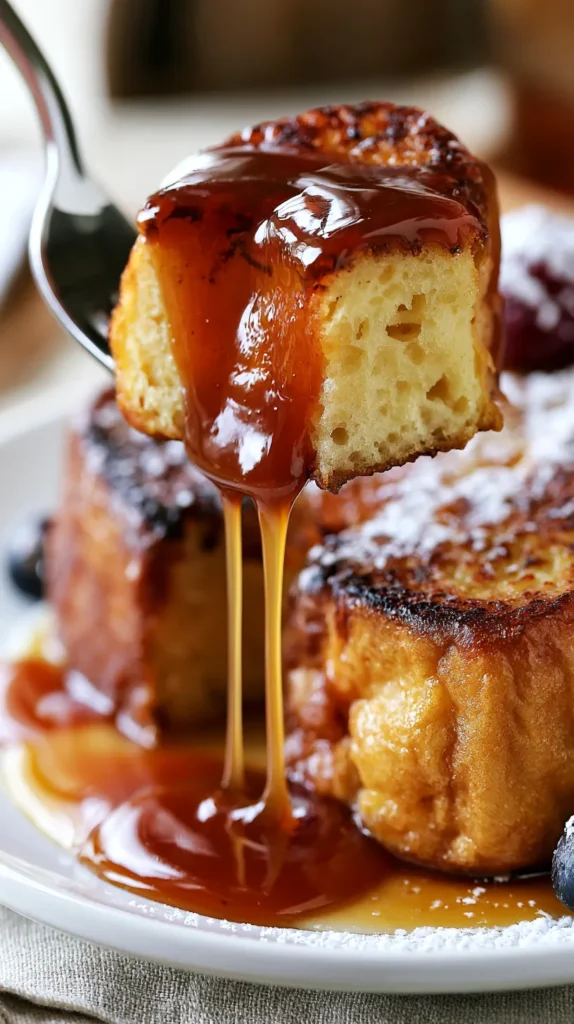
Instead, use enough caramel to coat the top and drip lightly down the sides. That way, every bite still tastes like French toast. You get sweetness, cinnamon, vanilla, and that cozy browned-butter flavor from the pan. The sauce adds drama, but the toast still matters.
Bread choice matters more than people think. Thin bread can work, but thick bread gives better texture. Brioche, challah, or Texas toast holds the custard without falling apart. Slightly dry bread works even better.
Also, the custard needs flavor before cooking. If the egg mixture tastes bland, the finished recipe tastes bland too. Vanilla, cinnamon, brown sugar, and salt do small but important work.
Fancy breakfast does not require fancy technique. Sometimes it only needs the right pan heat and one sauce worth remembering. That is the kind of kitchen math I can support, especially when brunch already has enough opinions.

Ingredients For Caramel French Toast And Why They Matter
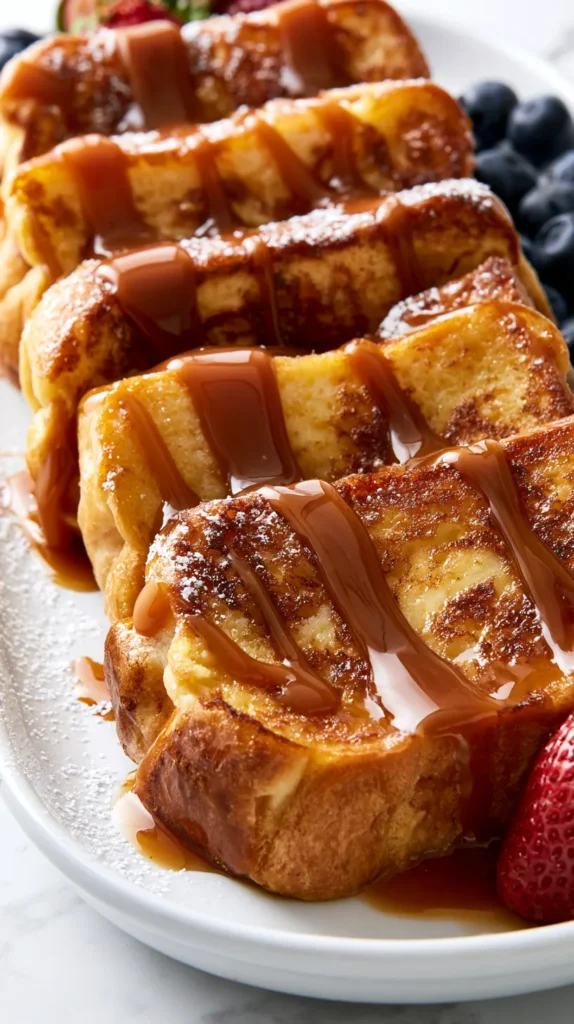
Caramel French toast uses basic ingredients, so every one needs a reason to be there. I’m not interested in adding things just for kitchen sparkle. If an ingredient shows up, it needs to help flavor, texture, or both. That keeps the recipe useful instead of noisy.
For the French toast, start with thick bread. Brioche gives the richest bite. Challah tastes soft and slightly lighter. Texas toast works well when you want an easy grocery-store option. Day-old bread works beautifully because it soaks evenly, and here’s what you’ll need:
- 8 thick slices brioche, challah, or Texas toast
- 4 large eggs
- 1 cup whole milk
- 1/2 cup heavy cream
- 2 tablespoons brown sugar
- 2 teaspoons vanilla extract
- 1 teaspoon ground cinnamon
- 1/4 teaspoon salt
- 2 tablespoons butter, for cooking
For the caramel sauce, keep the list short and useful. These amounts make a smooth sauce without extra fuss:
- 1 cup packed light brown sugar
- 1/2 cup salted butter
- 1/3 cup heavy cream
- 1 teaspoon vanilla extract
- 1/4 teaspoon salt
Now, let’s discuss the milk situation. Whole milk gives the custard body. Heavy cream adds richness. Together, they make caramel French toast taste cozy without making it too heavy.
Brown sugar matters too. White sugar sweetens, but brown sugar adds depth. It gives the custard a warmer flavor before the caramel reaches the plate. Salt may look small, yet it keeps everything balanced.
If your bread feels very soft, leave it out for twenty minutes. That small move helps the slices soak evenly. It also helps them hold together in the skillet. Simple ingredients can still give a big payoff when each one earns its spot.
The Simple Caramel Sauce Situation
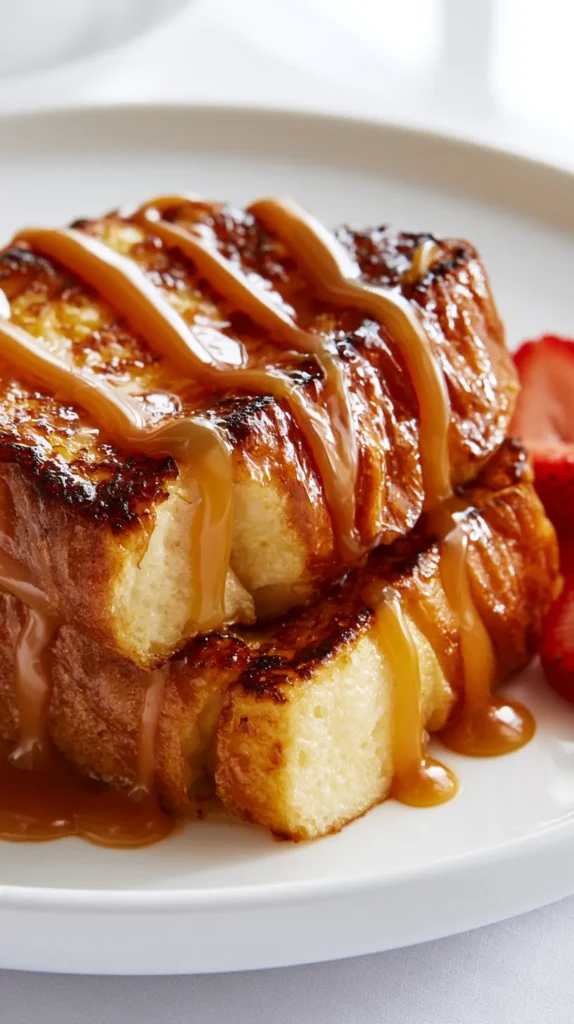
The caramel sauce for this recipe uses brown sugar, which keeps the process friendly. That means no candy thermometer, no scary sugar stage, and no tiny kitchen meltdown. We’re keeping it smooth, buttery, and very manageable. I’m deeply in favor of manageable. That matters here.
Add brown sugar, salted butter, heavy cream, and salt to a small saucepan. Place it over medium heat. Stir as the butter melts and the sugar starts dissolving. At first, it may look slightly grainy, which is normal.
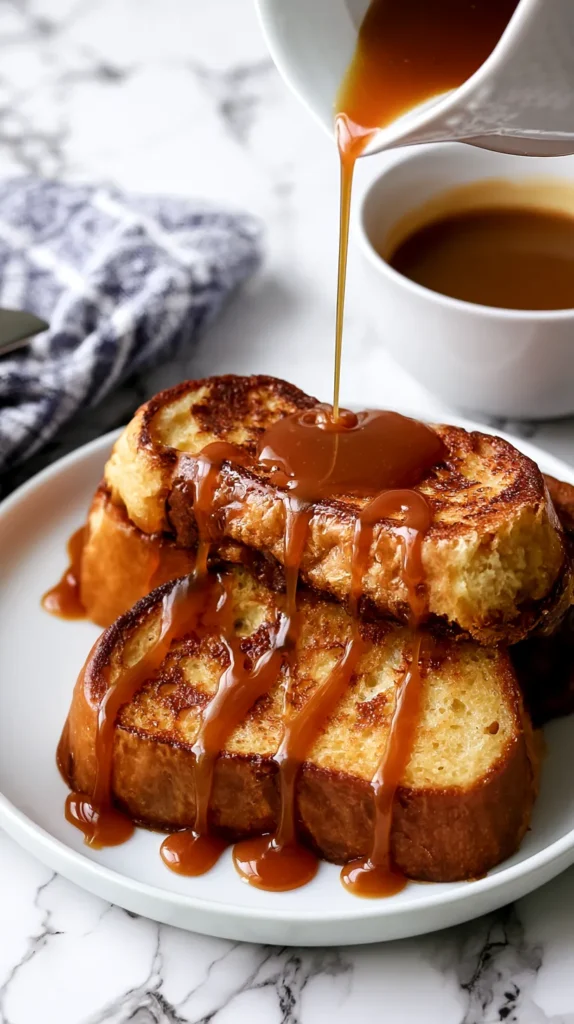
Once the mixture bubbles gently, simmer it for two to three minutes. Stir often, but don’t beat it like cake batter. You want a glossy sauce that coats a spoon and drips slowly. Then remove the pan from the heat.
Stir in vanilla extract after the bubbling settles. That keeps the vanilla flavor clear instead of dull. Here’s where things can get sneaky. If you cook the sauce too long, it thickens fast.
That texture works for candy, but not for caramel French toast. We want pourable sauce, not a sticky topping that grabs the fork. If the sauce thickens while the toast cooks, warm it gently. Add one tablespoon of cream if needed.
Store-bought caramel sauce can work in a rush. I’m practical, not precious. However, homemade gives better flavor here because the butter and salt stay more noticeable. It also lets you control the thickness.
Do not cover every detail on the plate with caramel sauce. Use enough for richness while keeping the toast edges visible. That balance makes the recipe taste sweet, cozy, and grown-up. And yes, the salt helps more than people expect.
How To Make Caramel French Toast Without Morning Chaos
Making caramel French toast gets easier when the counter setup makes sense. I like to arrange the custard, bread, skillet, and serving plate before cooking. That keeps the process calm, even when the kitchen has a lot going on. Small setup moves save big breakfast stress.
Whisk the eggs, milk, heavy cream, brown sugar, vanilla, cinnamon, and salt. Keep whisking until no egg streaks remain. The cinnamon may float a little, which is normal.
Then warm a large skillet over medium heat. Add a small pat of butter. Let it melt and coat the pan. Avoid high heat, because burnt edges and soft centers make a very annoying pair. After that, follow these steps:
- Dip one bread slice into the custard for 10 to 15 seconds.
- Turn it once and soak the second side.
- Let extra custard drip back into the dish.
- Place the slice in the warm skillet.
- Cook for 2 to 3 minutes per side.
- Transfer the cooked slice to a plate or warm oven.
- Repeat with the remaining bread.
- Drizzle warm caramel sauce before serving.
That dipping time matters. Too little soaking gives dry centers. Overdoing the soak makes the bread heavy and fragile. Thick bread needs enough custard to soften, but not so much it collapses.
Also, don’t crowd the skillet. Crowded bread steams instead of browning. Give each slice room, even if that means cooking in batches. For a bigger batch, keep cooked slices in a 200-degree oven.
Set them on a rack over a baking sheet. That helps the bottoms stay lightly crisp. This is where the recipe starts looking brunch-ready. Not complicated. Just handled with a little calm.
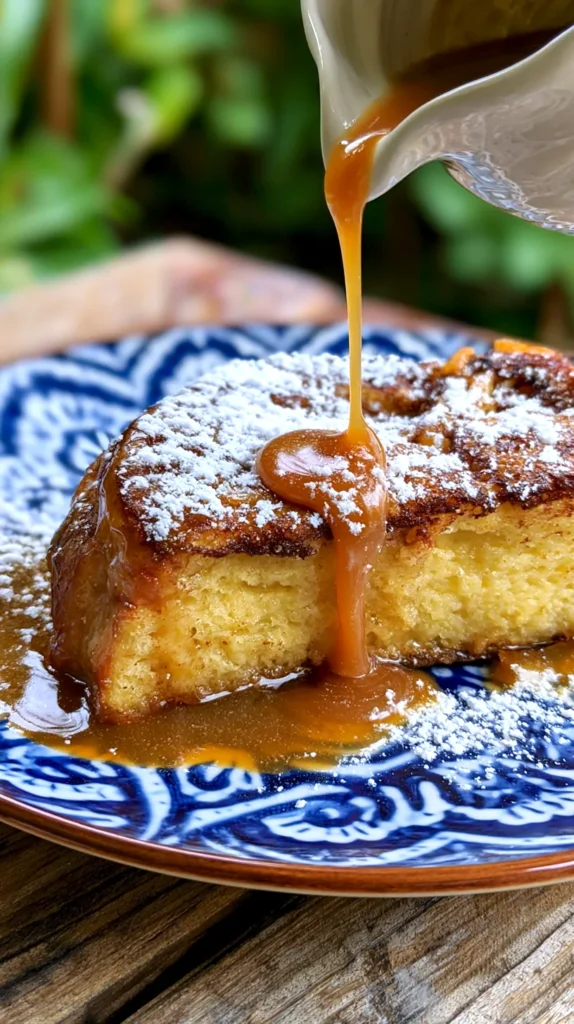
Caramel French Toast Tips For Better Texture
Texture can make or break caramel French toast. The flavor may be sweet and rich, but soggy bread still ruins the moment. Thankfully, most texture problems have easy fixes. They usually start before the bread even reaches the pan.
I tend to notice soggy French toast often comes from three things. The bread soaks too long. Thin custard can also cause trouble. Or the pan heat runs too low. Use these tips when you want better texture:
- Choose bread sliced about 3/4 to 1 inch thick.
- Use day-old bread when possible.
- Whisk the custard until smooth.
- Dip briefly instead of soaking for a long time.
- Let excess custard drip off before cooking.
- Cook over medium heat.
- Add fresh butter between batches.
- Wipe dark butter bits from the skillet.
- Keep cooked slices on a rack in a low oven.
Here’s the surprising part. More custard is not always better. A good soak makes the center soft. However, a long soak can make the bread wet all the way through.
Pan heat also matters more than toppings. Medium heat gives the custard time to cook while the outside browns. High heat browns too fast. Low heat can make the bread taste heavy. That middle lane wins.
Butter adds flavor, but burnt butter adds bitterness. If the pan gets dark bits, wipe it carefully. Then add fresh butter and keep cooking. For extra edge, sprinkle a tiny pinch of brown sugar on each side before cooking.
Keep that sugar light, because too much can burn fast. The goal is soft centers, golden edges, and glossy sauce. That texture feels special without making the recipe fussy.

Serving Ideas For A Better Brunch Plate
Serving this recipe can stay easy, but a little contrast makes the plate better. Sweet breakfasts need something fresh, salty, or crisp nearby. Otherwise, every bite can start tasting the same. Nobody wants sugar fatigue before noon.
Fresh fruit works beautifully. Strawberries, blueberries, raspberries, bananas, apples, and pears all fit. Berries add brightness. Bananas add softness. Apples or pears bring a cozy cinnamon flavor.
For salty sides, keep things simple. Bacon, turkey bacon, sausage, or chicken sausage all balance the caramel. That salty bite makes the sweetness taste richer without making the plate too sugary. I will always defend a sweet-salty plate.
Drinks matter too, especially for brunch. Coffee keeps everything grounded, and hot tea gives a soft café mood. Orange juice adds brightness. Sparkling lemonade works well if you want something fun. Try these serving combinations when you want the plate to look planned:
- Caramel French toast with strawberries and bacon
- Warm slices with bananas and toasted pecans
- Brioche slices with berries and whipped cream
- Challah slices with apples and chicken sausage
- Texas toast slices with coffee and orange juice
Now, let’s talk toppings without losing control. Powdered sugar looks pretty, but use a light hand. Whipped cream adds fun, but a small spoonful works best. Toasted nuts add crunch and help balance the soft texture.
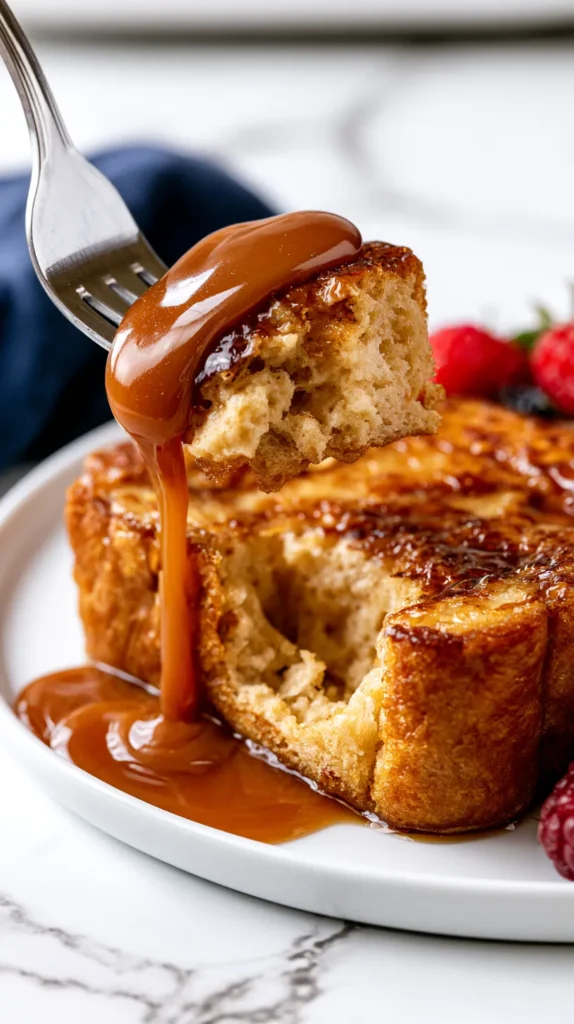
A small bowl of extra warm caramel on the table feels special. It also lets each person choose their own sweetness level. That is helpful, because some people drizzle lightly. Others treat caramel like a personal decision.
For a pretty plate, stack two slices slightly off-center. Add fruit to one side. Drizzle caramel across the top, not over every inch.

Easy Swaps And Little Upgrades
This recipe already tastes rich, so upgrades should stay focused. That makes restraint useful. You do not need every sprinkle, nut, syrup, and fruit in one skillet. We want cozy brunch, not breakfast yard sale.
Still, a few swaps can help when the kitchen has opinions. Mine often does. There’s always one missing ingredient at the least helpful time. So, yes, flexibility gets applause.
You can use half-and-half instead of whole milk and cream. The texture will still taste rich, just slightly lighter overall. If you only have milk, use all milk and cook with care. The French toast may taste less plush, but it will still work.
Dark brown sugar gives the caramel a deeper flavor. Light brown sugar keeps the sauce softer and more classic. A pinch of nutmeg can add warmth, though I’d use only 1/8 teaspoon. Nutmeg gets bossy fast.
For a brighter plate, add a little orange zest to the custard. It cuts through the richness in a lovely way. Toasted pecans or walnuts add crunch without much effort. Sliced bananas also work well after cooking.
A stuffed version can work, too. Spread a thin layer of softened cream cheese between two thinner bread slices. Dip the sandwich lightly in custard, then cook it like regular French toast. Keep the filling thin, though, because too much can leak into the pan.
For a fall-style plate, cook diced apples with butter, cinnamon, and brown sugar. Spoon them over the toast after the caramel. That adds warm fruit without changing the base recipe. The best upgrade is the one that still lets the recipe taste clear.
FAQs For This Cozy Breakfast
Can I make caramel French toast ahead of time? You can prep parts ahead, but cook it fresh when possible. Whisk the custard the night before and chill it. Make the caramel sauce ahead too. Then warm the sauce gently before serving.
What bread works best for this recipe? Brioche gives the richest texture, while challah tastes lighter. Texas toast works well for an easy option. Choose thick slices when possible. Thin sandwich bread can get soft fast.
Can I use store-bought caramel sauce? Yes, you can use store-bought sauce when needed. Choose a thick caramel with a buttery flavor. Warm it before serving, so it pours smoothly over the toast.
How do I keep the French toast from getting soggy? Use thick, slightly dry bread. Dip each slice briefly, then let extra custard drip off. Also, cook over medium heat. Low heat can make the bread absorb too much butter.
Can I make this recipe without heavy cream? Yes, you can use all whole milk. You can also use half-and-half. The texture will taste a little lighter, but the recipe still works.
How many servings does this make? This recipe makes 4 servings if each person gets 2 slices. For smaller portions, it can serve 6. Add fruit, bacon, or eggs if you need a fuller brunch plate.
Can I double the recipe? Yes, double the custard and caramel sauce. Cook the toast in batches. Keep finished slices warm in a 200-degree oven on a rack.
What should I do with leftover caramel sauce? Store it in a covered jar in the fridge. Warm it gently before using. Try it over pancakes, ice cream, apple slices, or coffee drinks. That little jar will not go to waste.

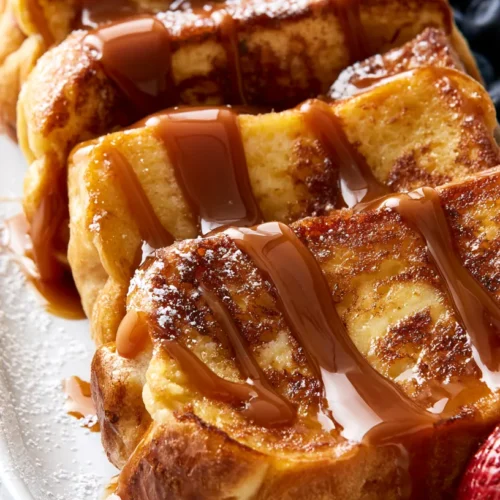
Caramel French Toast
Ingredients
For the French Toast
- 8 thick slices brioche challah, or Texas toast
- 4 large eggs
- 1 cup whole milk
- 1/2 cup heavy cream
- 2 tablespoons brown sugar
- 2 teaspoons vanilla extract
- 1 teaspoon ground cinnamon
- 1/4 teaspoon salt
- 2 tablespoons butter for cooking
For the Caramel Sauce
- 1 cup packed light brown sugar
- 1/2 cup salted butter
- 1/3 cup heavy cream
- 1 teaspoon vanilla extract
- 1/4 teaspoon salt
Instructions
- Add the brown sugar, salted butter, heavy cream, and salt to a small saucepan.
- Place the saucepan over medium heat.
- Stir as the butter melts and the sugar starts dissolving.
- Let the mixture bubble gently.
- Simmer the caramel sauce for 2 to 3 minutes.
- Stir often while the sauce simmers.
- Remove the pan from the heat.
- Stir in the vanilla extract.
- Warm the sauce gently if it thickens while the French toast cooks.
- Add 1 tablespoon of cream if needed to loosen the sauce.
- Whisk the eggs, whole milk, heavy cream, brown sugar, vanilla extract, cinnamon, and salt in a shallow dish.
- Keep whisking until no egg streaks remain.
- Warm a large skillet over medium heat.
- Add a small pat of butter to the skillet.
- Let the butter melt and coat the pan.
- Dip one bread slice into the custard for 10 to 15 seconds.
- Turn the bread once and soak the second side.
- Let extra custard drip back into the dish.
- Place the bread slice in the warm skillet.
- Cook for 2 to 3 minutes per side, until golden.
- Transfer the cooked slice to a plate or a warm oven.
- Repeat with the remaining bread slices.
- Add fresh butter between batches as needed.
- Wipe dark butter bits from the skillet if needed.
- Keep cooked slices warm in a 200-degree oven on a rack over a baking sheet if needed.
- Drizzle warm caramel sauce over the French toast before serving.
The Breakfast Worth Saving For A Slow Morning
I like recipes that make a normal morning more fun without adding a giant kitchen mess. Caramel French toast fits that exact little category. It gives weekend brunch energy, but it still uses ingredients most people recognize. That balance always gets my attention.
There’s something satisfying about a recipe that looks special because the details are right. Thick bread, a flavorful custard, steady skillet heat, and warm caramel do the real work. None of that feels out of reach. It just needs a little care.
As a mom in Orlando, I also respect breakfast that can handle real life. Some mornings have sunshine, noise, missing shoes, and someone asking for a different cup. A recipe should not make that harder. This one keeps things sweet without turning needy.
I’d save this on Pinterest for holidays, birthdays, sleepovers, brunch boards, and slow Saturdays. It has that save-for-later quality because it feels useful and pretty. That is a rare combination, and I’m not mad about it.
The best version comes from balance. Avoid oversoaking the bread. Keep the sauce generous, but not wild. Let the caramel add richness, while fruit or salty sides keep the plate interesting.
I’d serve this with berries, bacon, coffee, and extra sauce nearby. Not because extra sauce is required. Because choices at brunch make people happy, and happy people complain less about sticky plates. That’s not science, but I stand by it.
So make it cozy, golden, and just dramatic enough. Tomorrow can have the sensible breakfast.