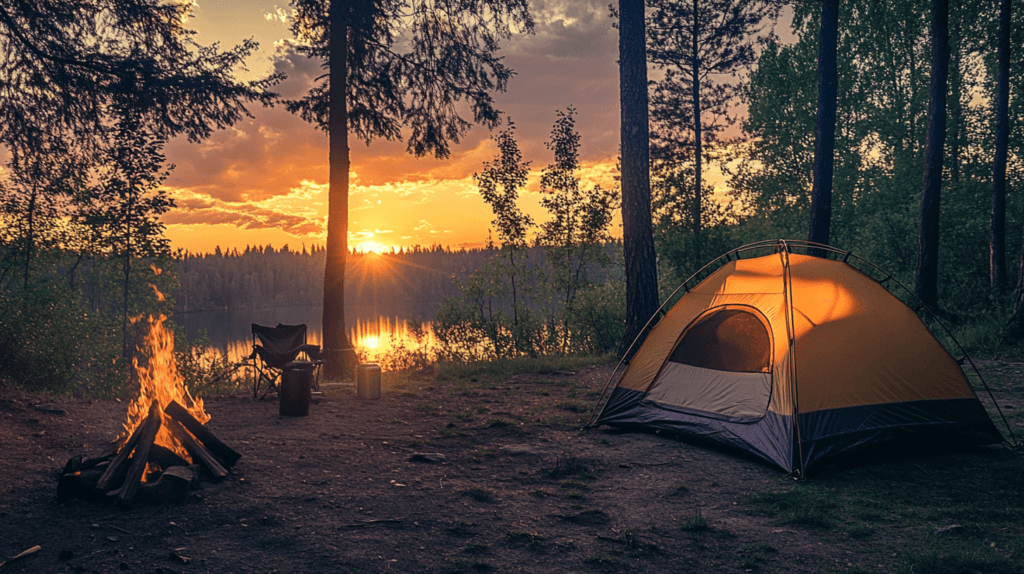
Family camping ideas hit different when life feels loud. My calendar fills up fast, and I start craving simple nights. I mean the kind with tree shade and zero notifications. I also want my kids to remember us laughing, not rushing.
I’ve found that camping turns regular time into sticky memories. The air smells like pine and sunscreen, and it’s weirdly calming. Kids get curious and brave in small ways, and I love watching that. Meanwhile, I get to breathe again, because the pace slows down.
Still, I don’t want a trip that drains me. I tend to notice the stress comes from tiny stuff, not big stuff. The tent fights back, the flashlight goes missing, and someone gets hangry. Then I catch myself thinking, why does this feel harder than it should?
Living in Orlando means fun sits on every corner, and crowds can sneak in fast. So I crave places where the loud world can’t follow us. A simple campsite helps me reset, and it costs way less too. Also, the quiet makes conversation easier, even with teens.
Even so, I’m not chasing perfect. I’m chasing easy wins that make everyone happy. And once you know what to plan, the whole trip gets lighter. So let’s talk about the family camping ideas that actually work, plus places that won’t feel packed.
Some of the links on this page are affiliate links. That means if you click and make a purchase, I may earn a small commission at no extra cost to you. If you’re curious about the fine print, you can check out my full disclosure.
Ideas To Make Family Camping Fun For Everyone
Getting everyone excited can be tricky, especially on the first trip. I’ve found most pushback comes from one worry: discomfort. Kids picture boredom, and adults picture chaos. That’s the real hurdle, not the woods.
Here’s my surprising take: comfort makes the trip more outdoorsy. When people sleep well, they explore more. Let your kids choose one snack and one camp activity. That little control cuts complaints fast (and saves your energy).
Family camping ideas work best when the day has an easy rhythm. I keep one simple rule: food and sleep come first. Then the fun happens on its own. Stick with that, and you’ll notice the tone shift.
Comfort Items That Matter
- A real pillow in a washable case
- One extra blanket per person
- Warm socks and a hoodie
- A clip light or headlamp
- Baby wipes for quick cleanups
Now for the part that sounds boring, but isn’t. Tiny activities beat big plans every time. A scavenger hunt turns a short walk into a mission. Sometimes a deck of cards rescues a rainy hour.
Easy Activities Kids Actually Do
- Nature bingo with colors and shapes
- Rock stacking contest near camp
- Flashlight tag in a safe, open area
- Stargazing and silly made-up constellations
- Quiet time with books and trail mix
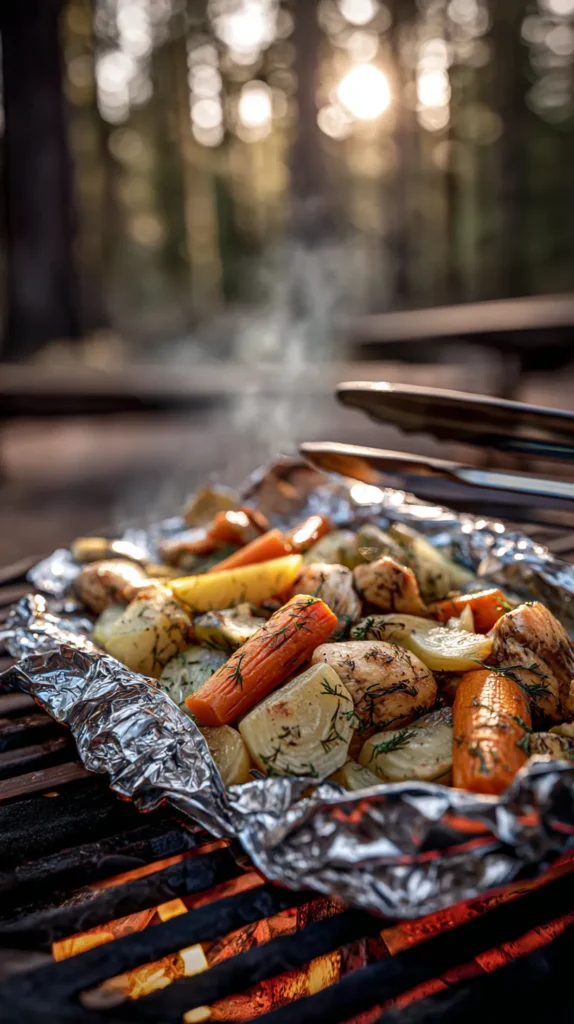
Most people think camp meals need to be creative. I disagree. Keep dinner simple so you can enjoy it. Hot dogs, foil packets, and fruit are fast wins.
Save the “wow” for dessert. S’mores do the job, every single time. In the next section, I’ll share the packing trick that cuts setup time in half.
Family Camping Ideas That Work
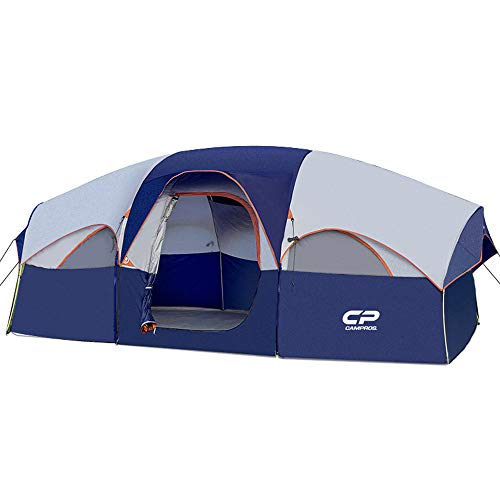
A little prep changes everything, and I don’t mean complicated prep. I’ve found the best trips start with fewer expectations. More stuff doesn’t make it easier. Better stuff makes it easier.
Start small if you’re new, and stay close to home. A campground with bathrooms can save your mood fast. You can still get that outdoorsy reset. You just won’t spend the night regretting your choices.
Here’s the packing trick that cuts setup time in half. Pack one setup tote that you grab first. Keep it in the car where you can reach it. Then you set up camp without digging through everything.
Setup Tote Must Haves
- Headlamps or flashlights
- Tent stakes and a small mallet
- Rainfly and a small tarp
- One roll of trash bags
- Bug spray and sunscreen
- Water bottles and quick snacks
Most people think camping gets easier after you buy more gear. I don’t agree. I think camping gets easier when you pack in “zones.” Put kitchen items in one bin. Put sleep items in another bin. Label them with big tape so kids can help.
Zone Packing That Saves Your Sanity
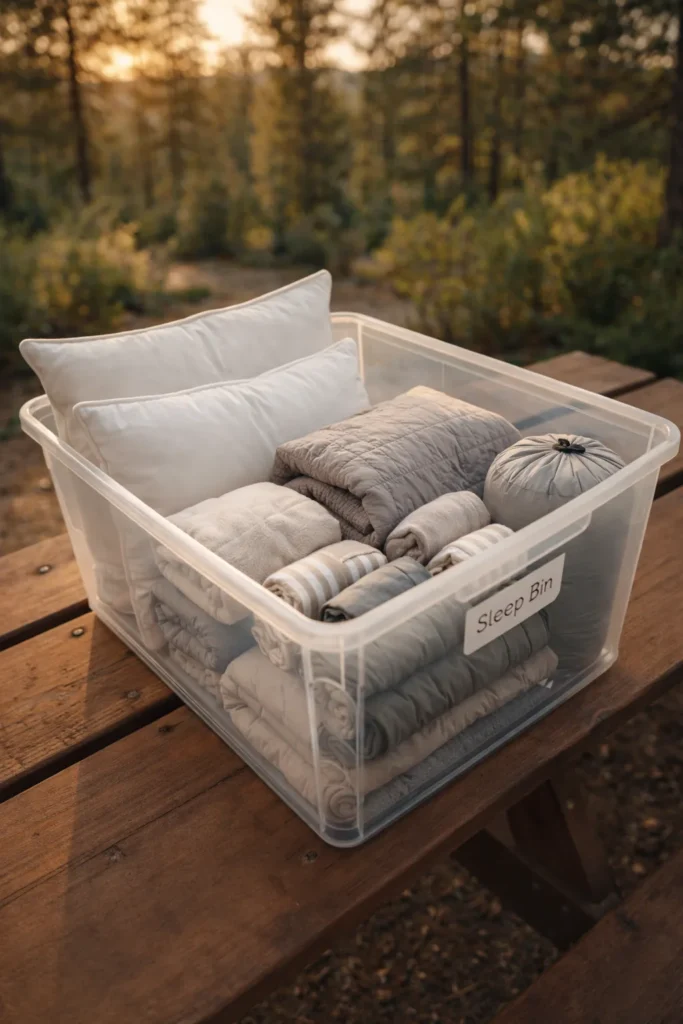
- Sleep bin with pillows, blankets, pajamas
- Kitchen bin with plates, wipes, utensils
- Camp bin with chairs, lantern, fire tools
- Play bin with cards, ball, small toys
Camping with friends can also help, but pick the right friends. You want easy people, not planners with clipboards. Kids play longer, and adults share the work. That shared load matters.
Rain happens, and it doesn’t ruin a trip. Bring one simple backup plan and call it good. Board games, books, and a deck of cards work every time.
These family camping ideas keep the trip calm, even when things go sideways. Next up, I’ll share how to pick a campsite that fits your kids.
Hidden Gems U.S. Campgrounds Perfect For Families
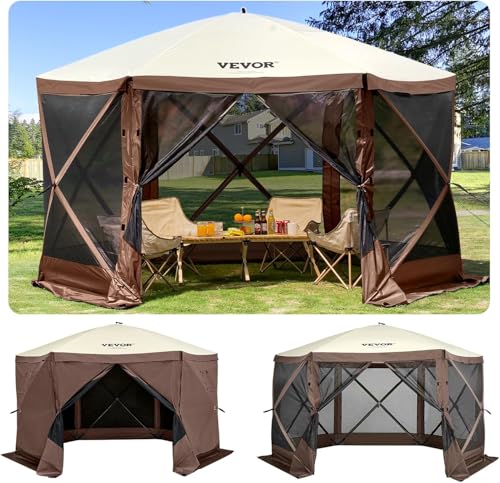
Hidden gems matter when kids tire fast or get overwhelmed. Big-name parks can feel like a theme park. Crowds and packed trails wear everyone out. A kid-friendly campsite fits your family, not a postcard.
I’ve found the best place isn’t the most famous place. A better pick matches your kids’ energy and your patience. family camping ideas get easier when the campsite does half the work. So here are a few spots that stay quieter.
Acadia National Park, Maine, works well if your crew likes water and short walks. Tide pools turn into a natural treasure hunt. Bar Harbor sits close for supplies or an easy meal. Cadillac Mountain gives big views without a long hike.
Custer State Park, South Dakota, is a win for animal lovers. You can spot bison from the car, which keeps kids excited. Lakes add swim time and simple canoe rentals. Scenic drives also help when little legs quit early.
Olympic National Park, Washington, gives you choices in one trip. Beach campsites work when kids want sand and space. Rainforest trails work when you want shade and cooler air. Elk and sea otters show up sometimes, which feels unreal.
Shenandoah National Park, Virginia, keeps days flexible with Skyline Drive. You can stop often for overlooks and quick trails. Kids get payoff fast, and adults get views too. It’s a solid pick for a first longer trip.
Lassen Volcanic National Park, California, brings lakes, steam vents, and quieter camp loops. Families love the geothermal “whoa” moments. Short trails fit small legs and short attention spans. Nights get chilly, so pack warm layers.
Before you book, I check water access and quick exits to the car. Then I look for bathrooms nearby. That combo keeps everyone happier.
Tips For First Time Family Campers
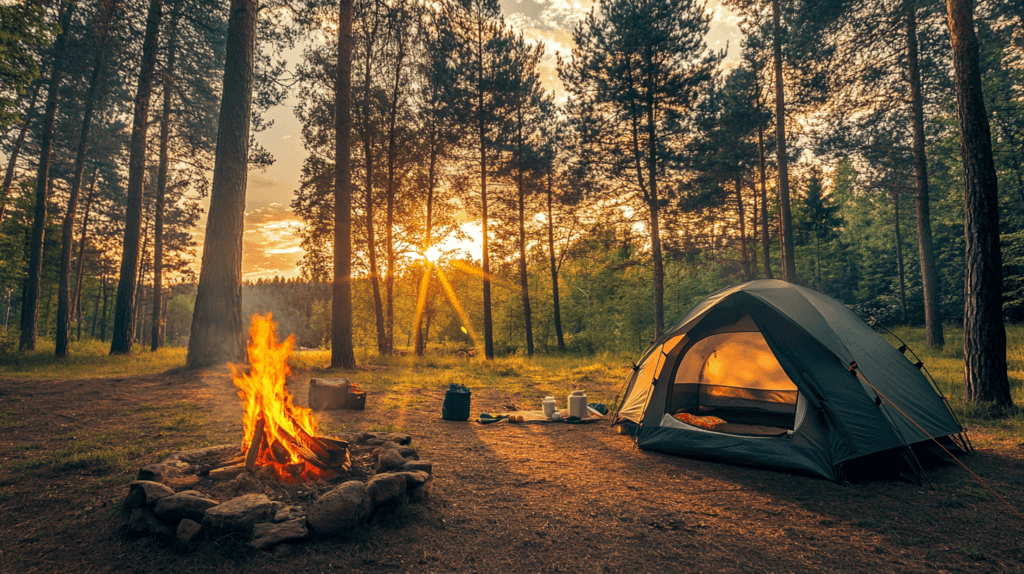
First trips can make you nervous, and I get that. You picture rain, lost socks, and a tent that won’t cooperate. That worry is normal, so don’t judge yourself.
Most people think you need a mountain of gear. I’ve found you need fewer items, packed with intention. Family camping ideas start working when you can find things fast.
Pack smart by thinking in “mom brain” categories (you know the ones). Put sleep items together, keep kitchen items together, and separate clean clothes. Then you won’t rip apart the car at dusk.
Try your gear once before you leave. Set up the tent at home and run the zippers. Check the lantern batteries, and test the stove too.
Here’s my surprising opinion: plan less than you want. Kids don’t need a packed schedule to have fun. They need time to poke sticks, throw rocks, and laugh.
Rain doesn’t ruin a trip as often as people assume. I tend to notice it becomes a cozy story later. Pack one card game and one book, and you’re covered.
Safety also gets easier when you make it simple. Pick one loud meeting spot, like the picnic table. Teach kids to stop walking if they can’t see you.
Bring layers even if the forecast looks friendly. Nights drop fast, and cold kids get cranky fast. A hoodie can save the whole evening.
One more thing helps more than people expect. Keep one “calm kit” with snacks, wipes, and bandaids. When something goes sideways, you’ll have the fix ready.
If you do all that, you’ll camp with less stress. Better yet, you’ll notice everyone settles in sooner. Up next, I’ll share an easy way to choose the right campsite amenities.
Why Lesser-Known Campsites Are Worth It
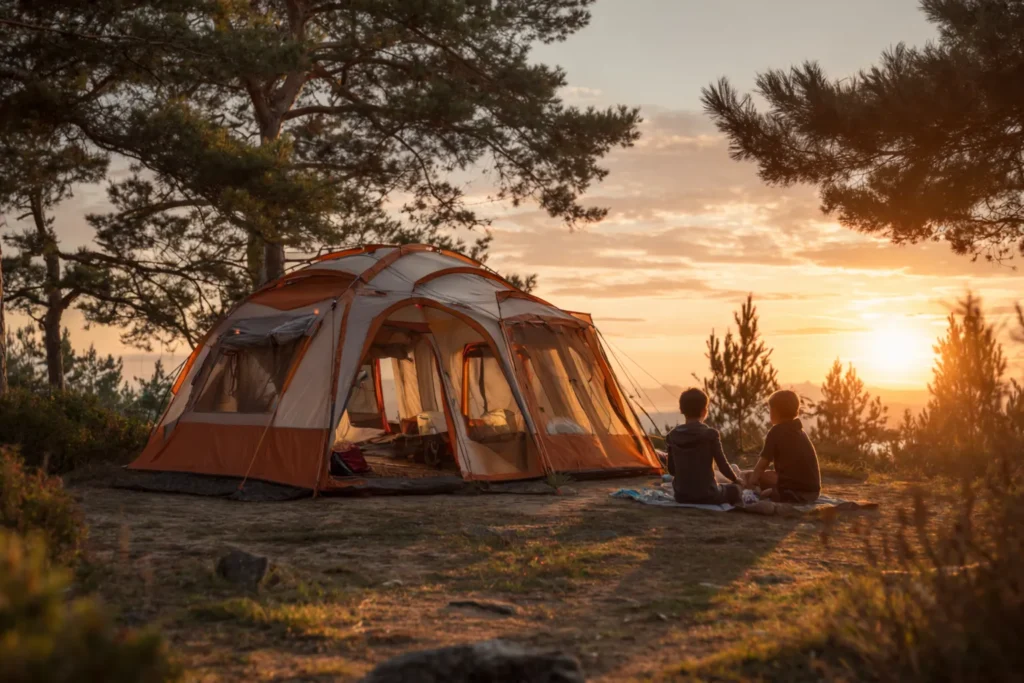
Lesser-known campsites save you from the big trip pressure. Famous parks sound fun, but they can also feel like a busy mall. You wait for bathrooms, you hunt for parking, and kids melt down. Quiet places don’t add stress to your plan.
I’ve found smaller campgrounds give families more room to breathe. You hear more birds and fewer strangers. Kids can roam without you saying watch out every ten seconds. That change makes the whole weekend smoother.
Crowds can ruin nature faster than rain. Rain sends people into tents, and the noise drops. Crowds keep you on edge all day. If you want calm, pick the place nobody brags about online.
Most people assume hidden spots are harder or too rustic. That’s not always true. Many state parks and county parks have clean bathrooms, showers, and easy trails. They just don’t have the famous name, and I’m fine with that.
Another bonus shows up after dark. Smaller parks can have darker skies and louder crickets. You might even catch fireflies or an owl call nearby. Those tiny moments can beat any postcard view.
Also, lesser-known camps can cost less and book easier. You may snag a last-minute site on a normal weekend. Then you can focus on what matters, not reservation drama. Those little wins add up.
One more thing: kids don’t need epic views to love camping. They want sticks, rocks, and space to play. That’s why family camping ideas should start with comfort and freedom, not bragging rights. You’ll get better sleep, and you’ll laugh more.
Finally, I match the campsite to my kids’ energy. Some kids need water nearby. Other kids need space to run. Family camping ideas land better when the location fits them.
The Benefits Of Camping For Kids
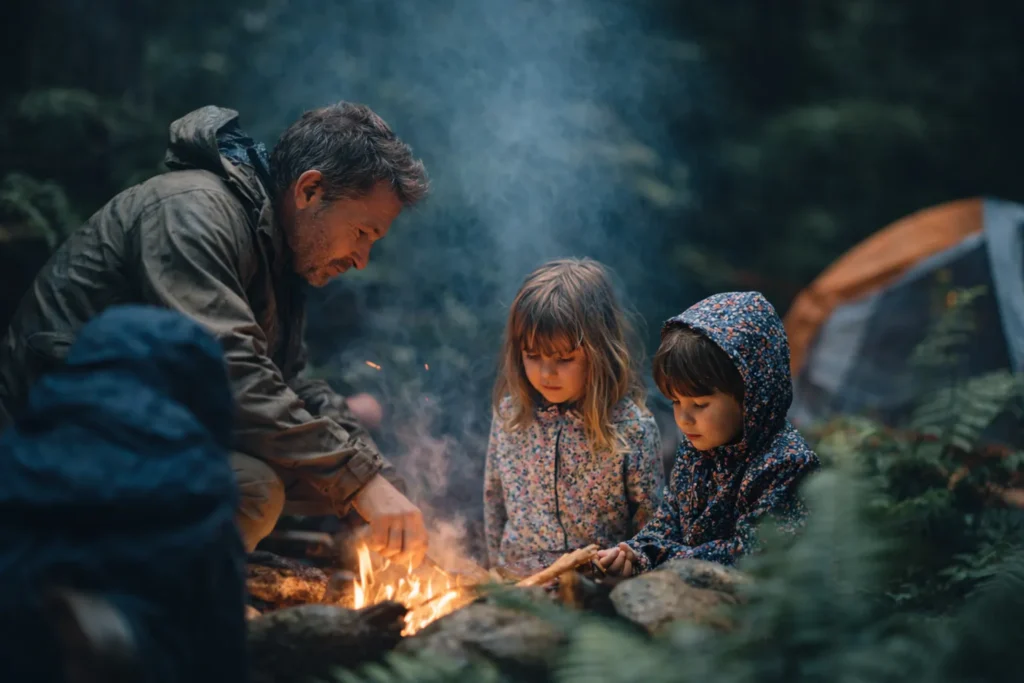
Camping does more than entertain kids for a weekend. It gives them real practice doing hard things. They get dirty, they get tired, and they still keep going. That’s a big deal.
I’ve found kids learn best when the lesson isn’t announced. They learn by doing, not by listening. A tent zipper jams, and they problem-solve. A headlamp goes out, and they adapt.
Here’s the contrast people miss. Screens keep kids busy, but nature keeps them engaged. Outside, they watch ants, count rocks, and race leaves in water. They don’t need much to stay interested.
Most parents assume camping builds confidence only through big hikes. I don’t buy that. Confidence grows from small wins that stack up. They carry a water bottle and take responsibility. They help with kindling and feel proud.
Family camping ideas can support that growth without turning it into a project. I like simple tasks that fit their age. Kids can gather sticks, fill water jugs, or hold a flashlight. Those tiny roles make them stand taller.
Sleep improves too, which helps everyone. Fresh air and movement add up fast. Kids run, climb, and explore without you begging them. Then bedtime comes easier (and you get your own quiet time).
Camping also builds social skills in a sneaky way. Kids share space and handle boredom without drama. They learn to wait their turn at the pump. They also learn that whining doesn’t move a sunset.
And yes, you get memories, but not the staged kind. You get the real kind, like giggles in a sleeping bag. You get stories that start with “Remember when…” without forcing it. In the next section, I’ll share the small habit that keeps kids helpful.
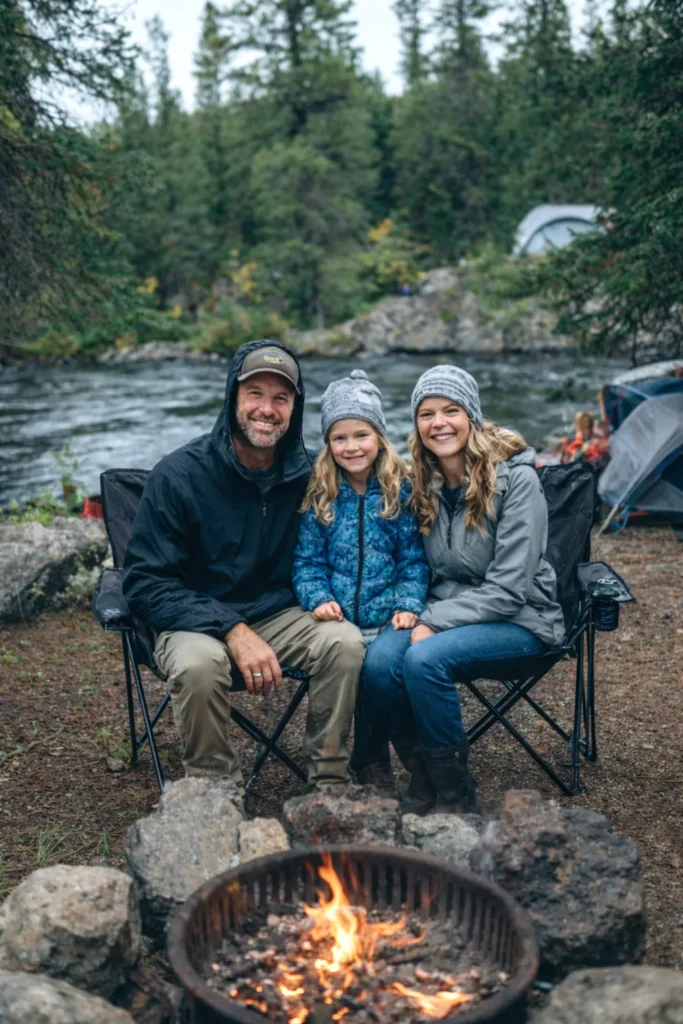
The Small Habit That Keeps Kids Helpful At Camp
The habit is simple, and it sounds almost too basic. I call it the ask then assign moment. Instead of barking orders, I ask one quick question. Then I hand out one tiny job.
Most parents assume kids won’t help unless you push hard. I’ve found the opposite happens at camp. Kids want to matter, even when they act annoyed. They just need a clear lane.
Here’s the scroll-stopper truth: big chores backfire. Small chores stick. A two-minute task feels doable, so they actually start. Once they start, they usually keep going.
Before I assign anything, I set one boundary. I say what’s off-limits and what’s safe. That keeps the help helpful, not stressful. I’ll even say, “Stay where I can see you,” and move on.
I keep the jobs visible and predictable, not random. I also use the same wording every time. “Which job do you want first?” works better than “Help me!” That tiny choice lowers resistance fast.
My go-to helpful jobs
- Fire helper: gather five dry sticks and bring them to the ring
- Light checker: turn on lanterns and place them by the table
- Snack captain: pass out snacks and refill the water bottles
- Trash scout: do a quick loop and grab any wrappers
- Tent buddy: zip doors, shake out shoes, and line up flashlights
Then I praise the action, not the kid. I say, “That helped us a lot.” I don’t overdo it. Kids smell fake praise like sunscreen in July.
Also, I keep one later job in my pocket. When boredom hits, I offer it like a secret mission. That’s when family camping ideas turn into teamwork, not nagging. Want to know my favorite mission for that moment?
The Secret Mission That Saves The Boredom Moment
That pocket job I mentioned is my favorite kind. It looks like play, but it solves a real problem. Kids get restless at camp, and adults get snippy right after. You know that moment when everyone needs a reset?
I use a “camp glow-up” mission. I hand them a small bag and give one clear target. Then I act like it’s top-secret business (because kids love that). Most people assume boredom means you planned wrong. I tend to notice boredom just means kids need a purpose.
Here’s the surprise: this mission works best after dinner. Darkness starts creeping in, and the campsite gets messy fast. So I send them on a calm loop while I breathe.
My go-to camp glow-up missions
- Lantern sweep: check every light and move one to the picnic table
- Shoe lineup: place shoes in a neat row by the tent door
- Flashlight check: test each flashlight and stack them in one spot
- Trash patrol: pick up every wrapper and tie the bag tight
- Kindling finder: collect a handful of dry twigs from the ground
- Snack station: refill water bottles and place snacks in one bin
- Seat set: straighten chairs and clear the table for cards
I keep the wording short, and I keep the win visible. Then I say one honest line like, “That made this place nicer.” Kids respond to real talk, not speeches.
Family camping ideas don’t need fancy plans to work. Small missions create order, and order creates calm. Once the campsite looks better, conversation gets easier. After that, I can focus on the fun part.
Top Family Camping Sites Across the U.S.
Picking a spot can make or break the trip. I’ve found the right location prevents half the crankiness. Campground seasons and closures change, so I always check the official camping page before I go.
Below are places that do offer camping, plus a few that are permit-only. I also swapped out spots that don’t provide standard camping.
Northeast
Coast air and cooler nights can help kids sleep better. Water access also keeps everyone busy.
- Acadia National Park, Maine, campgrounds are seasonal and reservable
- Nickerson State Park, Massachusetts, family camping near Cape Cod beaches
- Wellfleet Hollow State Campground, Massachusetts, another Cape Cod area camping option
- White Mountain National Forest, New Hampshire, developed campgrounds across the forest
- Letchworth State Park, New York, classic family camping with big views
- Hickory Run State Park, Pennsylvania, great for boulders and creek time
- Assateague Island National Seashore, Maryland, beach camping with seasonal conditions
- Allegany State Park, New York, lots of campground choices
Southeast
This region books fast in peak months. Shaded sites and nearby bathrooms matter more than people think.
- Great Smoky Mountains National Park, Tennessee and North Carolina, many campgrounds, often seasonal
- Myrtle Beach State Park, South Carolina, beachfront camping and family amenities
- Congaree National Park, South Carolina, includes tent camping
- Shenandoah National Park, Virginia, campgrounds are seasonal
- Stone Mountain Park, Georgia, camping with easy activities nearby
- Everglades National Park, Florida, camping is seasonal in parts
- Anastasia State Park, Florida, beach camping with solid facilities
- Cloudland Canyon State Park, Georgia, waterfalls and family trails
Midwest
The Midwest stays underrated, and I love that. Lakes and dunes do a lot of heavy lifting.
- Sleeping Bear Dunes National Lakeshore, Michigan, sand and clear water
- Custer State Park, South Dakota, bison sightings and swim-friendly lakes
- Starved Rock State Park, Illinois, canyons, waterfalls, and quick trails
- Peninsula State Park, Wisconsin, a Door County family camping pick
- Indiana Dunes National Park, Indiana, beach time plus trails
- Ozark National Scenic Riverways, Missouri, river camping options
- Porcupine Mountains Wilderness State Park, Michigan, woods and views
- Maquoketa Caves State Park, Iowa, caves and easy hikes
Southwest
Heat is the sneaky issue here. Morning plans and shade matter more than ambition.
- Grand Canyon National Park, Arizona, iconic views and rim walks
- Zion National Park, Utah, popular, so book early
- Palo Duro Canyon State Park, Texas, canyon camping with wide skies
- Big Bend National Park, Texas, remote and starry nights
- Brantley Lake State Park, New Mexico, developed campsites near Carlsbad
- Carlsbad Caverns National Park, New Mexico, backcountry camping only with a permit
- Lake Powell, Arizona and Utah, water-focused trips
- Bryce Canyon National Park, Utah, cool nights and unique rock views
- Homolovi State Park, Arizona, an easy camping swap near Petrified Forest
- Petrified Forest National Park, Arizona, wilderness backpacking only, no frontcountry camping
West
Some of these parks get busy fast, even midweek. Quieter camp loops can save the whole trip.
- Yosemite National Park, California, iconic views and family trails
- Lassen Volcanic National Park, California, calmer vibe with seasonal closures in areas
- Olympic National Park, Washington, beach, forest, and mountain options
- Crater Lake National Park, Oregon, cool air and big views
- Sequoia and Kings Canyon National Parks, California, giant trees and campgrounds
- Redwood National and State Parks, California, forest camping options nearby
- Mount Rainier National Park, Washington, meadows and family hikes
- Glacier National Park, Montana, big scenery and wildlife
- Joshua Tree National Park, California, desert camping and easy scrambles
Northwest
This region is great for waterfall people. Cooler nights also help sleep.
- Mount Hood National Forest, Oregon, lots of campground choices
- North Cascades National Park, Washington, rugged views and lake areas
- Silver Falls State Park, Oregon, waterfall trails near camp
- Deception Pass State Park, Washington, coastal views and hiking
- Sawtooth National Recreation Area, Idaho, alpine lakes and wide space
- Ainsworth State Park, Oregon, Columbia Gorge camping, seasonal
- Memaloose State Park, Oregon, another Columbia Gorge camping pick, seasonal
- Olympic National Forest, Washington, USFS campgrounds beyond the park
South Central
These spots can be easier to book than the famous parks. That alone lowers stress.
- Hot Springs National Park, Arkansas, nearby camping options in the area
- Ozark National Forest, Arkansas, forest camping with river access
- Guadalupe Mountains National Park, Texas, desert mountain camping
- Sam Houston National Forest, Texas, easy access, family-friendly camping
- Big Thicket National Preserve, Texas, backcountry camping only with a permit
Mid Atlantic
These are great for shorter drives. They also work well for first trips.
- Delaware Water Gap National Recreation Area, New Jersey and Pennsylvania, river-focused camping
- Allegheny National Forest, Pennsylvania, peaceful woods and lake time
- Catoctin Mountain Park, Maryland, camping options vary by season
- Green Ridge State Forest, Maryland, quieter camping close to the Potomac
Rocky Mountains
Altitude can wear kids out fast. Slow mornings help more than pushing through.
- Rocky Mountain National Park, Colorado, mountain views and trails
- Great Sand Dunes National Park, Colorado, dunes and creek days
- Grand Teton National Park, Wyoming, lakes and peaks
- Mesa Verde National Park, Colorado, cliff dwellings and history
- Bridger Teton National Forest, Wyoming, calmer forest camp areas
Pacific
Hawaii camping is real, but rules matter. Permits and access details change.
- Haleakalā National Park, Hawaii, camping options within the park
- Kalalau Trail, Hawaii, permit-required camping on the Nā Pali Coast
- Pālāʻau State Park, Hawaii, Molokaʻi camping option with reservations
- Waikolu, Molokaʻi Forest Reserve, Hawaii, camping by reservation, 4WD often recommended
Alaska
Alaska campgrounds are often seasonal. Planning around open dates matters a lot.
Denali National Park, Alaska, campgrounds are seasonal and vary by area
Kenai Fjords National Park, Alaska, camping options depend on area and season
Wrangell St. Elias National Park, Alaska, huge space and variable access
Tongass National Forest, Alaska, forest camping options

Last Few Thoughts On Family Camping Ideas
Some weekends I want noise, and other weekends I want quiet. Camping gives me quiet. I’ve found that alone resets my brain. The best part is how ordinary it all looks.
Night comes in, and the campsite slows down. Conversation gets easier when nothing buzzes or flashes. Kids laugh at tiny things, like a marshmallow sliding off a stick. That kind of silly joy sticks.
Living in Orlando means fun is always close, and crowds are always tempting. Still, I like trading lines and parking for trees. Family camping ideas help me pick a place that fits our energy. Then I can stop managing and start noticing.
I tend to notice mornings hit different outside. Coffee tastes stronger, even when it’s basic. Someone wakes up earlier than usual, and nobody acts shocked. The air does the parenting.
I love seeing kids take pride in small jobs. One gathers sticks, and another lines up shoes by the tent. They act like they invented teamwork. That glow-up makes me smile.
Later, I save a few campground notes to Pinterest and let the plan sit there. That small step keeps my next trip from turning into a scramble. I also like knowing I can try a quieter park, not the famous one. That choice says, “We’re here for us.”
If the tent gets cranky, I laugh and keep moving. When the weather changes, I shrug and adjust. Life still happens, but it gets smaller out there. That’s the kind of weekend I want more of.