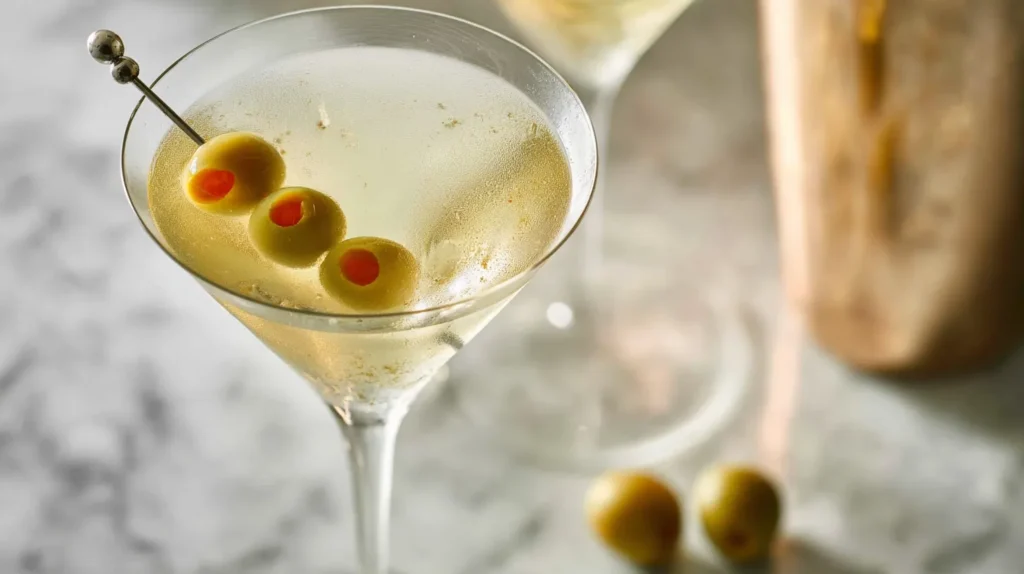
I keep falling for a dirty martini the way I fall for crisp white sneakers. It looks simple, yet it has opinions. The problem is that the drink rarely arrives the way I pictured it. One bar makes it clean and briny in a good way. Another bar serves something that tastes like a pickle jar dared them. Suddenly, I’m questioning my choices, which feels rude.
I’ve found that people talk about this drink like it’s a personality trait. Someone says extra dirty with the confidence of a runway model. Then the sip hits, and their face does that tiny panic blink. Nobody wants to admit the truth out loud. The truth is that most dirty versions are made without a plan.
Living in Orlando, I see martinis everywhere, especially in hotel lounges. I also hear the same arguments on repeat. One person swears vermouth ruins everything. Another person thinks brine should basically slosh. Meanwhile, I just want salty, cold, and sharp, without tasting like seawater.
I’m sharing the exact ratio I use so the drink tastes crisp, not briny. You’ll get the full recipe with measurements, a simple mixing process, and the small tweaks that change everything. I’ll also show you how to adjust brine without flattening the flavor. The goal is one clean, salty sip you can repeat.
Some of the links on this page are affiliate links. That means if you click and make a purchase, I may earn a small commission at no extra cost to you. If you’re curious about the fine print, you can check out my full disclosure.
Dirty Martini Means Brine, Not Chaos
A dirty martini sounds rebellious, which is part of the charm. However, the word dirty means something painfully basic. It means olive brine goes in the drink. That’s the whole deal. Everything else is just people freelancing.
Here’s where things go sideways. Many people assume more brine always equals better. That’s like assuming more perfume always smells nicer. Salt can flatten flavors fast. Too much brine can erase the crisp edge you wanted.
I tend to notice two camps. One camp wants the drink cold and clean first. The other camp wants brine to dominate like a main character. The second camp usually ends up with a drink that tastes dull and harsh. That’s not their fault. That’s the math.
A useful trick helps. Taste your brine straight before mixing. If it tastes metallic or harsh, it will taste worse in alcohol. If it tastes clean and bright, it plays nicely.
A quick reframe changes everything. Dirty does not mean sloppy. Dirty means intentional salt, added with control. That’s why the best ones taste bold, not brutal.
Common myths I wish would retire:
- Dirty means extra olives. It doesn’t.
- Extra dirty means better. Sometimes it just means louder.
- Vermouth always ruins it. Often, vermouth saves it.
In a minute, I’ll give you the ratio that keeps the drink crisp. I’ll also explain why your olive choice matters more than you think.
Ingredients That Make Or Break This Drink
This drink has a short ingredient list, which makes every choice louder. That sounds dramatic, yet it’s true. With fewer moving parts, mistakes don’t hide.
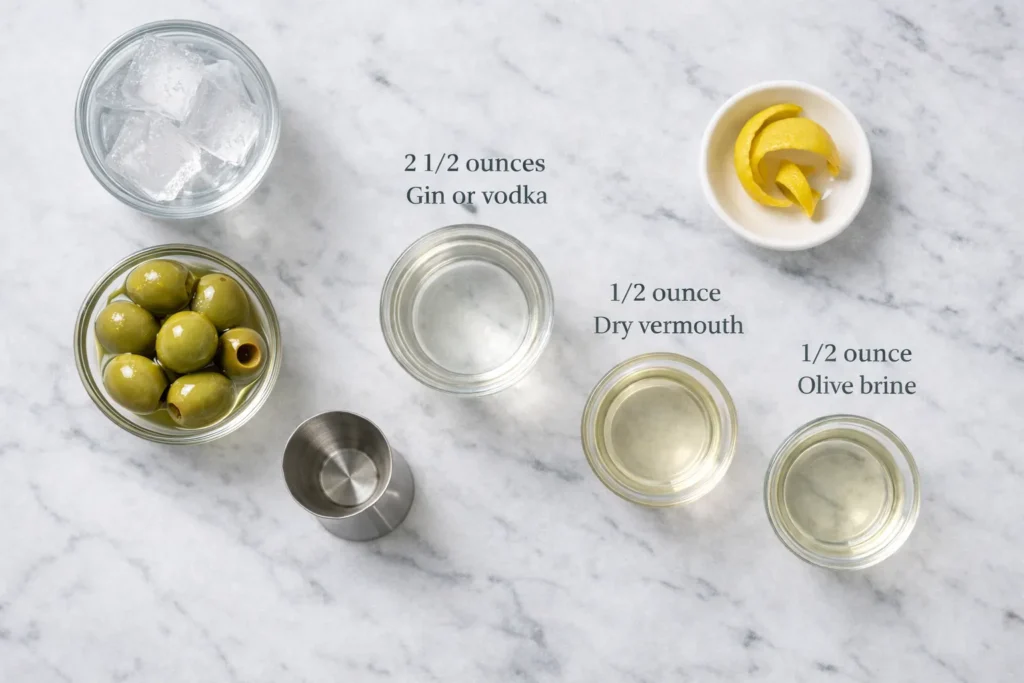
Here’s what you need for a dirty martini that tastes intentional:
- Gin or vodka
- Dry vermouth
- Olive brine
- Lots of ice
- Olives you actually like
Gin gives structure and bite. Vodka gives a clean, neutral base. I’ve found gin handles brine better when I want a classic edge. Still, vodka lets the olive note take center stage.
Vermouth deserves more respect than it gets. It’s wine, not shelf-stable mystery liquid. Keep it in the fridge after opening. Use it within about a month for best flavor. Warm or old vermouth tastes tired, and tired tastes obvious.
Now brine. Brine varies wildly by jar. Some brine tastes clean and bright. Other brine tastes flat and aggressive. Taste it before you pour it. That one habit prevents so much disappointment.
Ice matters more than people admit. Big cubes melt slower and keep control. Tiny cubes melt fast and water everything down. That watery version makes people blame the recipe.
Olives are not decoration. They season the drink as they sit. If you use super salty olives, reduce the brine slightly. If you use mild olives, you can keep the brine steady.
Next, I’m giving you the exact recipe and measurements, no guesswork.
Dirty Martini Recipe With Exact Measurements
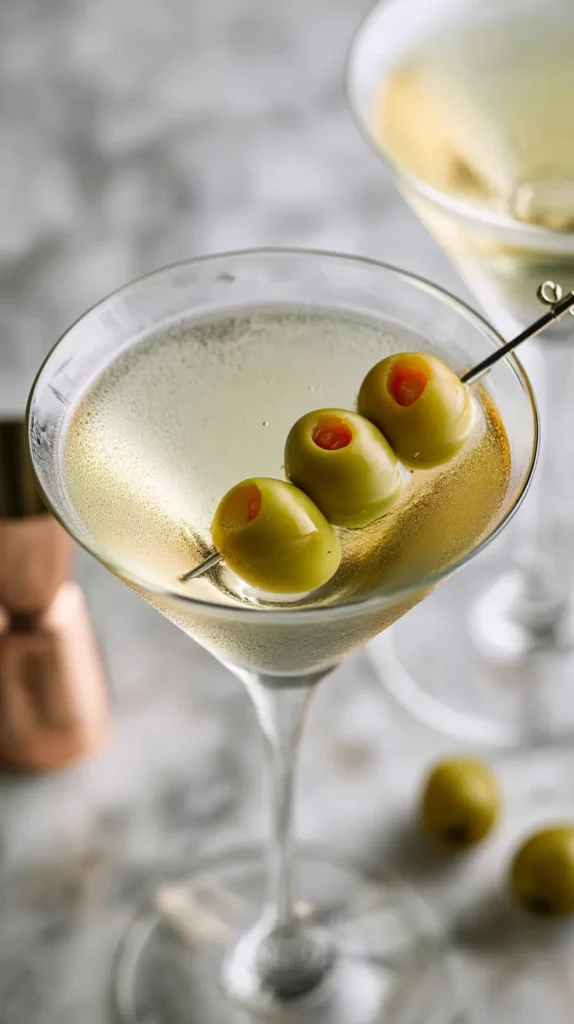
Here’s my go-to dirty martini recipe for one drink. It’s bold, cold, and balanced. It also avoids the salty “why did I do this” moment.
Ingredients (one drink):
- 2 1/2 ounces gin or vodka
- 1/2 ounce dry vermouth
- 1/2 ounce olive brine
- Ice, for stirring
- 2 to 3 olives, for garnish
- Optional: lemon peel, for aroma
That brine amount makes it classic dirty. If you want a lighter edge, use 1/4 ounce brine. If you want it dirtier, use 3/4 ounce brine. I don’t go past 3/4 ounce, because the drink loses its shape.
This ratio is easy to remember: five parts spirit, one part vermouth, one part brine. If you say the words dirty martini and want it consistent, this ratio protects you.
If you like extra dry, drop vermouth to 1/4 ounce. Then keep the brine at 1/2 ounce. That keeps the aroma without making things grassy.
Use a jigger if you can. Brine pours fast and tricks your eyes. I’ve found that eyeballing brine is the fastest path to a too-salty drink.
One more detail that matters. Chill your serving glass while you measure. A cold glass buys you time, and time keeps flavors crisp.
Next, I’ll walk through the process, but I’ll keep it human. No chef cosplay required.


The Process That Keeps It Crisp, Not Watery
This drink lives or dies on temperature and dilution. That’s the quiet truth. You can buy great ingredients and still end up disappointed. Warmth and water will humble anyone.
Steps:
- Fill your martini glass with ice and water to chill it.
- Fill a mixing glass with fresh ice.
- Add gin or vodka, vermouth, and brine.
- Stir about 25 seconds, until the outside frosts.
- Dump the ice water from the serving glass.
- Strain into the cold glass.
- Garnish with olives.
Stirring matters here. Shaking can work, yet it changes the texture. Shaking adds tiny ice shards. Those shards melt fast, and fast melt can blur flavors. Stirring gives steady dilution and a clear look.
If you insist on shaking, do it with intention. Shake hard for about 10 seconds. Then strain quickly. Expect a cloudier drink. Enjoy the softer sip.
Use fresh ice for stirring. Don’t reuse the ice from the glass chill. That ice already started melting. Melting ice steals your control.
Here’s a small adjustment trick. If your drink tastes too strong, stir five more seconds next time. If it tastes watery, stir five fewer seconds. Before you change brine, change dilution.
I’ve found that many “bad” dirty versions are actually warm versions. Cold fixes so much.
In the next section, I’ll talk about tweaks, because everyone wants control. I’ll also tell you how to go extra without ruining it.

How To Customize Without Wrecking The Balance
Customization sounds fun until the glass tastes wrong. A dirty martini has a narrow sweet spot. That’s why I change one variable at a time.
Safe tweaks that usually work:
- Swap gin and vodka based on mood.
- Move brine up or down by 1/4 ounce.
- Cut vermouth to 1/4 ounce for extra dry.
- Add a lemon twist for brighter aroma.
- Use one olive instead of three.
Here’s the controversial part. Extra dirty shouldn’t mean drowning it in brine. I’ve found extra dirty tastes better with slightly more spirit, not just more brine. Spirit keeps structure. Brine adds salt. Too much salt flattens everything.
If you want more brine, increase it slowly. Try 3/4 ounce brine first. Keep vermouth steady while testing. Otherwise, you won’t know what improved.
If you oversalt it, don’t suffer. Fix it. Add 1/2 ounce more gin or vodka. Add fresh ice. Stir again. That quick rescue pulls it back into balance.
If you want a “wet” version, add more vermouth instead. Try 3/4 ounce vermouth with 1/2 ounce brine. That version tastes softer and more aromatic.
If you use stuffed olives, reduce brine slightly. Blue cheese, garlic, and jalapeño all add extra punch. Those flavors stack fast.
One more note. The words dirty martini can describe wildly different drinks. Your version should match your taste, not a bar’s default.
Next, I’m talking garnish and glass choices, because yes, they matter.

Olives, Garnishes, And The Tiny Choices That Change Everything
Garnish feels like a small detail, yet it changes the sip. Olives sit in the drink, and they season it as they go. That means the garnish isn’t just for looks.
Olive choices that behave differently:
- Castelvetrano: mild, buttery, less salty
- Classic green: sharp, briny, more assertive
- Stuffed: strong flavor that can dominate fast
I tend to notice people overload the skewer like it’s a snack emergency. Two olives look intentional. Three feels generous. Five looks like the drink is begging for help.
Classic green olives taste saltier and sharper. Castelvetrano olives taste milder and smoother. With very salty olives, reduce the brine by 1/4 ounce to avoid an overly briny drink.
A lemon twist can be a sneaky upgrade. Express the peel over the glass, then rim it lightly. Citrus oil brightens the aroma without changing the base. That contrast makes the brine taste cleaner.
Glasses matter too. Use a chilled martini glass or coupe. If you only have a rocks glass, that’s fine. Still, keep it cold and strain well.
A small hosting flex helps. Chill the olives too. Warm olives warm the drink quickly. Cold olives keep it crisp longer.
I’ve found that clean presentation changes how the drink tastes. A cold, clear drink hits different than a cloudy, warm one. That’s not snobbery. That’s your brain responding to cues.
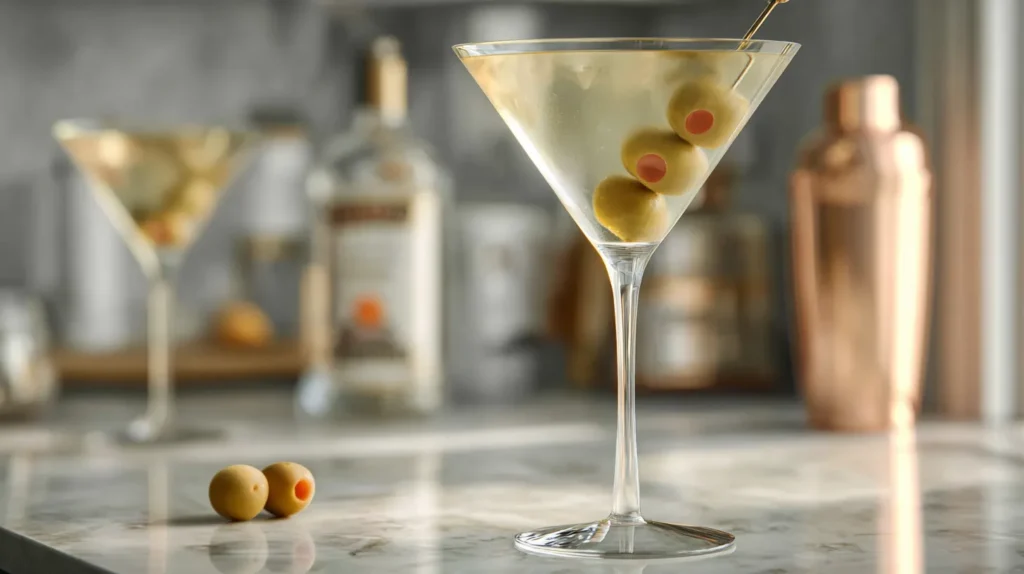
The Brine Cube Method For A Consistent Dirty Martini
Here’s a detail I rarely see people talk about: brine behaves differently at different temperatures. Cold brine tastes cleaner, while warmer brine tastes louder and saltier. So I like to standardize it before the glass ever happens. Instead of pouring straight from the jar, I freeze measured brine cubes. Yes, it sounds extra, but it’s actually calm and practical.
Use a silicone ice tray with small wells, then fill each well with 1/4 ounce olive brine. Label the tray, because freezer mystery is never cute. Once the cubes freeze solid, keep them in a sealed bag to block freezer odors. Now you have consistent brine portions that also chill the mix. That’s the point: you control salt and temperature at the same time.
For a dirty martini, add your spirit and vermouth to a mixing glass of fresh ice. Drop in one brine cube for classic dirty, or two cubes for extra dirty. Stir until the cube fully dissolves and the outside of the glass frosts. Then strain into your chilled glass and garnish like usual. Because the brine starts frozen, you get clean flavor without rushing dilution.
This also helps when olives sit in the glass and slowly salt the sip. Your garnish can stay pretty without quietly taking over.
If the drink tastes too salty, freeze smaller “half cubes” next time. When the drink tastes flat, bump vermouth up before adding another cube. Also, taste your brine brand once, then stick with it for that tray. I use the cubes within two weeks for the brightest flavor. This method keeps your dirty martini repeatable, even when olive jars vary.
Next up, the questions everyone asks, especially about batching.


Dirty Martini FAQs People Actually Ask
People have opinions about martinis, and I respect the passion. Still, questions come up every time. So here are the straight answers, without the dramatic bartender glare.
Can I skip vermouth?
Yes, but you lose aroma and snap. Try a rinse instead. Swirl 1 teaspoon vermouth in the glass, then dump it.
How do I make it less salty?
Lower brine first. Then use fewer olives. After that, stir longer for slightly more dilution.
How do I make it dirtier without ruining it?
Increase brine by 1/4 ounce at a time. Stop at 3/4 ounce brine if you want balance.
Can I use the brine from any olive jar?
You can, but taste it first. Some brine tastes harsh or metallic. Clean brine makes a better drink.
Should I shake or stir?
Stir for clarity and control. Shake for a softer, colder sip with a cloudy look.
How do I batch a dirty martini?
Mix this in a bottle, then chill:
- 2 1/2 cups gin or vodka
- 1/2 cup dry vermouth
- 1/2 cup olive brine
To serve, pour 3 1/2 ounces per drink into ice. Stir, then strain into a chilled glass.
How long does vermouth last?
Keep it refrigerated after opening. Use it within about a month for the best flavor.
Why does mine taste flat?
Old vermouth, weak ice, or too much brine usually causes that. Fix the temperature first. Then adjust the brine.
Next, I’m giving serving ideas, because snacks matter.
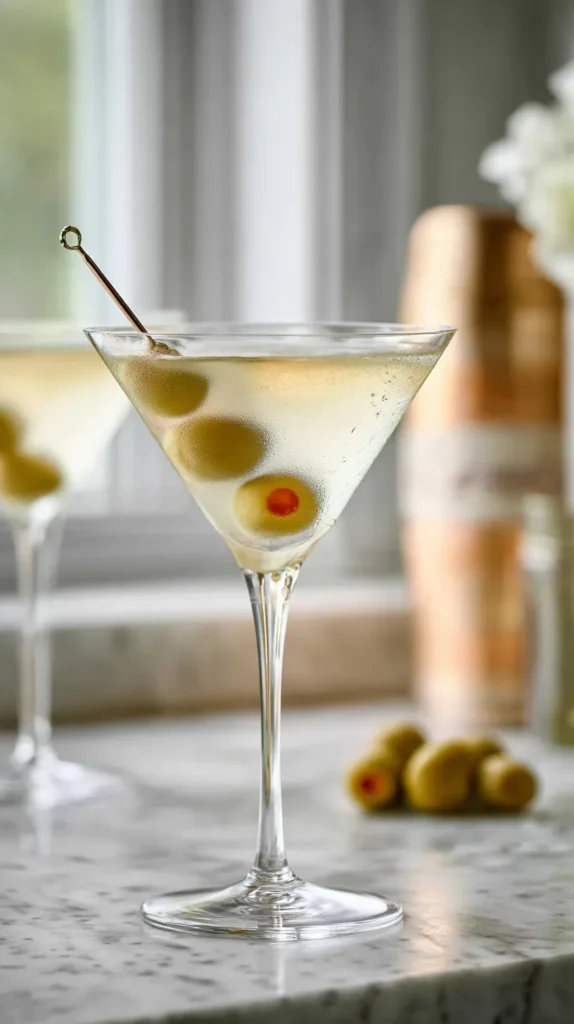
Serving Suggestions That Make It A Whole Moment
A dirty martini deserves a snack that matches the vibe. Sweet snacks usually fight it. Salty, crunchy snacks support it. That’s the easiest rule.
Snack pairings that work:
- Ridged potato chips
- Salted nuts, especially cashews
- Smoked salmon with crisp crackers
- Pickles and pickled onions
- Shrimp cocktail
- Simple charcuterie with salty bites
Here’s my opinionated take. Chocolate makes the drink taste harsher. Fruit can taste odd next to brine. Meanwhile, fries pair with it like a power couple. Yes, fries. Salty fries plus a dirty martini is a valid life choice.
If you’re serving friends, keep the setup simple. Chill the glasses. Keep olives in a small bowl. Put lemon twists on a plate. Leave a jigger out, because guessing ruins consistency.
If you batch a bottle, still stir each drink with ice before serving. Don’t pour batched liquor straight into a glass. Stirring controls dilution and temperature, which makes the drink taste polished.
A small trick helps guests feel fancy. Offer two brine options. Put “classic” brine in one cup and “extra” brine in another. Then people can choose without bullying your ratios.
If you’re making dinner, keep the food simple. Seafood, salty bites, and crisp salads work best. Heavy sweet sauces clash with brine. Keep it clean and let the drink do the talking.
I’ve found that when snacks match the drink, people sip more slowly. That slower pace makes the drink taste better. That’s not magic. That’s rhythm.
Next, I’ll land this with a final thought that isn’t a summary. It’s more of a knowing nod.
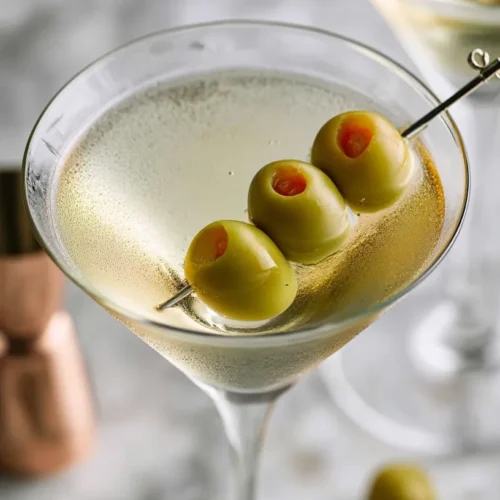
Dirty Martini
Ingredients
- 2 1/2 ounces gin or vodka
- 1/2 ounce dry vermouth
- 1/2 ounce olive brine
- Ice for stirring
- 2 to 3 olives for garnish
- Optional lemon peel for aroma
Instructions
- Fill a martini glass with ice and water to chill it.
- Fill a mixing glass with fresh ice.
- Add the gin or vodka, dry vermouth, and olive brine to the mixing glass.
- Stir for about 25 seconds, until the outside of the glass feels cold and frosty.
- Dump the ice water from the serving glass.
- Strain the mixture into the chilled glass.
- Garnish with 2 to 3 olives on a pick.
- If desired, express a lemon peel over the glass and add it for aroma.

Last Few Lingering Thoughts
I like drinks that commit. A dirty martini commits to salt, chill, and confidence. It doesn’t try to charm everyone. That’s part of why it works.
I’ve found that the best version comes from tiny decisions. Measuring brine beats guessing brine. Cold vermouth beats warm bottles. Big ice beats sad little cubes. Those choices sound boring, yet they make the sip consistent.
Living in Orlando, I watch trendy cocktails rotate constantly. This one stays put. It shows up in hotel bars and steakhouses alike. It also shows up when I want something crisp and no-nonsense.
The funniest part is how personal it gets. People argue gin versus vodka like it’s a moral issue. People debate two olives versus three like it’s a court case. Meanwhile, the drink just wants balance.
If you save recipes on Pinterest, this one deserves a pin. Next time you crave that salty, sharp sip, you can skip the guesswork. The ratio stays consistent, the adjustments stay simple, and the brine won’t sneak past your comfort zone.
So order it with confidence, or make it at home with intention. Keep it cold. Keep it measured. Let the salt show up, then behave. And if someone says extra dirty like it’s a flex, just smile. You’ll know the difference between bold and briny chaos.