
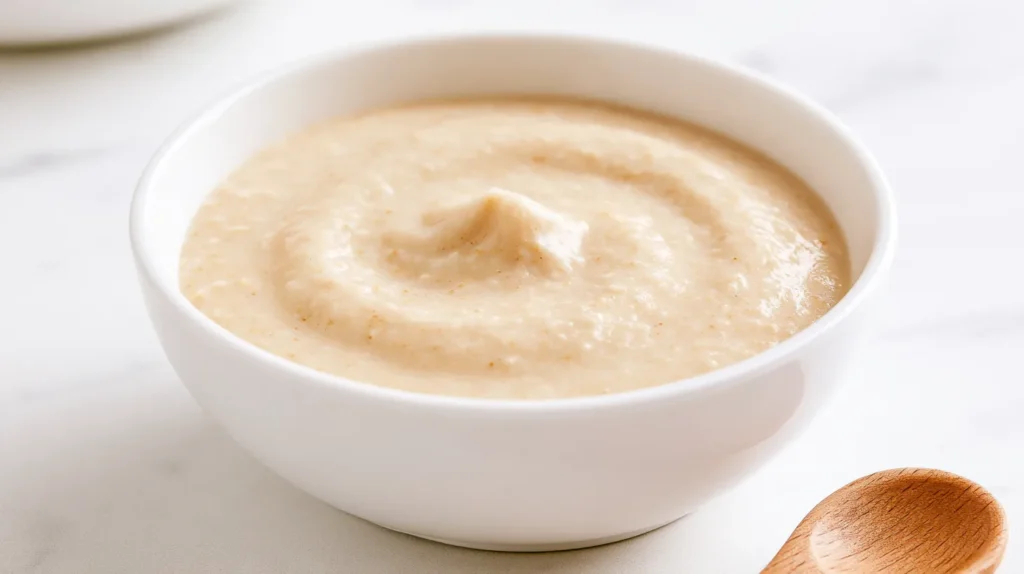
I’ve found that baby cereal recipes are way simpler than the cereal aisle makes them look. Store shelves make it seem complicated, don’t they? Every box promises fortified nutrients and organic sourcing, then charges a premium for ground-up grain.
Being a mom means I read labels closely, especially once solid foods entered the picture. Most baby cereal boxes list a handful of ingredients dressed up in fancy packaging. That realization pushed me toward my own kitchen instead of another shopping trip.
Turns out, homemade cereal takes fewer steps than my own breakfast most mornings. Fewer ingredients, fewer decisions, and a lot less guessing about what’s in the bowl. My first attempt turned into a gluey mess, if I’m being real about it (think wallpaper paste). Keep reading, because the version that finally worked took real trial and error.
Feeding a baby brings a specific kind of pressure that surprised me at first. Every spoonful seems to matter more than it probably does. That pressure eased once I realized cereal doesn’t need to be fancy. Simple, plain, and homemade turned out to be exactly enough.
A handful of pantry staples does more work than any store display admits. That’s the realization this whole post grew out of.
Stick around, because the recipe I landed on took three tries to perfect. The version that finally worked is the one I’m sharing today, gluey mess and all. It’s simpler than you’d expect, and cheaper than the box makes it look. That part still surprises me every single time I make a new batch.
Some of the links on this page are affiliate links. That means if you click and make a purchase, I may earn a small commission at no extra cost to you. If you’re curious about the fine print, you can check out my full disclosure.
Why Baby Cereal Recipes Became My Favorite Kitchen Project
Making baby cereal recipes at home began as a plain money-saving experiment. It grew into something I genuinely look forward to now. Store-bought infant cereal isn’t cheap, especially once you’re refilling a box every week. I ran the numbers one afternoon, and the difference genuinely surprised me.
A bag of plain oats costs a fraction of a fortified cereal box. One bag alone covers weeks of cereal instead of just days. Beyond the savings, I like knowing exactly what lands in each bowl.
Here’s the part nobody mentions: homemade cereal needs zero special equipment. A blender or food processor handles the entire job from start to finish. You already own everything required if you’ve ever made a smoothie or salsa!
I’ve noticed homemade batches taste less bland than the store versions I tried. Babies can’t share opinions yet, but mine leaned toward the homemade bowl every time. That’s purely anecdotal, so take it with a grain of salt or oats.
This whole project also scratches an itch I didn’t know I had. Control over ingredients matters more once you’re feeding someone who can’t complain about the taste. Homemade batches skip preservatives, added sugar, and mystery fillers completely. Small wins like that add up across a hundred breakfasts.
If you’ve ever squinted at a cereal ingredient list, you already know exactly what I mean. That squint is basically what sent me toward my own blender in the first place. Plus, homemade batches let me control texture, which matters more than people expect. A picky eater responds better to texture tweaks than flavor tweaks, in my experience so far.
For that reason, I keep coming back to this same basic method. It’s turned into a small ritual rather than a chore on my to-do list.
The Homemade Baby Cereal Recipe I Make on Repeat
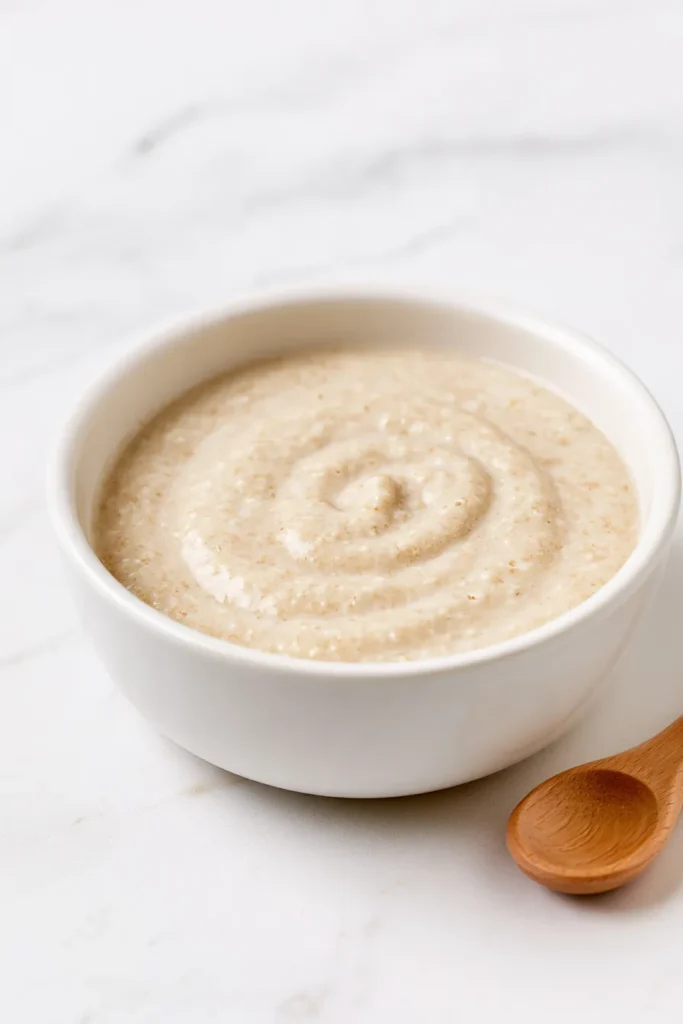
This is the base recipe behind most of my baby cereal recipes. It’s stayed nearly unchanged for months, and it works well for a first attempt. This version is also flexible enough to repeat weekly. Here’s what goes into one batch.
Ingredients:
- 1 cup old-fashioned rolled oats (certified gluten-free if needed)
- 1 tablespoon ground oat powder per serving
- 4 to 6 tablespoons breastmilk, formula, or water per serving
- Optional pinch of cinnamon, only for babies past 8 months
Notice there’s no added sugar, salt, or preservatives anywhere on that list. That’s intentional, and it’s really the whole point of making cereal at home. Rolled oats turn soft once cooked, and they grind into a fine, baby-friendly powder with almost no effort.
I buy plain oats in bulk, since they last for months in a sealed container. One cup of dry oats makes roughly a dozen servings once ground. That ratio makes this one of the more budget-friendly baby cereal recipes I’ve tried so far.
You can swap oats for brown rice or barley using the same basic method below. Each grain grinds a little differently, so texture shifts slightly between batches. I still reach for oats most often, since babies seem to tolerate them well.
Here’s a detail people often miss: freshness changes flavor more than the grain itself does. Oats ground a week ago taste noticeably different from oats ground today, at least to my spoon. That small detail alone might explain why some babies reject cereal without an obvious reason.
6-Month Baby Food Ideas Worth Trying First
Six months is the age most pediatricians mention once solid foods come up. Every baby moves at a slightly different pace, though. I’d always check with your pediatrician before starting, since readiness matters more than a date on a calendar. Sitting with support and steady head control are two signs worth watching for.
Single-grain cereals are a common first food, mostly because they’re gentle and simple to thin out. Oat cereal tends to sit easier than rice cereal for many babies, according to several pediatric feeding guides. Starting with one new food at a time also makes reactions easier to spot early.
Texture matters just as much as flavor at this early stage. A thin, almost soupy consistency tends to work best for the first few tries. You can thicken things gradually once your baby gets used to swallowing something besides milk.
Here’s something worth remembering: patience beats technique during this whole stage. Some babies take to cereal right away, while others need several attempts before it clicks. Neither outcome means you’re doing anything wrong, no matter what certain parenting forums might suggest.
Beyond cereal, mashed banana, avocado, and sweet potato are gentle first foods worth trying around the same time. Pairing a new fruit with cereal can turn the whole process into something closer to an adventure. Mixing textures works best only once your baby already handles a few single-ingredient foods well. Testing a few baby cereal recipes alongside these first foods keeps mealtime interesting.
Easy Baby Cereal Recipes for Busy Mornings
Mornings with a baby rarely leave room for anything complicated, so this method stays quick by design. Once oat powder is ready, the rest comes together in minutes. Here’s the process I follow on repeat.
Steps:
- Add rolled oats to a blender or food processor
- Blend on high for one to two minutes until finely powdered
- Pour the powder into an airtight container for storage
- Combine one tablespoon of powder with four to six tablespoons of liquid
- Cook over low heat for one to two minutes, stirring constantly
- Remove from heat once the mixture thickens slightly
- Let it cool a few minutes before checking the temperature and serving
That entire process takes about five minutes, not counting time to cool. I usually grind a big batch of powder once a week. That single habit cuts morning prep down to almost nothing.
Weekday mornings genuinely go smoother once that powder is already sitting in the pantry. You can microwave the mixture instead of using a saucepan, if that fits your kitchen better. Thirty seconds on medium power usually works, though stirring halfway through prevents uneven hotspots.
Either method lands you in roughly the same place, minus the cleanup. That’s the quiet win hiding inside these baby cereal recipes. Less mess, less time, and one less thing to think about before coffee.

Homemade Baby Oatmeal Cereal (My Go-To Variation)
Oatmeal cereal earns its own mention because it’s the version I reach for most. The base recipe above already covers oats, but a few small tweaks change the whole experience. I’ve noticed texture adjustments matter more than flavor ones at this age.
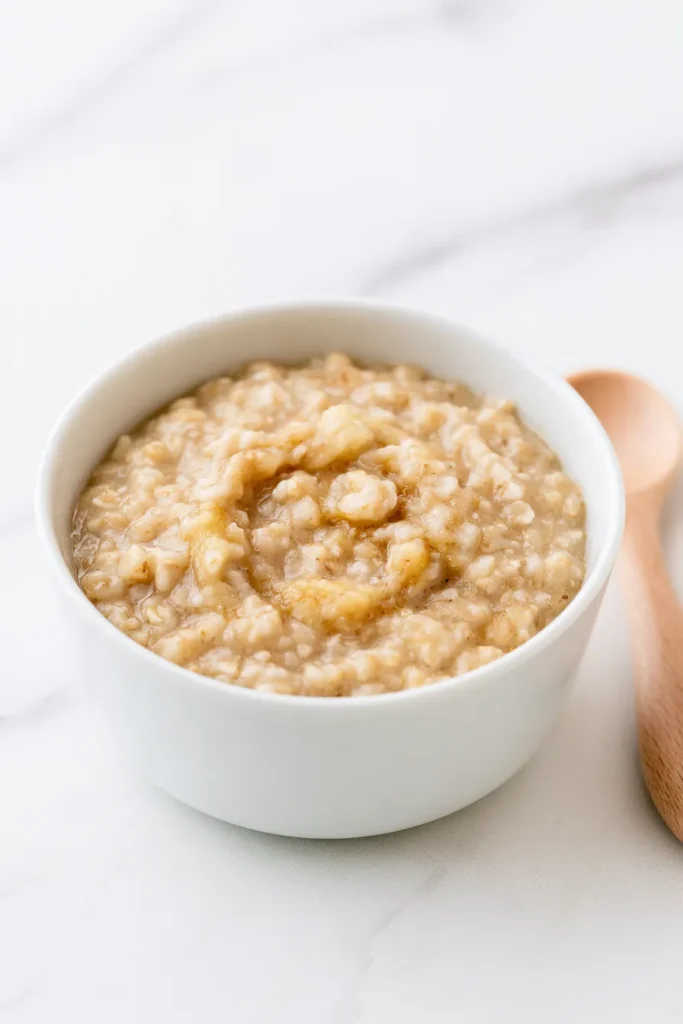
Grinding oats a little coarser gives older babies something closer to real oatmeal. Finer powder still works best for younger babies just starting solids. Around eight or nine months, most babies handle that chunkier version without much fuss.
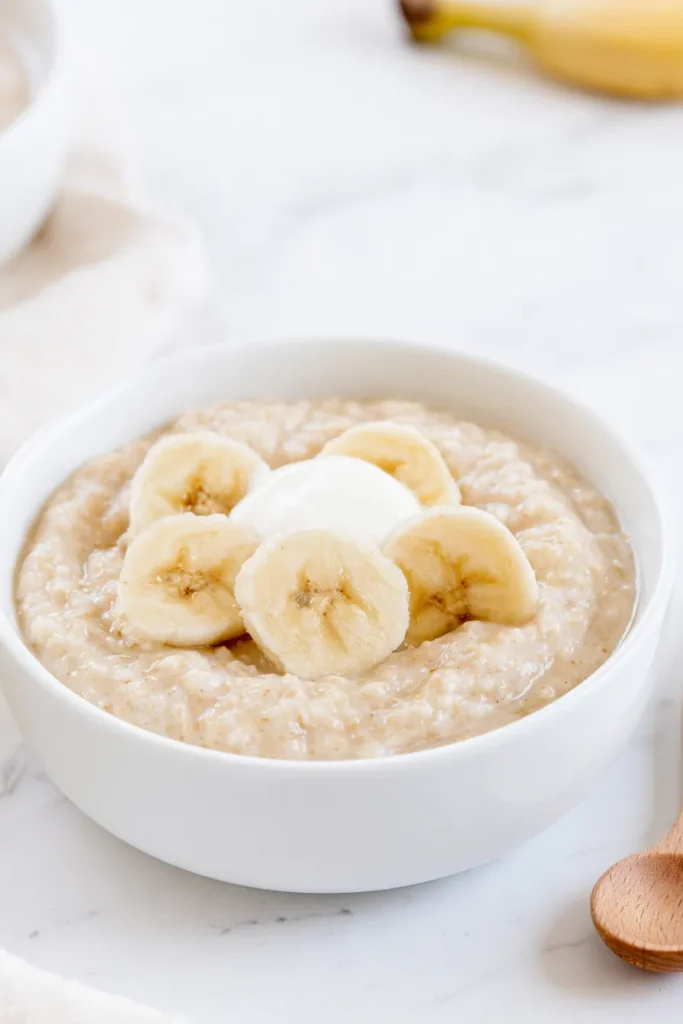
Adding mashed fruit after cooking changes flavor without touching the nutrition much at all. Banana blends in smoothly, while pears add a slightly grainy sweetness some babies seem to prefer. I’ve found that fruit works better stirred in after cooking, rather than during, since it keeps flavors distinct.
A splash of breastmilk or formula stirred in right before serving cools the mixture faster too. That trick has saved me more than once when a hungry baby wasn’t in the mood to wait. Warm, not hot, tends to be the sweet spot most babies respond to best.
This variation also freezes surprisingly well in small silicone trays. Portioned cubes thaw quickly overnight in the fridge, ready for a fast morning reheat. That one habit turned my weekly batch into something close to real meal prep.
Baby Cereal Muffins: A Fun Twist Worth Trying
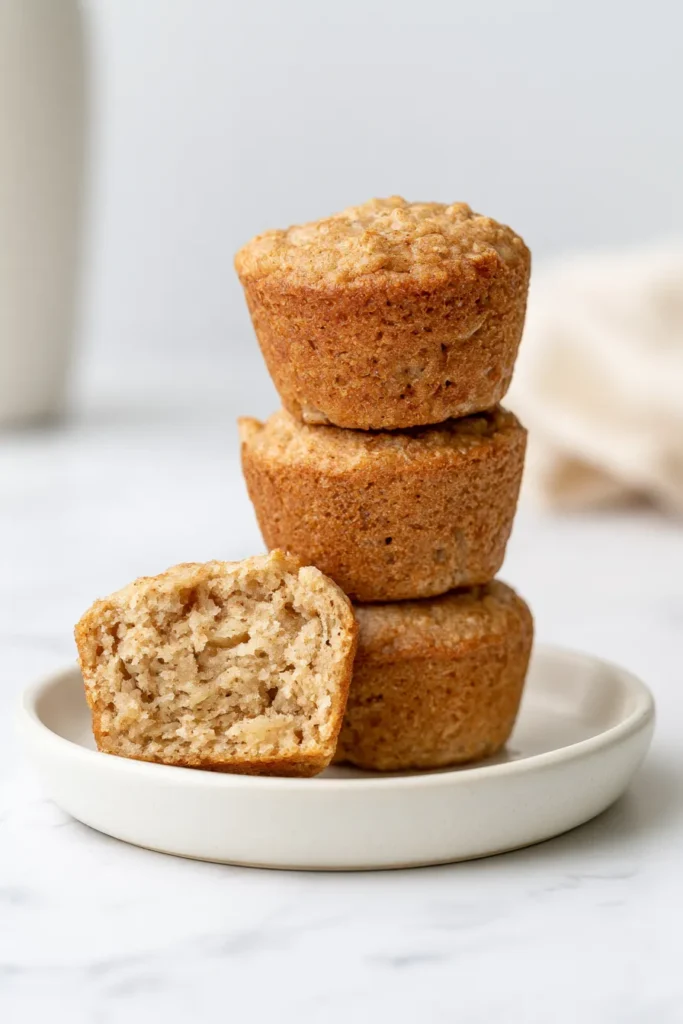
Once your baby handles finger foods, muffins are a fun way to reuse that same oat powder. They’re soft, mildly sweet, and easy to break into baby-sized pieces. This isn’t a strict recipe so much as a flexible formula worth playing with.
A basic starting formula:
- 1 cup ground oat powder
- 1 ripe mashed banana
- 1 egg
- 2 tablespoons plain yogurt or applesauce
- Optional pinch of cinnamon for babies past 8 months
Mix everything together until smooth, then spoon batter into a greased mini muffin tin. Bake at 350°F for roughly 12 to 15 minutes, until tops spring back when lightly pressed. Let muffins cool completely, since centers hold heat longer than they look like they would.
I like these because they travel well, unlike anything liquid or spoon-fed. Diaper bags, car rides, and grandparents’ houses all get easier once finger food enters the picture. Muffins also freeze beautifully, so a double batch stretches across two or three weeks.
Skip added sugar here, since ripe banana provides plenty of natural sweetness on its own. Older siblings tend to steal these off the counter too, which I consider a compliment (mostly). Few things beat a snack that works for the whole family at once.

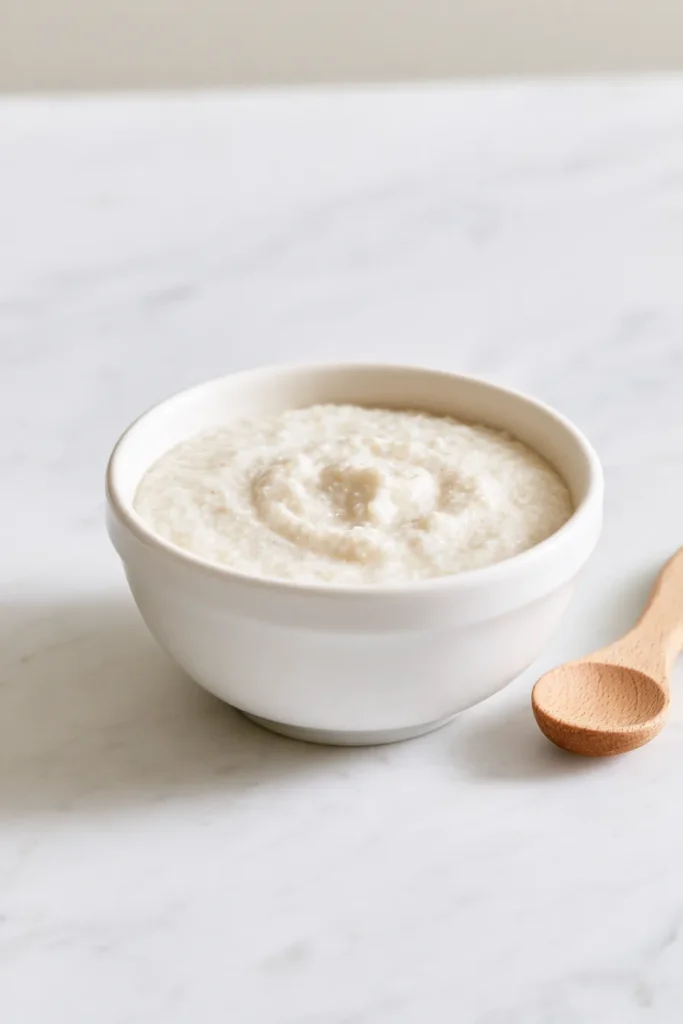
More Baby Cereal Recipes: Homemade Baby Rice Cereal
Rice cereal deserves its own spot here, since it’s often the first cereal parents reach for. The method mirrors the oat version almost exactly, just with a different grain. Here’s how I make it at home.
Ingredients:
- 1 cup white or brown rice, uncooked
- 1 tablespoon ground rice powder per serving
- 4 to 6 tablespoons breastmilk, formula, or water per serving
Steps:
- Add uncooked rice to a high-powered blender or food processor
- Blend on high for two to three minutes until finely powdered
- Store the rice powder in an airtight container
- Combine one tablespoon of powder with four to six tablespoons of liquid
- Cook over low heat for two to three minutes, stirring often
- Remove from heat once it thickens, then let it cool before serving
Brown rice takes a little longer to grind than white rice, so don’t rush that step. Worth knowing: several pediatricians suggest rotating rice cereal with oat or barley, since rice can carry trace arsenic. I don’t skip rice cereal entirely, but I don’t lean on it daily either.
Serve this one plain for a first try. Or stir in a little mashed fruit once your baby’s used to the texture. It thickens fast once it cools, so add extra liquid if it turns clumpy. This is one of the milder-tasting baby cereal recipes, which makes it an easy starting point.
Pair this rice cereal with a spoonful of pureed pear or applesauce for extra flavor. A little cinnamon works too, once your baby’s past eight months. I like keeping instructions simple, so babies can taste the grain itself first.
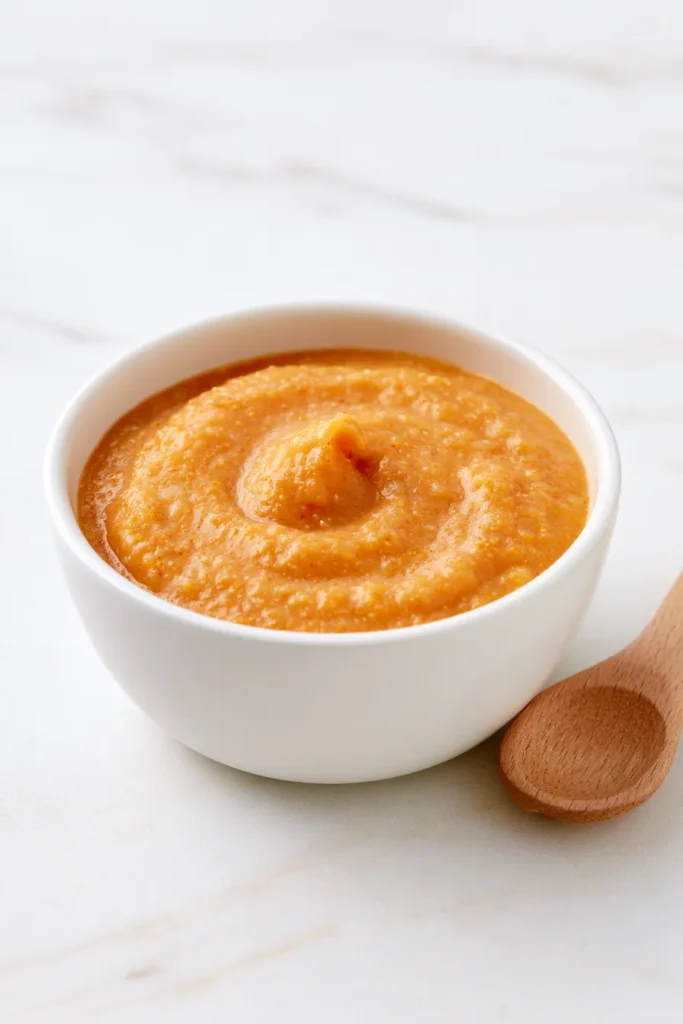
Sweet Potato Baby Cereal: A Veggie-Packed Recipe
Sweet potato turns plain oat cereal into something with more color and more nutrients. This one blends a cooked vegetable right into the base recipe from earlier. It’s become a regular in my rotation once purees entered the picture. This pairing also sneaks in extra vitamin A, which sweet potato delivers generously.
Ingredients:
- 1 small sweet potato, peeled and cubed
- 1/4 cup ground oat powder
- Water for steaming
- 2 to 4 tablespoons breastmilk, formula, or water to thin
Steps:
- Steam sweet potato cubes for 12 to 15 minutes, until fork-tender
- Mash or blend the sweet potato until smooth
- Cook oat powder with liquid using the base method above
- Stir the mashed sweet potato into the cooked oat cereal
- Add extra liquid until you reach the right consistency
- Cool slightly, then test the temperature before serving
Steaming keeps more nutrients intact than boiling does, at least based on what I’ve read. A blender gets the sweet potato smoother than mashing by hand ever does. Either method works fine, so pick whichever one saves you time.
This combination holds up well in the fridge for a couple of days. I make a double batch on Sundays, then portion it into small containers for the week. Sweet potato also freezes beautifully, right alongside the plain oat version.
Serve this one warm, maybe with a sprinkle of cinnamon if your baby’s ready for it. It pairs nicely with a few soft banana slices on the side. Out of all my baby cereal recipes, this is the one my pickiest eater finished without any fuss. No bribery required!
Storage, Serving Sizes, and Other Baby Cereal Recipes Tips
Storage questions come up constantly once people start making their own cereal. Dry oat powder stores best in an airtight container, away from heat and moisture. Cooked cereal, on the other hand, behaves more like any other homemade baby food.
A few storage guidelines worth keeping in mind:
- Dry oat powder keeps for up to 3 months in a sealed container
- Cooked cereal lasts 2 to 3 days in the refrigerator
- Frozen portions stay good for up to 1 month in an airtight container
- Always thaw frozen cereal in the fridge, not on the counter
Serving sizes shift quickly during those early months, so treat any number as a loose guideline. Two to four tablespoons is a common starting amount for a first meal. That amount typically grows as babies eat more and nurse slightly less.
I never reheat cereal more than once, mostly out of caution around food safety. Small batches solve that problem better than stretching one big batch across several days. Making smaller portions more often keeps everything fresher than freezing huge quantities upfront.
One tip worth repeating: always test temperature before serving, even after a quick reheat. Microwaves especially create hot spots that aren’t obvious from the outside. A quick stir and a wrist test go a long way toward a calmer mealtime. I always ask myself, “Is this cool enough yet?” before handing over the spoon.
These small habits are what really separate smooth mornings from chaotic ones in my kitchen. Getting the basics right matters more than chasing perfect baby cereal recipes with fancy add-ins. Simple wins here, every single time.
Healthy Baby Snacks to Pair With Homemade Cereal
Cereal rarely stands alone once babies start showing interest in more variety. Pairing it with simple, healthy snacks rounds out a meal without much extra prep. Most of these ideas use ingredients you probably already keep on hand.
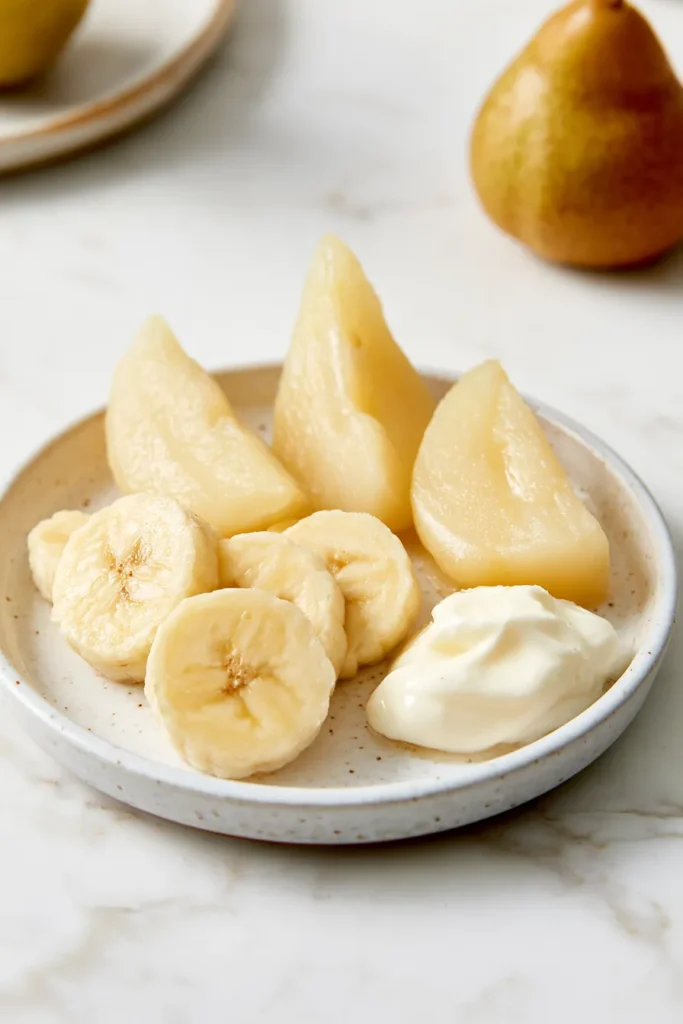
Soft fruit slices work well alongside cereal for babies ready for gentle finger foods. Ripe banana, steamed pear, and roasted sweet potato sticks are easy for small hands to manage. Cutting everything into manageable sizes matters more than which fruit you choose.
Plain yogurt makes a nice side option too, once dairy has been introduced without issues. A small dollop alongside warm cereal adds protein and a slightly different texture to explore. I’ve noticed babies enjoy dipping fingers into yogurt almost as much as eating it directly.
Steamed vegetables cut into soft strips round things out nicely for slightly older babies. Carrots, zucchini, and green beans all soften quickly and hold their shape well. Keeping two or three vegetables in rotation keeps mealtime from getting repetitive too fast.
None of this needs to be fancy or picture-perfect to count as a win. Simple, soft, and safely sized beats elaborate every single time at this age. A good pairing turns one bowl of cereal into a full, balanced little meal.

FAQs
How early can I start making homemade baby cereal? Most guides point to around 6 months, though your pediatrician’s advice always comes first. Readiness cues, like sitting up and steady head control, matter more than the date on a calendar.
Which grain works best for a first cereal? Oats tend to be gentler on new digestive systems than rice, based on several pediatric feeding guides. Starting with a single grain also makes it easier to spot a reaction early.
Can I make a big batch of oat powder ahead of time? Yes, and it’s genuinely one of the easiest ways to save time during busy weeks. Store dry powder in an airtight container for up to three months without any issue.
Is it safe to freeze homemade baby cereal? Cooked cereal freezes well in small silicone trays for up to a month. Thaw portions in the refrigerator rather than on the counter for the safest results.
Do I need to add sugar or salt for flavor? No, and I’d skip both entirely for babies under one year old. Mashed fruit adds plenty of natural sweetness without any added ingredients at all.
How do I know if my baby is ready for baby cereal recipes with more texture? Watch for chewing motions, more teeth, and general interest in thicker food. Most babies show these signs somewhere between eight and ten months old.
The Bowl That Started It All
Making baby cereal recipes at home turned into one of my favorite small routines this year. It didn’t happen overnight, though. The whole thing began as one tired parent trying to skip another overpriced grocery run.
Somewhere between the grinding, the taste-testing, and the inevitable mess, it stopped seeming like extra work. Living in Orlando means summer never really ends, and small kitchen wins land harder because of it. There’s something grounding about a five-minute recipe that beats a box costing three times as much.
Once I found a rhythm, the whole process turned from chore into routine. If you’ve eyed the cereal aisle with real skepticism, take this as your nudge to skip it. Grab some oats, a blender, and give one batch a real try before deciding it’s not worth it! I’ve already pinned my favorite version to Pinterest, mostly so I never lose track of the ratios again.
Some kitchen wins are loud, and some just quietly save you money every single week. This one’s the second kind, and I’ll take it every time.