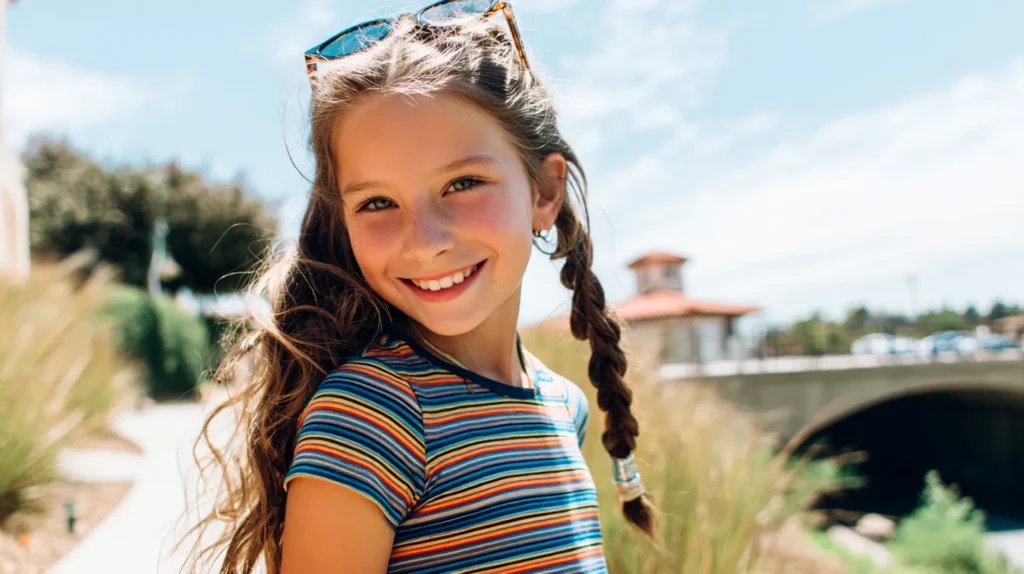
I used to think clothes were just clothes, until tweens entered the chat. Suddenly, tween outfits become a full personality quiz before breakfast. A plain tee has vibes, and socks have opinions. I’ve found that mornings can swing from calm to chaotic in ten seconds.
Living in Orlando makes it extra spicy, because the weather can’t commit. Humidity shows up like an uninvited guest, and then a random breeze acts innocent. So I’m holding shorts in one hand and a hoodie in the other. Meanwhile, your kid wants to look cool, stay comfy, and not match on purpose.
You want them dressed, on time, and not crying over a hemline. That’s not a wild dream. Still, this tween stage sits in the messy middle, and the rules change daily. One day they want sporty, the next they want soft and clean.
Also, why do the cutest options come with tiny straps and weird cutouts? I’m not here to talk like a fashion teacher with a clipboard. I’m here like a friend with coffee, whispering, “Okay, let’s talk,” as a backpack zipper panics.
We can keep it simple, keep it affordable, and still keep the peace. But there’s one sneaky thing that changes everything, and most people miss it. Once you spot it, mornings get lighter, and shopping gets less dramatic. I’ll get to it, because it sounds too simple, and that’s why it works.
Just know this: the goal isn’t perfect style. The goal is a closet that behaves on a Tuesday. And there’s a tiny shift that makes that happen faster than you’d expect.
Some of the links on this page are affiliate links. That means if you click and make a purchase, I may earn a small commission at no extra cost to you. If you’re curious about the fine print, you can check out my full disclosure.
Tween Outfits Start With One Quiet Rule
I tend to notice tweens don’t chase trends first. They chase identity first, and then the trend shows up later. That’s why one kid lives in sporty everything, while another wants soft and clean. You can’t argue a kid into liking a vibe, because vibes don’t negotiate.
However, you can build tween outfits that support their vibe without draining your wallet. The fastest way I’ve found is starting at the bottom, with shoes. Shoes decide the whole story, and tweens know it in their bones. Sneakers say I’m busy, slides say I’m chill, and boots say don’t talk to me.
Once shoes exist, the rest gets easier, because the outfit already has a lane. If the shoes clash, the whole thing looks wrong. Even if it’s fine. So I keep three lanes and stop there. Endless choices create endless arguing.
Here’s what those lanes look like in real life:
- One everyday sneaker that handles school days
- One cute pair for photos, parties, and dressier days
- One comfort pair for sports, parks, and chaos
Then I stack basics that work with all three lanes. I grab tees that layer, bottoms that move, and one jacket that saves the day. More shoe options don’t create freedom. They create debate club at 7:40 a.m.
Also, a hero shoe matters more than ten random pairs. I’ve found kids will reject five outfits, then agree after swapping shoes. That tiny win adds up all week. Suddenly, your tween outfits don’t start with conflict. They start with momentum.
The Closet Isn’t Full, It’s Loud
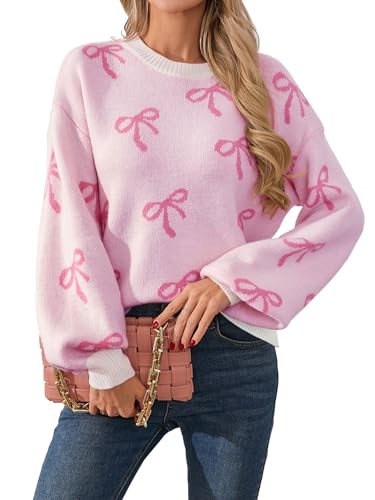
If your tween says they have nothing to wear, I believe them. Not because the closet is empty, but because the closet is loud. Too many pieces demand one special partner, so everything turns into a puzzle.
I’ve found tween outfits fall apart when every item needs the right thing. That’s when you get the stare-down, like the closet personally betrayed them. Meanwhile, you’re thinking, there are literally pants right there. Then they try on three things and sigh like a tiny lawyer.
Here’s what surprised me. More clothes doesn’t mean more options. Extra clothes often means more decision fatigue, and tweens hate that. So I aim for a closet that acts like a playlist. You want songs that mix, not twenty weird tracks you always skip.
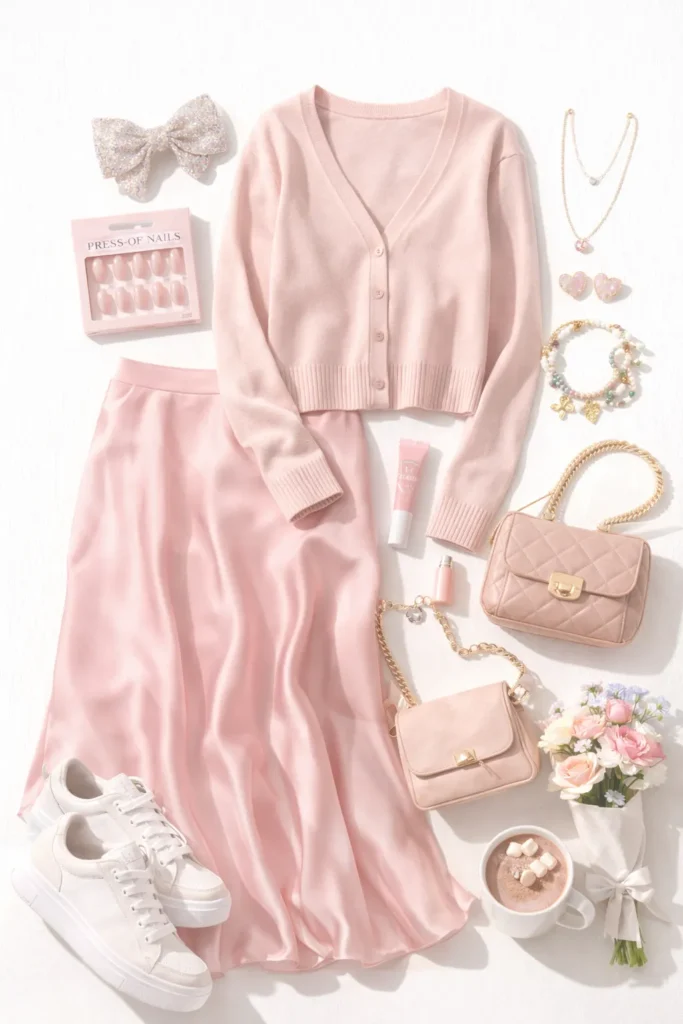
I keep three anchor bottoms ready, and I don’t overthink it. Jeans count, joggers count, and one easy skirt or shorts option counts. Then I keep tops in two buckets, simple and statement. Simple carries the week, because it doesn’t ask for attention. Statement saves the day when your kid wants different, but still safe.
When I’m unsure, I ask one question. What would you wear this with? If they can’t answer, it becomes clutter. It’s not bad. It’s just noisy. Once the noise drops, outfits for tweens start building themselves, and the floor stays cleaner too.
Also, I don’t chase a perfect closet. I chase a closet that behaves on a Tuesday. That mindset change helps, because you stop shopping for fantasy moments. Then you shop for school mornings, weekend errands, and field trips. Those are the real runways.
And yes, your tween might still say nothing works. Still, the whining drops, because choices look obvious. That’s the whole point.

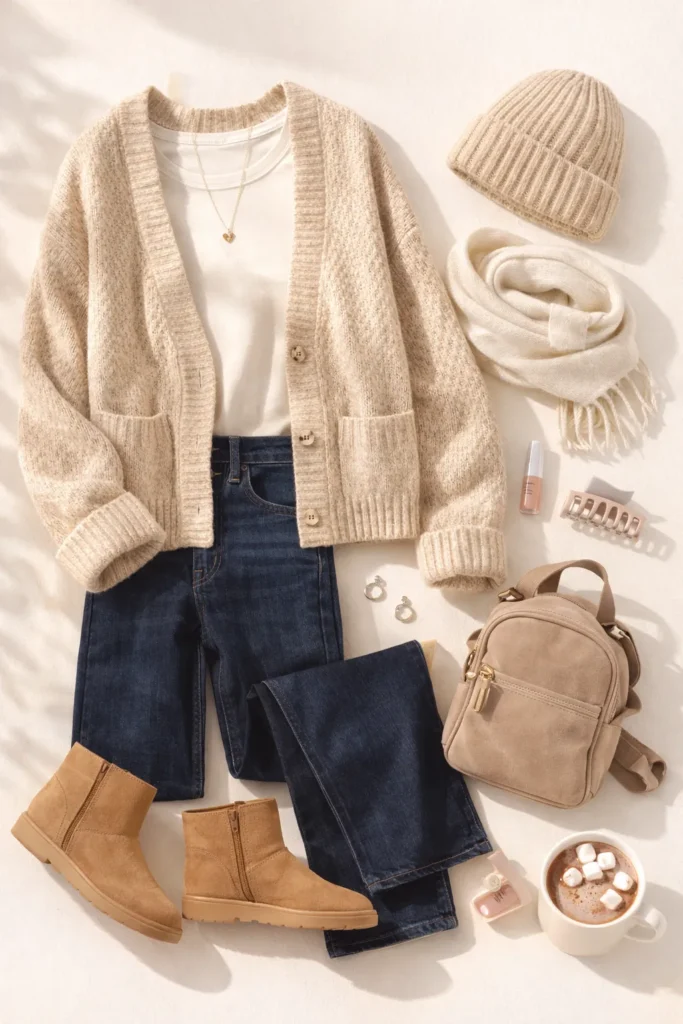
Tween Outfits That Look Put Together, Fast
Some mornings don’t allow creativity. You’ve got five minutes, one hairbrush, and an emotional support granola bar. So I lean on quick formulas that work even when everyone acts dramatic.
I’ve found tween outfits look polished when they include one intentional thing. That thing can be a layer, a color pop, or a clean silhouette. Without it, everything reads as pajamas, even when it isn’t.
These are my go-to combos, because they don’t require deep thought:
- Graphic tee + open button-down + leggings or jeans
- Hoodie + tennis skirt + sneakers
- Ribbed tank + cardigan + wide-leg pants
- Matching set + denim jacket
- Simple tee + cargo pants + fun socks
- Long sleeve tee + puffer vest + straight jeans
Notice what’s missing. There’s no fussy stuff, and there’s no this only works once piece. Each formula also allows one personal twist, like a bag, hat, or scrunchie situation.
I also like the rule of three for styling. Top, bottom, and one extra thing. The extra thing can be a layer, jewelry, or a belt bag. However, I keep it practical. If it breaks school rules or gets lost, it’s not worth it.
Here’s the slow-burn payoff. When you repeat formulas, your tween stops panicking. They start trusting the closet, and mornings get quieter. Then you can spend energy on bigger things, like getting out the door.
One more thing makes a difference fast. Add a layer, even if it stays open. A denim shirt, light cardigan, or vest creates shape. Then outfits for tweens look intentional, even on rushed days. It’s a small move, yet it changes the whole vibe.

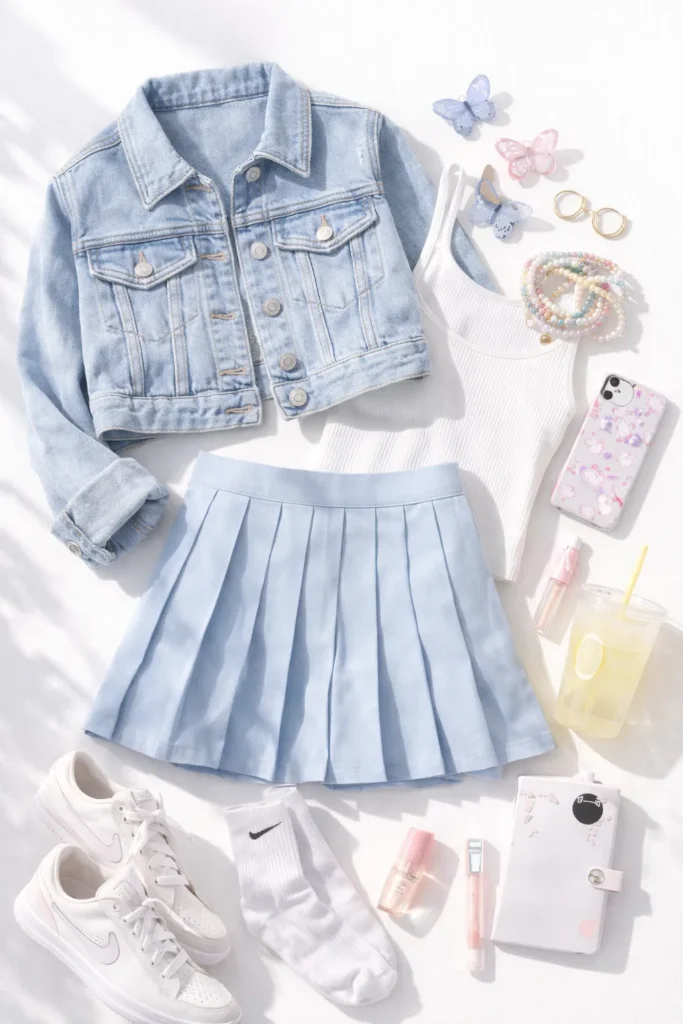
The Not Too Grown Sweet Spot
This stage has its own awkward tension. Tweens want independence, but they still need guardrails. Clothes can become the battleground, especially around straps, hemlines, and weird cutouts that make no sense for school.
So I use a simple filter when I’m shopping. Would this still look cute with a jacket? If the answer is yes, it usually lands in the sweet spot. If the answer is no, it might lean too grown too fast.
That doesn’t make your tween bad. It means they’re experimenting, which is the whole job right now. Modest doesn’t have to mean boring either. It can mean better shape, smarter layers, and less stress on busy days.
I like pieces that look current without screaming for attention. Wide-leg jeans work, oversized tees work, and clean sneakers work too. Then I make boundaries sound like choices, not punishments. I’ll say, pick the top you want. Next I’ll say, pair it with these bottoms.
Sometimes I say, wear that skirt. Then I say, add this hoodie. Suddenly, it’s not a no. It’s a yes with a tweak. That shift lowers the temperature fast.
Dress codes add their own drama, so I plan for them. I choose shorts with real inseams and tops that stay put. If you act shocked, they double down. When you act chill, they move on, and that calm spreads.
Also, I run the sit, bend, and backpack test. If it rides up, pinches, or slides, the day turns annoying fast. You know that tugging-and-fidgeting thing. It ruins confidence in ten minutes.
So I aim for freedom inside a simple frame. That’s when your kid looks cool and stays comfortable. Everybody wins.

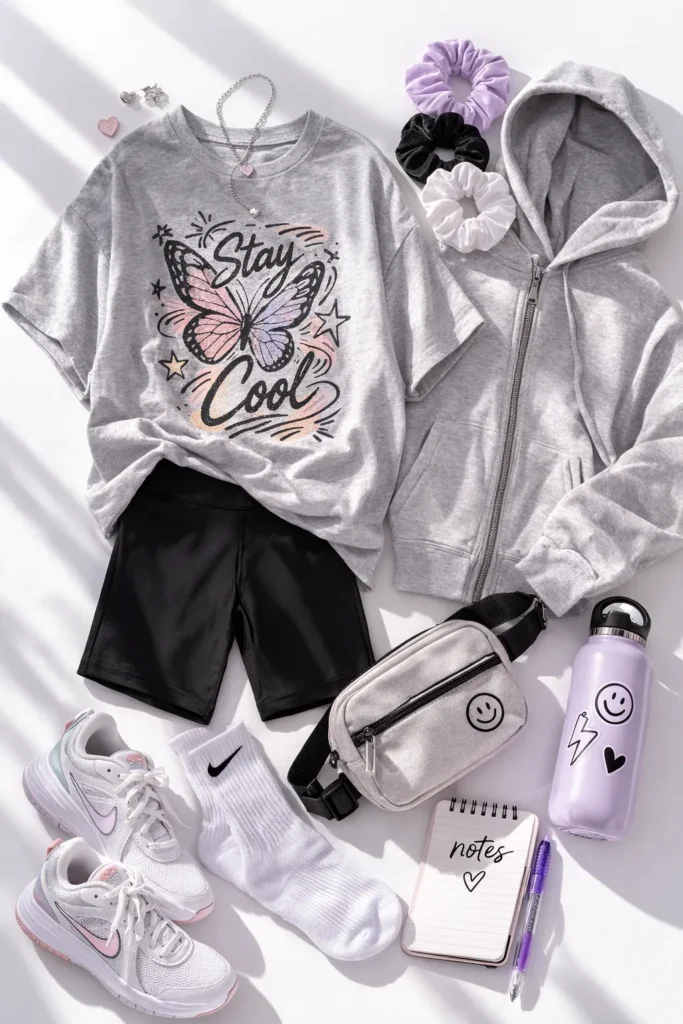
The Myth Of The Perfect Brand
I’m going to say something mildly spicy. Brands don’t raise confident kids. Comfort, fit, and consistency do. If a waistband rolls, your tween will hate it forever. When a shirt twists weird, it becomes itchy, even if it isn’t.
So I focus on repeatable pieces, not labels. When a basic fits right, it becomes a favorite fast. These details matter more than any logo:
- Waistbands that stay flat and don’t pinch
- Tees that don’t cling or go sheer
- Hoodies that keep their shape after washing
- Leggings that pass the squat test
- Shorts that don’t ride up all day
- Denim that bends without complaining
Then I let the brand happen naturally. If a name brand fits great, cool. When a store brand fits great, even cooler. Tweens don’t want a logo as much as they want to look like themselves, but upgraded.
Sizing changes fast at this age, which is rude. So I buy pieces that forgive growth, like stretchy waists and relaxed fits. Then I save the perfect fit money for shoes. Secondhand finds help too, because trends rotate quickly.
Here’s the part people miss. When the basics fit well, one trendy piece looks ten times better. That’s how outfits for tweens look intentional without chasing every new drop.
Laundry matters more than anyone admits. If a piece needs special care, it won’t survive this phase. I choose things I can wash on repeat without babying them. That keeps mornings simple and keeps my budget calmer.
Also, I’d rather buy one solid hoodie than three trendy tops that itch. That choice sounds boring, but it saves real arguments. Then your tween outfits start looking better, because the clothes stop distracting them.
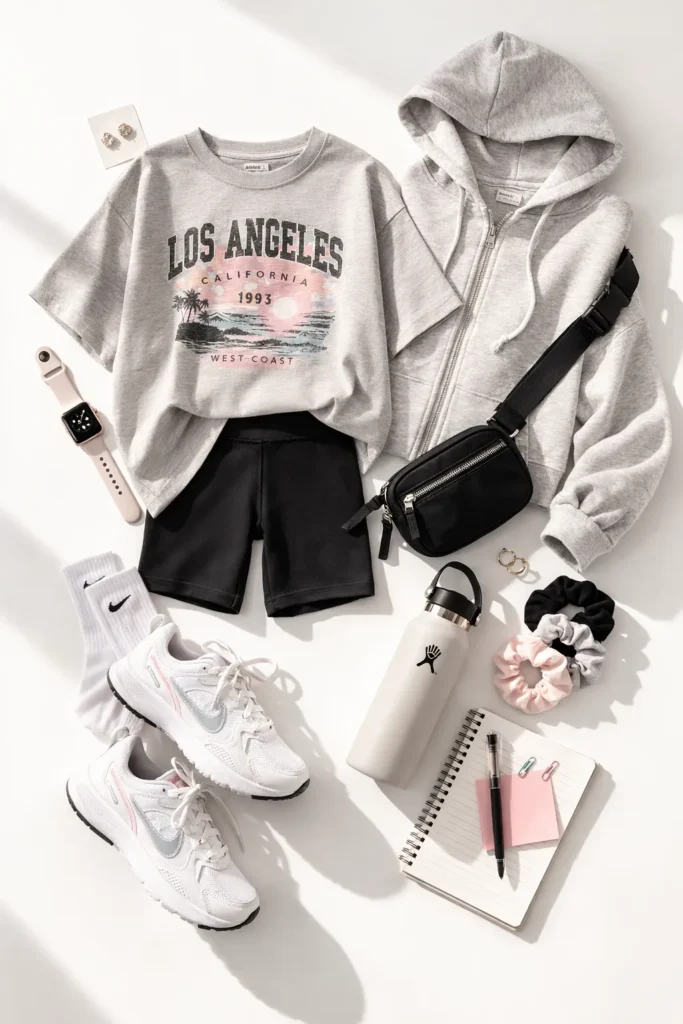
Tween Outfits And The Color Drama
Color sounds simple until it isn’t. One tween wants all black, another wants all pastel, and both act personally offended. I’ve found tween outfits get easier when the closet has a clear home base.
Home base means most items match without effort, even on rushed mornings. So I pick one neutral that shows up everywhere, like black, denim, gray, cream, or olive. Then I choose two accents that show up in smaller ways, like tees, socks, and hair stuff.
Now the closet stops arguing with itself. Better yet, your tween can still play, because the accents keep it fun. Limits don’t kill style, they sharpen it. When everything goes with everything, your kid stops spiraling.
Patterns behave better when they stay inside the palette too. Stripes, checks, and tiny florals can work, if the colors agree. Then your tween can mix without looking like a craft bin exploded.
If your tween says, I don’t do color, I start tiny. I’ll suggest one accent in socks, or one graphic tee with that accent in it. Then I keep the praise simple. I say, that looks clean, and I keep moving.
Over-selling it makes them suspicious, like I’m running a scam. However, acting normal helps them relax. And when they relax, outfits for tweens get way easier. Confidence looks good in every shade. That’s my hill today.
One quick trick helps on the toughest days. Choose a default combo, like black top with denim, or gray top with black bottoms. Then your tween can switch the accent and still look pulled together. It’s boring on paper, yet it’s peaceful in practice.
And yes, they’ll still have opinions. Still, the opinions stay inside the palette, so the outfit doesn’t collapse.
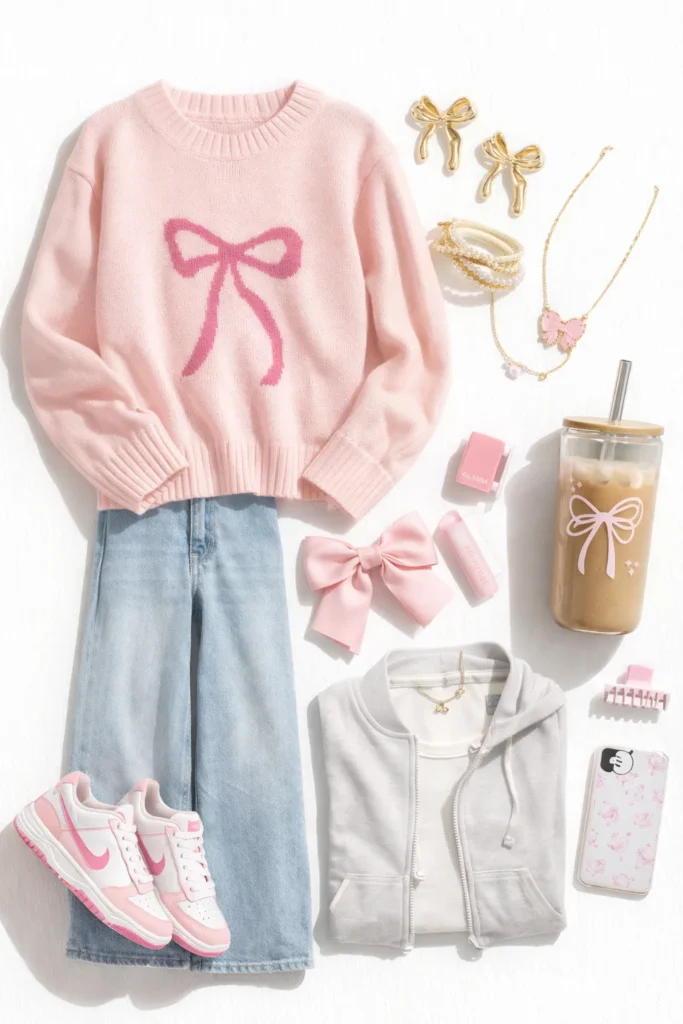
When Real Life Hits The Outfit
Let’s talk about the enemy: real life. It includes cafeteria spills, sweaty PE days, and sitting on mysterious gym floors. So I build outfits that can take a hit and still recover.
I tend to notice the best pieces have two traits. They stretch, and they hide mess. That means darker washes, thicker knits, and fabrics that don’t show every drop. It also means I avoid anything that wrinkles if you breathe near it.
I keep a small just in case kit, because life loves plot twists:
- A spare hoodie that lives in the car
- Neutral leggings for emergency swaps
- A clean tee folded in the backpack
- Hair ties and a mini brush
- Socks, because socks vanish like tiny ghosts
Yes, this sounds extra. However, it saves you from the I can’t wear this meltdown at 7:58. Laundry matters here too. If a piece needs special care, it won’t survive this phase. I choose things I can wash on repeat without babying them.
Then I keep a short rotation of safe looks ready. Those are the outfits they wear when they can’t decide. Decision stress drops, and the day starts smoother. Prepared doesn’t mean controlling. It means fewer surprises, and tweens love fewer surprises.
Also, I check pockets and seams like I’m investigating a crime. A bad seam can ruin the whole day. Comfort is not a bonus at this age. Comfort is the foundation.
So I don’t chase delicate. I chase durable, soft, and washable. That’s how outfits for tweens survive real life.
The Shopping Trick That Makes Tween Outfits Easier
If I shop while tired, I buy weird stuff. I’ve done it, and I refuse to be judged. So I use one trick before I buy anything. I open the closet and take three photos, tops, bottoms, and shoes.
Then I shop with those photos like a detective. If a new item doesn’t match at least three things, it stays online. That rule sounds strict, but it saves money fast. It also stops the but it was on sale regret spiral.
I like letting the cart sit for a day too. If I still like it tomorrow, it’s probably a real yes. Usually, I forget it exists, because it was never that cute.
If I shop with my tween, I set a time limit. Ten minutes, one store, and we leave on a high note. That keeps it fun instead of turning into a marathon complaint session.
A big haul doesn’t create a better wardrobe. A better plan creates a better wardrobe. And here’s the payoff. When you shop this way, your tween wears new pieces more. They don’t disappear in the back, because they already have partners.
One last filter is petty, but effective. I ask, will this annoy them? Scratchy tags, stiff seams, and twisting waistbands count. Tweens will quit an outfit over one itchy thread, and I respect that certainty. Then tween outfits get easier, and my wallet stays calmer.
So I chase comfort first, then style. After that, I allow one fun piece, because joy matters too. When the cart shrinks, I get smug in the best way. Outfits for tweens become simpler, and the house gets quieter. That’s a bargain I’ll take.

The Kind Of Outfit Peace That Actually Lasts
I’ve found style talks go sideways fast, so I keep them light. Instead of asking what they want, I ask what they hate. The answer shows up instantly, which is honestly impressive. Then I build from there, because dislike is weirdly useful.
When I think about tween outfits now, I don’t chase perfect. I chase calmer mornings and confident kids. Living in Orlando pushes me toward breathable layers, because heat loves drama. Surprise rain loves it too, and my hair always loses.
So I aim for basics that fit, a palette that behaves, and one fun detail. Then I step back and let them decide the rest. Sometimes they choose the hoodie again, even on a warm day. I let it go, because comfort counts, and battles add up.
I also keep compliments simple. I’ll say, that looks good, and then I stop talking. Over-selling it makes them suspicious, like I’m running a scam. Meanwhile, Pinterest will happily reward a clean outfit moment, but real life needs clothes that survive Tuesday.
If your tween changes their mind daily, you’re not failing. Their style is growing in real time, and it’s supposed to look a little messy. Keep the closet quiet, keep the choices clear, and keep your calm where they can borrow it. That’s the kind of confidence that sticks.
And if you only remember one thing, let it be this. When they leave the house happy, the outfit did its job. Everything else is just background noise.