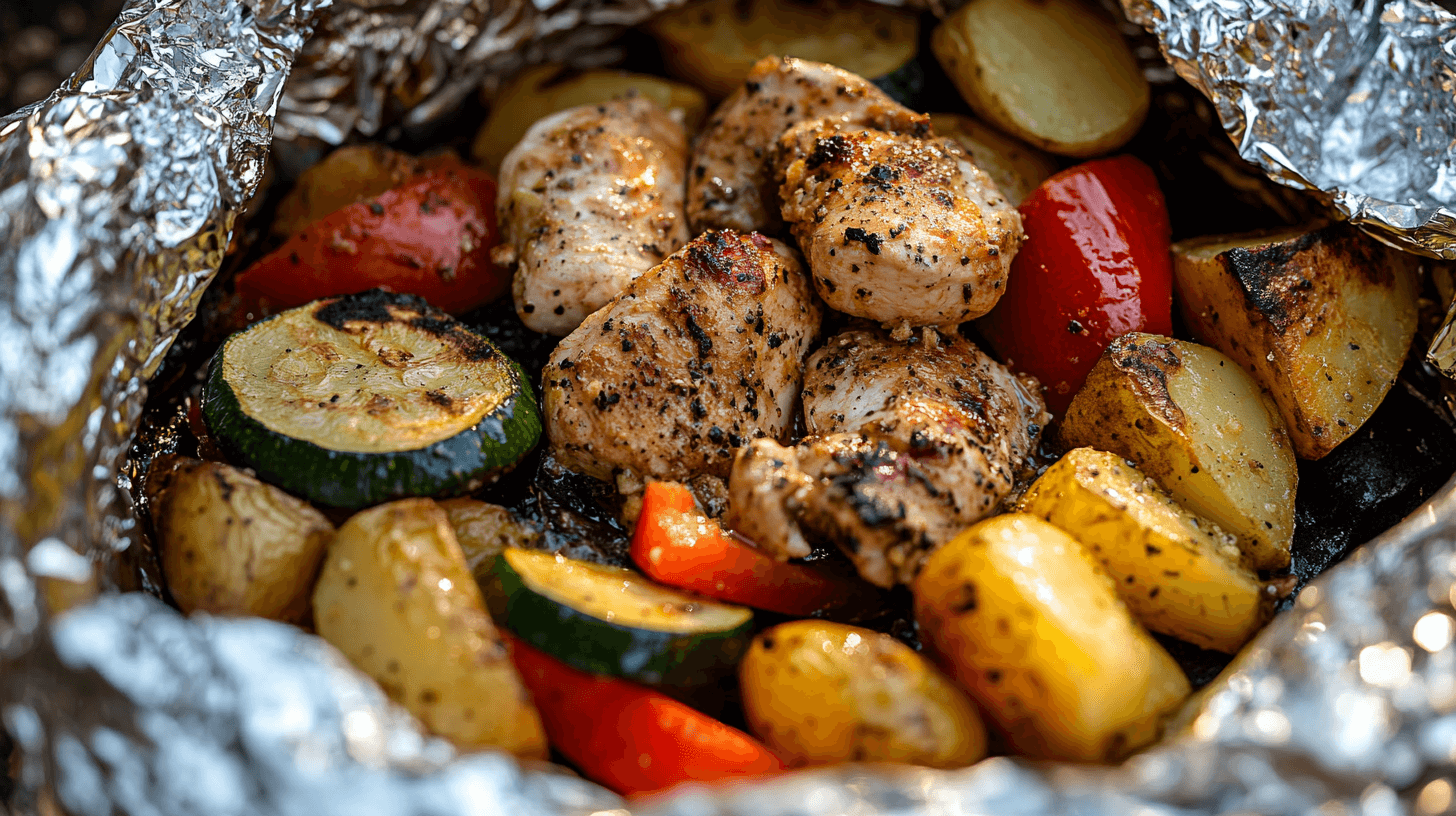
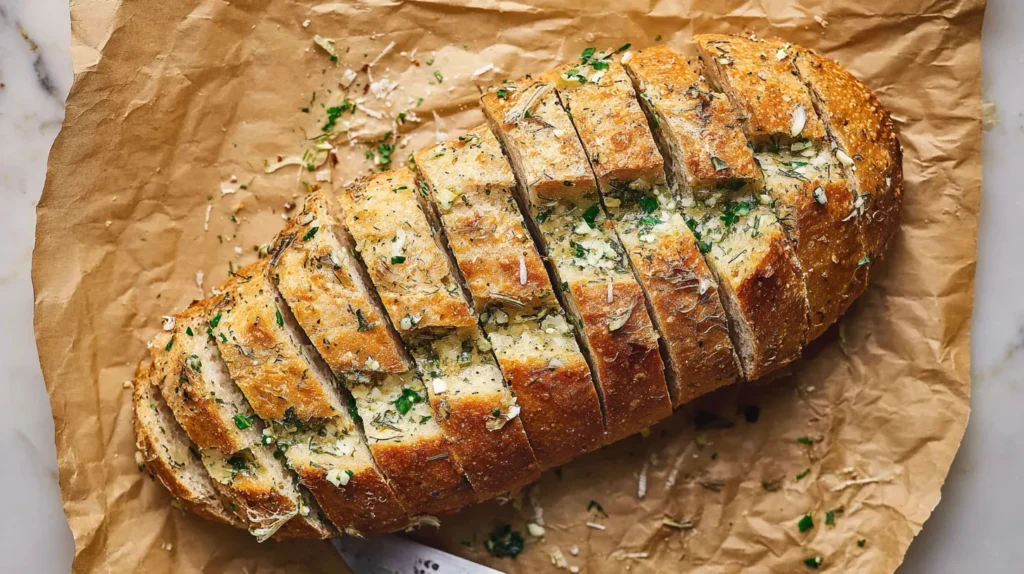
I always swear I want dinner to be simple, and then sourdough garlic bread shows up. It turns an ordinary meal into a small event. Suddenly, everyone just wants a bite, and nobody remembers manners.
I’ve found that garlicky bread creates this sneaky effect. It makes the house smell like I tried harder than I did. Plus, it makes the main dish look smarter by association, which I respect.
Living in Orlando, I can grab a great sourdough loaf without a whole quest. Even so, I still get picky about results. I want a crust that cracks, but I also want a center that stays tender.
Also, let’s be real about the bread situation. Sometimes you bake your own loaf, and sometimes the bakery does it better. Either way, the garlic part levels the playing field.
The funny part is how emotional bread can get. One slice can taste bland, or it can taste like the best bite. That swing usually comes down to one decision most people skip.
So here’s what we’re doing today. We’re making a loaf that tastes bold, slices clean, and pulls people back for seconds. And somewhere in the middle, we’re settling the real debate.
Do you chase crunchy edges, or that soft, buttery middle that collapses a little?
I’ll spill the trick, but not yet. Keep scrolling, because the payoff sits right after the butter talk. Trust me, this tiny detail changes everything.
Some of the links on this page are affiliate links. That means if you click and make a purchase, I may earn a small commission at no extra cost to you. If you’re curious about the fine print, you can check out my full disclosure.
The Loaf Choice That Makes Or Breaks Everything
Let’s start with the bread, because it’s doing a lot of work. I tend to notice people blame garlic when the loaf was the real problem. A flimsy loaf soaks up butter and turns gloomy fast. That sturdier loaf holds up and stays proud.
I like a round boule or an oval batard with a thick crust. Honestly, I prefer a loaf that cooled completely. Warm bread sounds romantic, yet it slices like a tantrum. Day-old bread plays nicer, and it toasts up better.
If you bake sourdough at home, use a fully baked loaf. When you buy one, choose a loaf that feels heavy. That weight usually means good structure inside. Avoid super airy loaves with giant holes, unless you love drips.
Now, here’s the sneaky choice I teased earlier. You decide whether you want garlic inside the cuts, or mostly on top. Most people smear butter on the surface and call it done. That gives you flavor on the first bite, then plain bread underneath.
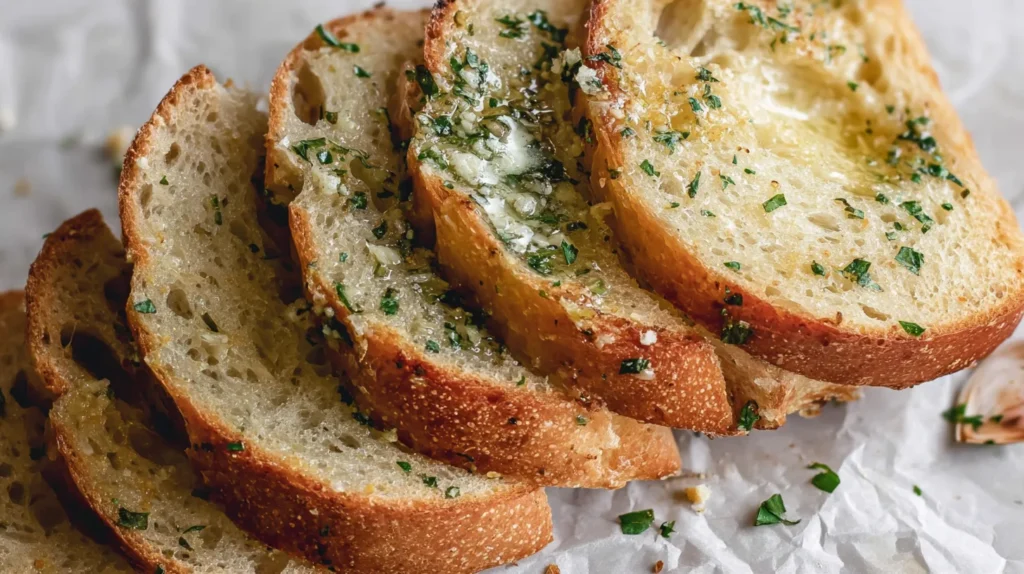
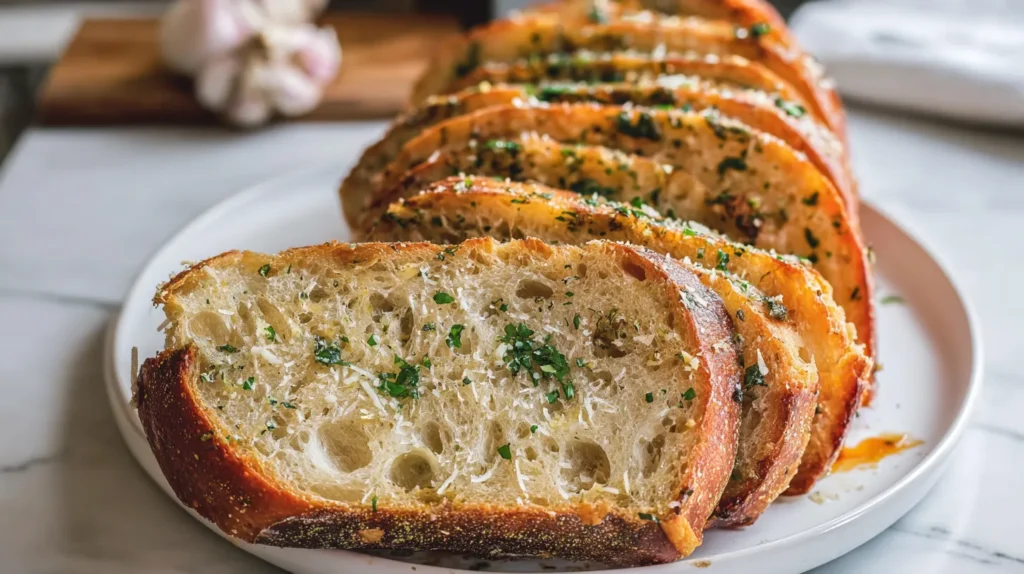
For sourdough garlic bread, I cut deeper than people expect. I let the butter slide into the pockets, not just the crust. That way every bite tastes bold, not only the edges. Also, pick your serving vibe now, because it changes the cut. Neat slices act polite, while wide cuts act chaotic.
Check the crust before you commit. A very hard crust can shred soft butter and ruin your mood. Let the loaf sit bagged for an hour, and it softens slightly.
Then taste the loaf plain, just a nibble. If it runs salty, use less salted butter later. When it tastes bland, add a pinch of flaky salt.
Sourdough Garlic Bread Ingredients That Matter
I’m going to be mildly bossy about the butter. Use real butter, not a spread. Spreads melt weird and taste flat. Butter gives you that rich, clean finish.
I also keep garlic simple. Fresh minced garlic tastes sharp and loud. Roasted garlic tastes deep and mellow. I like a mix when I want big flavor.
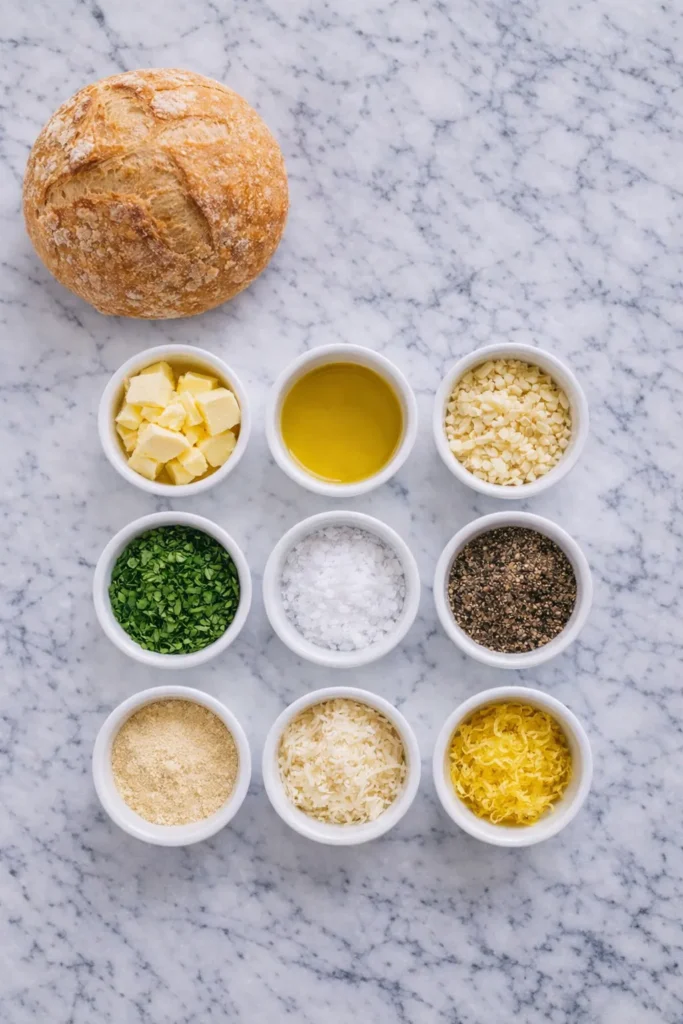
Here’s what I use for one large loaf, about 1 to 1.5 pounds. This batch covers deep cuts without running out. It also scales easily when you feed a crowd.
- 1 large sourdough loaf, boule or batard
- 8 tablespoons unsalted butter, softened
- 2 tablespoons olive oil
- 4 large garlic cloves, finely minced
- 1 tablespoon chopped parsley
- 1 teaspoon flaky salt, plus more to taste
- 1/2 teaspoon black pepper
- 1/2 teaspoon garlic powder, optional but helpful
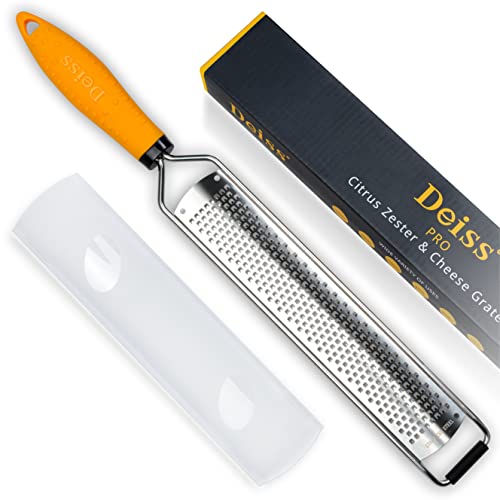
- 1/4 cup grated Parmesan, optional for a salty edge
- 1 tablespoon lemon zest, optional for brightness
Now, about cheese. Parmesan adds punch, yet it also browns fast. If you love a crunchy top, add it. Otherwise, skip it for softer bread.
Also, pick your garlic intensity. Use 3 cloves for gentle. Go with 6 cloves for back away from me energy. I’ve found that people overestimate their garlic bravery.
Finally, don’t ignore herbs. Parsley keeps things fresh, even in a buttery situation. Basil tastes sweeter, while rosemary tastes bold. Keep it simple, because sourdough garlic bread flavor already runs strong.
One last note about salt. If you use salted butter, cut the flaky salt in half. Garlic without enough salt tastes like a missed opportunity.
Olive oil sounds optional, yet it helps the butter spread smoothly. It also keeps the edges from drying out. Aim for butter that dents easily, not melted puddles.
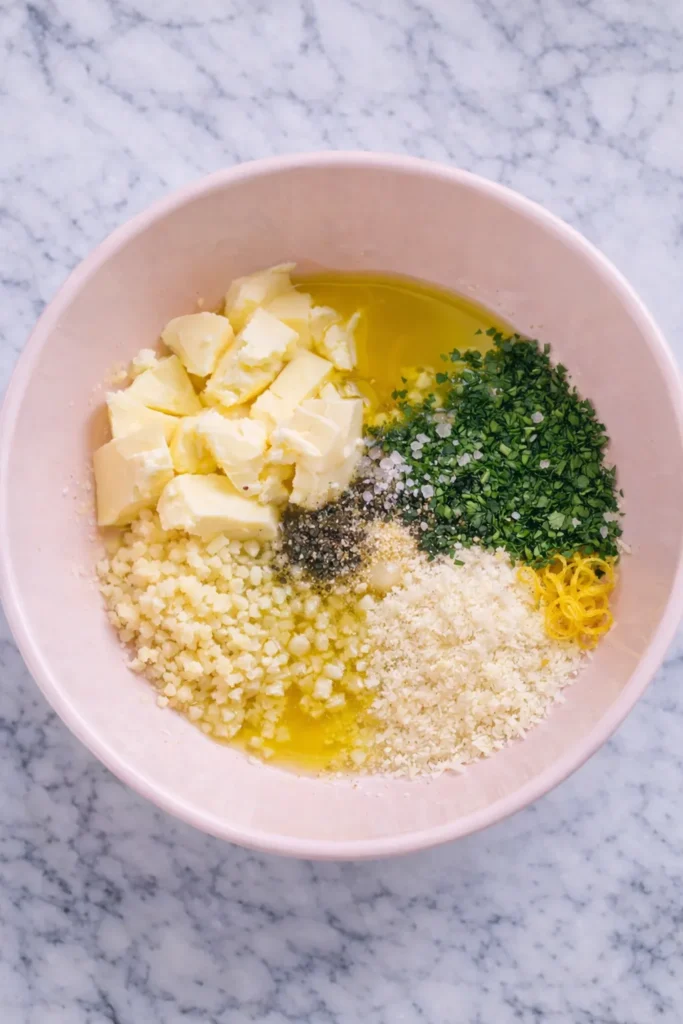
The Garlic Butter Mix That Stops Bland Bread
Let’s talk butter, because this is where people get lazy. They mash garlic into butter and stop there. Then they wonder why the bread tastes uneven. Garlic needs time with fat, even a short time.
I mix the butter first, then I let it sit. Ten minutes on the counter helps. The garlic softens slightly, and the herbs wake up. It’s not fussy, yet it changes everything.
Here’s my quick method. I mash softened butter with olive oil until it looks glossy. Then I stir in garlic, parsley, salt, pepper, and garlic powder. If I add Parmesan, I fold it in last. Cheese can clump, so I go gentle.
Now for the opinionated part. Lemon zest sounds odd on bread, but it works. It doesn’t make the bread taste like lemon. Instead, it cuts the heaviness and keeps you reaching back in.
If you want a calmer garlic flavor, roast a whole head first. You squeeze the cloves out like paste. Roasted garlic tastes sweet and deep, not sharp. That swap gives you balance without losing punch.
I’ve found that this is also the best place for heat. A pinch of red pepper flakes adds a little bite. Smoked paprika adds warmth without spice. Keep it subtle, because the goal stays buttery and garlicky.
Also, keep the butter thick. Melted butter runs right out of the cuts. Thick butter stays where you put it, and it bakes evenly. That’s the difference between a loud bite and a boring one.
Sourdough garlic bread lives or dies right here, which sounds dramatic. Yet it’s true. You’ll notice it every time.
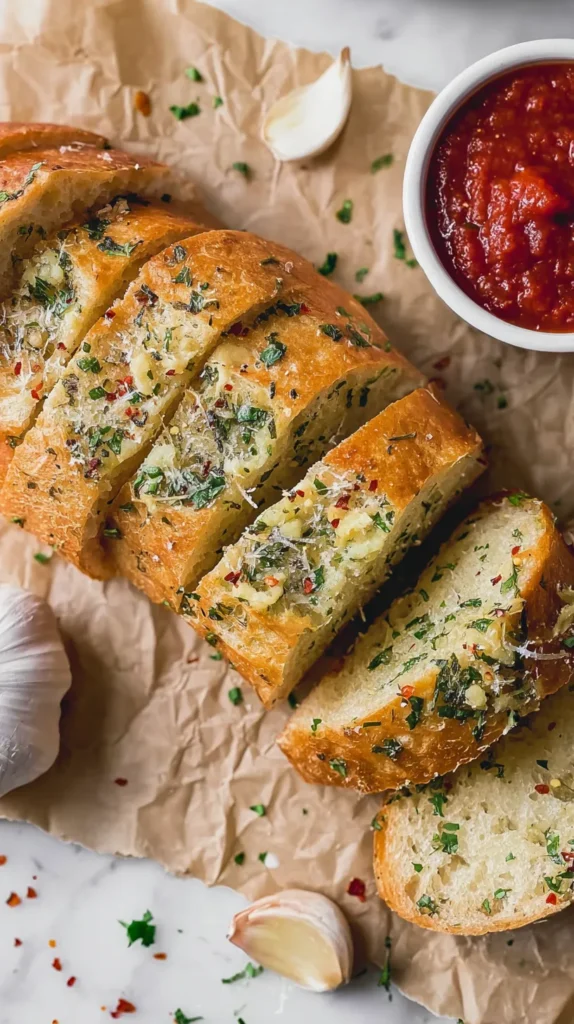
Sourdough Garlic Bread Prep Without The Messy Drama
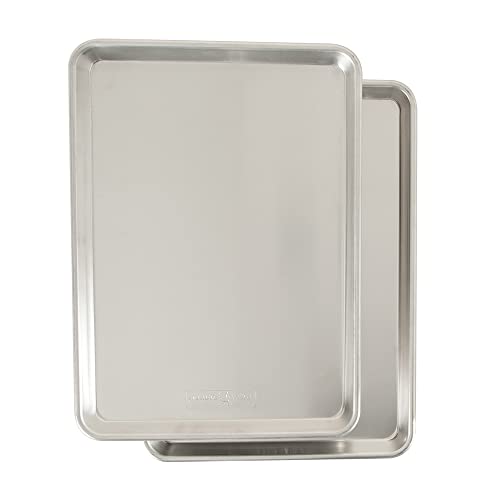
This part looks messy, but it doesn’t need to be. I set the loaf on a sheet of foil. Next, I preheat a baking sheet, because heat crisps bottoms. Then I keep a small bowl of extra butter nearby.
I cut the loaf like a grid, yet I don’t slice through the bottom. Those attached bits keep the loaf stable. They also give you that pull-apart moment later. If you want neat slices, cut straight down in one direction only.
Here’s the move that changes the whole loaf. I spread butter inside the cuts, not only on top. That’s how sourdough garlic bread tastes bold all the way through.
- Place the loaf on foil, then open it gently like a book.
- Cut deep slits, about 1 inch apart, stopping before the bottom crust.
- Use a butter knife to tuck garlic butter into every slit.
- Press a little butter on top, especially along the edges.
- Sprinkle Parmesan on top, if you want a crunchy lid.
- Wrap the foil loosely, leaving a little space for steam.
Now, the open loop from the intro pays off. The sneaky choice is foil timing. Foil traps steam, so the inside stays soft. No foil gives you a louder crust, yet it can dry the center.
So I split the difference. I start wrapped, then I finish unwrapped. That’s the sweet spot, and it’s not complicated.
Also, don’t drown the loaf. Extra butter sounds fun, yet too much makes soggy pockets. Save a tablespoon for brushing after baking.
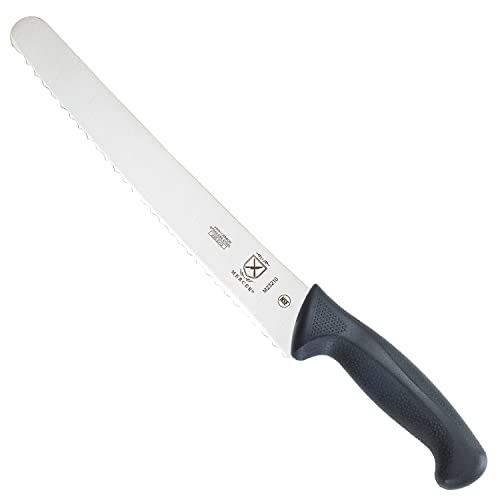
A serrated knife makes cleaner cuts, especially on a tough crust. Parchment under the foil helps, if butter leaks. Work fast, because warm butter turns runny.
Baking Timing: Soft Center Or Loud Crunch
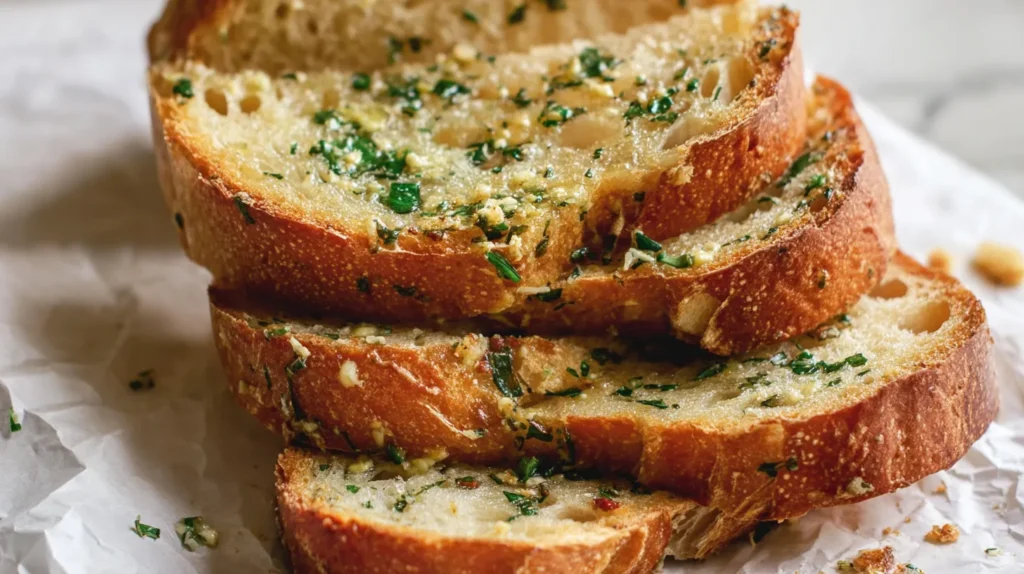
This is where you decide the personality of the loaf. Some people want soft, pull-apart bread that bends. Other people want a crust that shatters and rains crumbs. Both are valid, although one is messier.
I bake at 375°F, because it melts butter without burning garlic. A hotter oven browns faster, yet garlic can turn bitter. Lower heat keeps things pale and sad. So 375°F lands in the cozy middle.
I place the foil-wrapped loaf right on a hot baking sheet. That heat hits the bottom crust immediately. Then the foil traps steam, which keeps the inside tender. After 15 minutes, I open the foil like a little tent. I keep the loaf exposed for 8 to 12 minutes more.
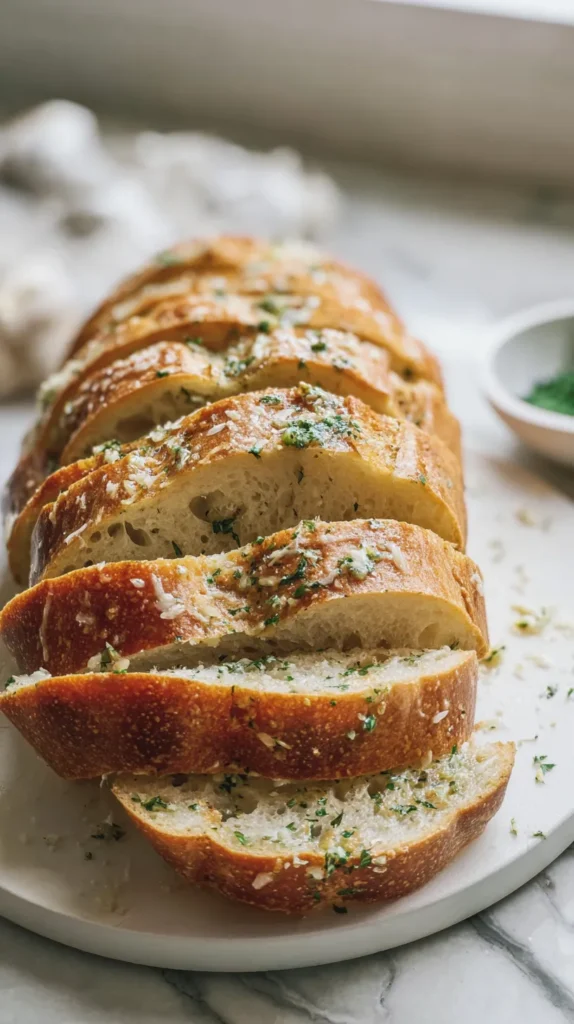
Watch the edges, not the top. The edges brown first and tell the truth. When they look deep golden, you’re close. If you added Parmesan, it should look toasted, not dark.
Here’s another quiet trick. I let the loaf rest for 5 minutes before serving. That short rest helps the butter settle. It also stops the first slice from sliding around like it’s on skates.
If you want extra crunch, skip the first wrap. Bake uncovered for 12 to 15 minutes, then check it. That version works best with thick butter and a sturdy loaf. It also makes sourdough garlic bread louder, in the best way.
Either way, serve it warm. Cold garlic butter tastes blunt.
I avoid the broiler at the end, unless I watch like a hawk. Garlic burns fast, and burned garlic tastes harsh. For reheating, I wrap slices in foil and warm at 325°F. Then I unwrap for two minutes to crisp.
Sourdough Garlic Bread Tips For A Seriously Better Bite
Sometimes you do everything right and still get weird bread. I’ve found that small details cause most of the drama. Luckily, those details are easy to fix.
First, keep your butter texture under control. Soft butter spreads like a dream. Melted butter runs away and leaves bland spots. Cold butter rips the bread and makes you angry.
Next, match the loaf to the plan. Thin loaves dry out faster. Thick boules stay tender longer. If your loaf seems small, cut the butter batch by a third.
Here are the common problems I see, plus the fix.
- Bread tastes bland: add more salt, not more garlic.
- Garlic tastes harsh: use half roasted garlic next time.
- Top browns too fast: cover with foil sooner.
- Bottom stays soft: preheat the baking sheet first.
- Butter leaks everywhere: cut slightly shallower slits.
- Bread dries out: start wrapped, then finish uncovered.
Now, the assumption flip. People think more butter always helps. Sometimes extra butter makes soggy pockets instead. The loaf needs enough butter to coat, not enough to swim.
Also, use parsley like a finishing touch, not a filler. Add half in the butter. Save half for the end. That little green pop makes the loaf taste fresher.
Finally, don’t forget texture. A pinch of flaky salt on top adds crunch. Plus, a pinch of pepper adds bite. Those tiny hits keep sourdough garlic bread from tasting one-note.
I like making the garlic butter a day ahead. It tastes more blended after a rest. Keep it covered in the fridge, then soften it before spreading.
You can also freeze the loaf after stuffing it. Wrap it tight in foil. Bake from frozen at 350°F for 25 minutes wrapped. Finish uncovered until golden.
What To Serve With It So Dinner Looks Like A Plan
Garlic bread makes dinner look intentional. I love that for us. You can serve a basic salad and suddenly it reads as dinner. That crusty edge changes the vibe fast.
I pair it with soups first, because it makes sense. Tomato soup gets richer beside garlic. Chicken noodle gets more exciting beside garlic. Even a simple veggie soup tastes better with something crisp.
Pasta also loves it, obviously. Creamy pasta needs crunch on the side. Red sauce needs something buttery to balance the bite. If you make a baked pasta, put sourdough garlic bread on the table anyway. People will still grab it.
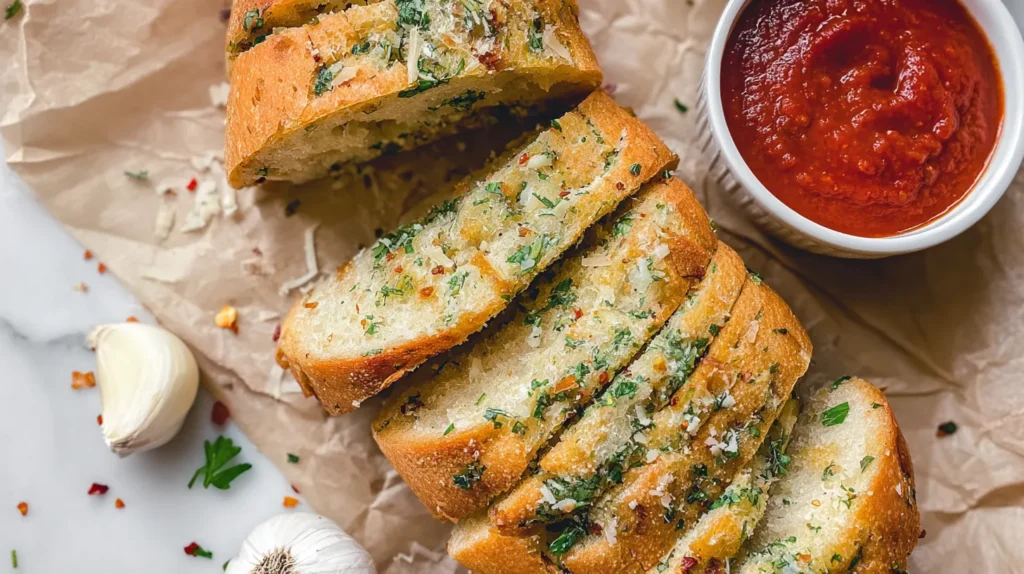
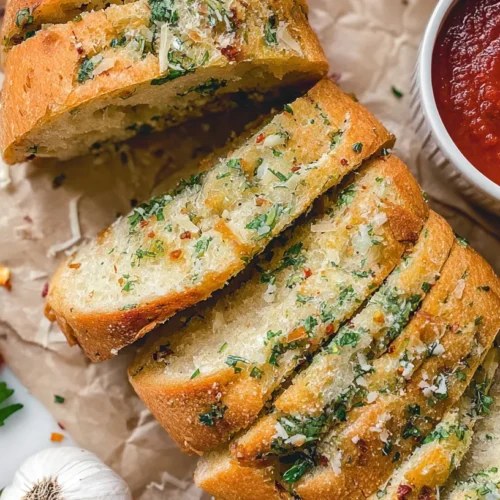
Now, let’s talk parties. This loaf works as a starter, yet it also works as a snack. Cut it into smaller squares for grazing boards. Add a bowl of warm marinara for dipping. Or add whipped ricotta with lemon zest, if you want fancy energy.
Here’s a surprise opinion. Garlic bread also fits breakfast. Not every day, but on purpose. I toast a leftover slice and top it with a soft scrambled egg. It tastes like a café order, but cheaper.
For drinks, keep it simple. Sparkling water cuts the butter. Iced tea works too. If you serve wine, choose something crisp, not heavy.
One thing I’ve found helps most: serve it immediately. The crunch fades as it cools. Flavor stays, yet the drama drops.
If you want dipping options, keep them warm. Marinara works, but pesto works too.
For leftovers, wrap slices in foil and chill. Reheat at 325°F until warm, then unwrap briefly. You get most of the crunch back, and it tastes fresh again.
Sourdough Garlic Bread FAQ That Saves Your Sanity
Questions pop up every single time, which I get. Bread looks simple, yet the results can get complicated. So I’m answering the big ones up front.
- Can I use pre-sliced sourdough? Yes, but keep slices attached if you can. Loose slices dry out faster.
- Can I use jarred minced garlic? You can, yet it tastes sharper and more metallic. Use less and add garlic powder.
- How do I make it less garlicky? Use roasted garlic for half the cloves. Also add more parsley.
- Can I make it ahead? Yes. Stuff the loaf, wrap it, and chill it for 24 hours.
- Can I freeze it? Yes. Freeze it wrapped tight in foil, then bake from frozen.
- What if my butter won’t spread? Let it soften longer, then add a teaspoon of olive oil.
- How do I keep it from getting soggy? Don’t over-butter the cuts. Finish unwrapped to crisp.
- What’s the best way to store leftovers? Wrap slices in foil and refrigerate. Reheat at 325°F, then unwrap briefly.
- Can I add cheese inside the cuts? Yes, but use a little. Too much cheese blocks butter from soaking in.
- Can I make it vegan? Yes. Use vegan butter and more olive oil. Skip Parmesan.
- Can I make it gluten-free? Only with a gluten-free sourdough loaf. Treat it gently, because it dries faster.
- What internal temperature should I aim for? Warm and steamy inside. I look for 190°F in the center.
One last reframe, because it matters. People think sourdough garlic bread must be eaten instantly or it’s ruined. It still tastes great later. You just need a quick reheat to bring back crunch.
Sourdough Garlic Bread
Ingredients
- 1 large sourdough loaf boule or batard
- 8 tablespoons unsalted butter softened
- 2 tablespoons olive oil
- 4 large garlic cloves finely minced
- 1 tablespoon chopped parsley
- 1 teaspoon flaky salt plus more to taste
- 1/2 teaspoon black pepper
- 1/2 teaspoon garlic powder optional but helpful
- 1/4 cup grated Parmesan optional for a salty edge
- 1 tablespoon lemon zest optional for brightness
Instructions
- Preheat the oven to 375°F.
- Place a baking sheet in the oven to preheat.
- Lay out a large sheet of foil on the counter.
- Place the sourdough loaf on the foil.
- In a bowl, mash the softened butter with the olive oil until glossy.
- Stir in the minced garlic, parsley, flaky salt, black pepper, and garlic powder if using.
- Fold in the grated Parmesan if using.
- Stir in the lemon zest if using.
- Cut deep slits into the loaf about 1 inch apart without cutting through the bottom crust.
- Use a butter knife to tuck the garlic butter mixture into every slit.
- Press a little of the garlic butter mixture over the top of the loaf.
- Wrap the foil loosely around the loaf, leaving space above it.
- Carefully place the foil-wrapped loaf on the preheated baking sheet.
- Bake for 15 minutes.
- Open the foil so the top of the loaf is exposed.
- Bake for 8 to 12 minutes more, until the edges look deep golden.
- Let the loaf rest for 5 minutes before serving.
- Taste and add more flaky salt if needed.

How To Make The Bread From Scratch
If you want to make the loaf from scratch, it helps to think of sourdough as a schedule, not a recipe. I’ve found most sourdough fails happen because the dough needed more time, not because someone did it wrong. So I’m going to give you enough detail to actually know what you’re looking for as you go.
For one medium loaf, I use 4 cups bread flour, 1 1/2 cups water, 1/2 cup active sourdough starter, and 2 teaspoons fine salt. Your starter matters more than anything. It should look bubbly, smell pleasantly tangy, and double in size after a feeding. If it barely rises, the loaf will act moody too.
I mix the flour and water first and let it rest for 30 minutes. That rest helps the flour hydrate, and it makes the dough easier to handle later. After the rest, I add the starter and salt, then mix until everything looks evenly combined. The dough will look shaggy at first, then it starts looking smoother as you work it.
Over the next two hours, I do four rounds of stretch and folds, about 30 minutes apart. I grab one side of the dough, stretch it up, and fold it over itself. Then I rotate the bowl and repeat until I’ve folded all four sides. Each round should make the dough feel tighter and less like a puddle. If it still feels slack after the fourth round, I give it one more round and move on.
Bulk Rise, Shaping, And Baking
Next comes the bulk rise. I cover the bowl and let the dough rise until it looks puffy and noticeably bigger, usually about 50% larger. I don’t chase the clock here, because kitchens vary. A warm kitchen speeds things up. A cooler kitchen slows it down. I look for bubbles on the surface and along the sides of the bowl, plus a dough that jiggles slightly when I nudge it.
When it’s ready, I turn the dough onto a lightly floured counter and do a quick pre-shape. I gently pull it into a round, then let it rest 15 to 20 minutes. That short rest makes final shaping easier. After that, I shape it into a tight round boule or an oval batard by pulling the dough toward me and tucking the edges under to build surface tension. You want it to look smooth on top, like it’s wearing a tight jacket.
Then I place it seam-side up in a floured banneton, or in a bowl lined with a floured towel. I cover it and refrigerate it for 8 to 12 hours. That cold ferment improves flavor and makes scoring easier. It also helps the loaf hold its shape, which matters for garlic bread slices later.
The next day, I preheat the oven to 475°F with a Dutch oven inside for at least 30 minutes. I turn the chilled dough onto parchment, score the top with a sharp knife, and lower it into the hot Dutch oven. I bake covered for 25 minutes, then uncovered for 15 to 20 minutes more, until the crust looks deep golden brown.
Here’s the part people skip, and it matters. I cool the loaf completely before slicing, at least one full hour. That cooling time sets the crumb so it slices clean instead of turning gummy. After it cools, it’s ready to become our sourdough garlic bread, and it’ll hold the butter without collapsing.
If you want, I can also add a short starter check mini-section that explains how to know your starter is truly ready, without getting overly science-y.
The Part Where Everyone Hovers Near The Kitchen
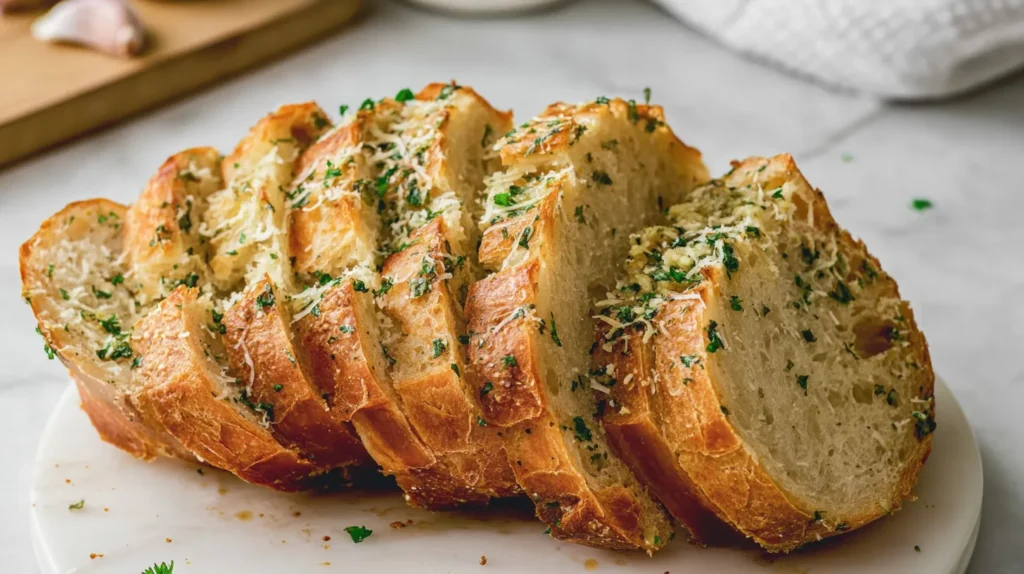
There’s a moment I always notice when bread hits the table. People drift. Conversations slide closer to the kitchen, like gravity changed. Nobody announces it, but everyone wants to be near the next slice.
I like that this recipe doesn’t ask me to perform. It just asks me to pay attention for a few minutes. Then it rewards me with that crackly crust and that buttery middle. That trade feels fair.
Sometimes I serve it with soup and call it cozy. Other nights I set it beside pasta and let it steal the show. Either way, sourdough garlic bread makes dinner feel like a plan, even on messy days.
Living in Orlando, I’ve learned one funny truth about food. If it smells good, people show up curious. Garlic smells good, and it pulls everyone in fast.
I also love how this loaf buys me time. People nibble and talk and linger. The table gets louder, yet in a good way. I don’t need fancy decor or a complicated menu.
And yes, I save the idea on Pinterest like it’s a personality trait. I want it ready for the next night I crave comfort. Because that craving always comes back, usually right when I think I’ll cook something light.
So if you make this, lean into the drama a little. Let the butter melt, let the crust crack, and let people hover. That’s the whole point.