
I love how sourdough cinnamon rolls bring instant comfort without a lot of fuss. The soft dough, warm spice, and gentle tang always create a cozy vibe that works for slow mornings or sweet afternoons. I’ve found that this recipe keeps things simple while still giving the kind of bakery-style swirl I like seeing on my table.
I also appreciate that sourdough balances the sweetness. Many rolls get heavy fast, yet this dough stays tender and light. The texture lands in that perfect middle ground where each bite hits soft, gooey, and satisfying. Since I live in Florida, the warm air helps the dough rise with less effort, which always works in my favor. Warm kitchens help fermentation along, and that takes pressure away when timing gets busy.
This recipe breaks everything into approachable steps. You won’t need special tools or advanced techniques. You just follow each stage and let the dough develop naturally. Although sourdough takes longer, the payoff comes through every layer. The richness deepens during fermentation. The filling melts into the spiral. The icing finishes everything with a sweet gloss that never competes with the cinnamon.
You’ll also get options to customize the rolls if you like experimenting. I enjoy recipes that encourage creativity because small changes can shift the flavor in fun ways. However, the base stays reliable, which matters when you want predictable results.
Now let’s walk through the ingredients, steps, and helpful notes that guide you toward soft, fragrant results every time.

Some of the links on this page are affiliate links, which means that if you click on them and buy something, I might get a small commission. But don’t worry; it never costs you more. You can peek at my full disclosure if you’re curious about the fine print.
Ingredients And Starter Prep For Sourdough Cinnamon Rolls
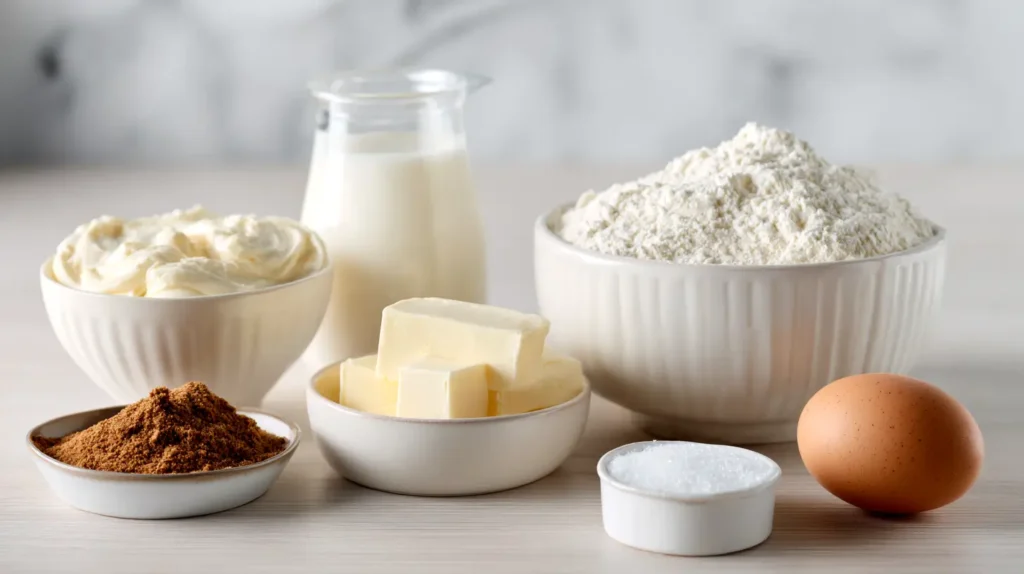
I like beginning with ingredients because it keeps everything organized. Clear lists make baking smoother, especially when timing matters. Here’s what goes into the dough, filling, and icing. Each item supports structure, texture, or flavor.
Dough ingredients:
• 1 cup active sourdough starter, bubbly and fed
• 1 cup whole milk, room temperature
• 1 large egg
• 4 tablespoons unsalted butter, softened
• 3 1/2 cups all-purpose flour
• 1/4 cup sugar
• 1 teaspoon salt
Filling ingredients:
• 1/2 cup unsalted butter, softened
• 3/4 cup brown sugar
• 2 tablespoons cinnamon
Icing ingredients:
• 4 ounces cream cheese, softened
• 3 tablespoons butter, softened
• 1 cup powdered sugar
• 1 teaspoon vanilla extract
• 1 tablespoon milk
Although the ingredient list looks simple, each part plays its own role. For example, the milk softens the dough, while the egg increases richness. The butter adds tenderness, and the sugar supports browning. Many bakers forget how these pieces interact, yet the balance shapes the final texture.
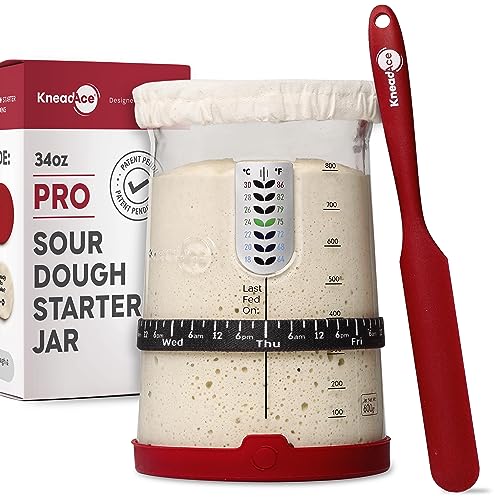
Preparing your starter matters too. You want it active and bubbly because fermentation relies on strength. Feed your starter several hours before mixing. Let it bubble at room temperature. Watch the texture shift from flat to airy. When it rises and turns frothy, it’s ready to use.
Here’s how to prep it:
• Feed your starter with equal parts flour and water
• Let it sit until very bubbly
• Use it once it doubles
Because the dough depends on fermentation, a strong starter supports a better rise. Many people underestimate this simple step, but it helps create the soft crumb that sourdough cinnamon rolls need. Now that your ingredients and starter are ready, you can move on to mixing the dough with confidence.
Mixing And Kneading The Dough For Light Rolls
This step brings everything together in a steady rhythm. I like keeping it simple because dough responds best to gentle structure. Although kneading may look intimidating, you only need clear cues to move forward confidently.
Here’s how to mix the dough:
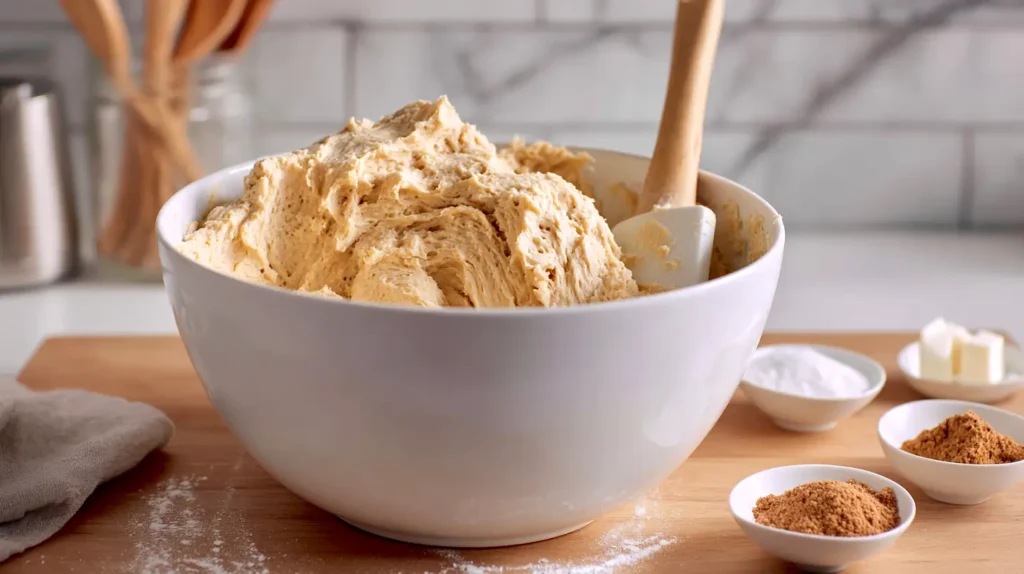
Add the active starter, milk, egg, and softened butter to a large bowl. Stir until mostly smooth. Add the flour, sugar, and salt. Mix until the dough forms a shaggy mass. Although it may appear uneven, kneading shapes it into a cohesive ball.
Turn the dough onto a clean counter. Knead for about eight minutes. Press forward with your palms. Fold the dough back toward you. Turn it slightly and repeat. Continue until the dough becomes smooth and elastic. If the dough seems dry, add a teaspoon of milk. If it seems sticky, add a tablespoon of flour. Small adjustments help maintain balance.
Place the dough into a clean bowl. Cover with a towel. Let it rest for 3 to 4 hours. The dough should expand slightly, not double. Sourdough rises slower, but the gradual fermentation deepens flavor and strengthens texture. Many doughs rely on speed, yet slower rises shape a softer crumb.
Because I live in Florida, I notice fermentation moves faster in warm air. You may see your dough soften and loosen quickly. However, cooler kitchens may need extra time. Both versions work because sourdough adapts well to different environments.
When the dough becomes soft and stretchy, you’ll be ready for shaping. The next step teaches how to roll it without tearing while spreading filling evenly. These details help every swirl look clean and balanced. With this foundation, your sourdough cinnamon rolls bake beautifully.

Shaping And Filling Sourdough Cinnamon Rolls
Shaping gives the rolls their signature look. I enjoy this part because it mixes creativity with structure, and the dough usually cooperates when handled gently. Although rolling dough seems tricky, simple steps make it manageable.
Lightly flour your counter. Place the dough on the surface. Roll it into a 12×18 inch rectangle. Keep the thickness even. Smooth dough helps the filling spread without gaps, which supports a tight and attractive swirl.
Spread the softened butter across the entire surface. Sprinkle the brown sugar evenly. Add the cinnamon next. Press lightly with your hand so the mixture adheres to the dough. This small step prevents the filling from shifting during rolling.
Starting from the long side, roll the dough tightly. Move slowly to keep the roll even. Pinch the seam once you reach the end. Although small, this pinch keeps the roll from unraveling in the oven.
Slice the rolled dough into 12 equal pieces. A sharp knife works fine. However, unflavored dental floss cuts even cleaner. Slide it under the dough, cross the ends, and pull. You get perfect edges without squishing.
Place the rolls in a greased baking dish. Leave small spaces between them. Cover the dish with a towel. Let the rolls rise for 2 to 3 hours. They should look soft and puffy. Because sourdough takes its time, slow fermentation creates better texture.
Warm kitchens help proofing along, and Florida heat often speeds things up for me. Even small temperature shifts influence rise time, yet the dough stays forgiving.
Once they rise, your sourdough cinnamon rolls are ready for the oven. The next section guides you through baking so the tops turn golden while the centers stay soft and tender.

Why I Shape Sourdough Cinnamon Rolls With a Slight Trapezoid
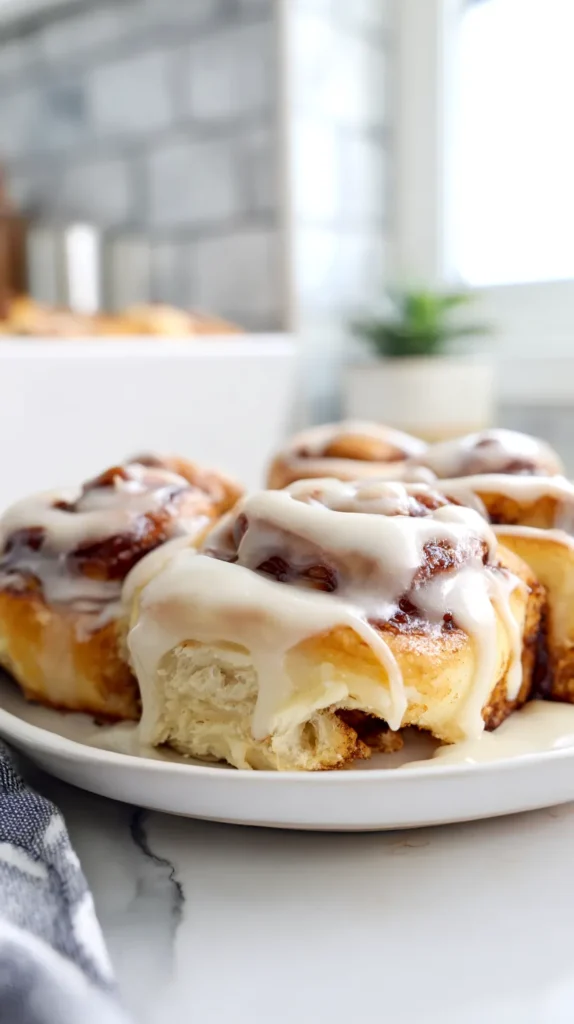
I notice the end pieces of cinnamon rolls rarely get treated fairly. One side usually looks skimpy, while the center rolls come out lush and dramatic. That mismatch gets more obvious with sourdough because the dough expands as it proofs. So, when I make sourdough cinnamon rolls, I skip the perfect rectangle and shape a slight trapezoid instead.
The change is small, but it fixes a real baking annoyance. I roll the dough so one long side sits an inch wider than the other. Then I start rolling from the narrower side and move toward the wider side. As the spiral builds, those outer turns catch up and create end rolls with better diameter.
That shape gives me more even portions before the pan enters the oven. Each roll holds a closer amount of filling, which keeps the cinnamon ratio from getting weird. Meanwhile, the ends stay softer because they are not underfilled and thin. I also get a prettier bake, since the tray looks balanced instead of two sad stragglers.
Proofing looks better too, which I appreciate more than I used to. The rolls rise into one another with less size drama across the pan. Better still, the centers do not hog all the visual attention. Everything looks fuller, calmer, and more intentional.
Most recipes act like the rectangle is sacred, and I just do not buy that. Dough is allowed to work for me, not the other way around. If a tiny shift makes the whole batch bake more evenly, I am taking it. It is such a smart adjustment for sourdough cinnamon rolls when I want every roll worth grabbing first.
Baking Your Rolls Until Soft And Golden
This stage locks in structure, softness, and flavor. Many bakers worry about overbaking, but simple cues help you stop at the right moment. Although ovens vary, steady attention ensures reliable results.
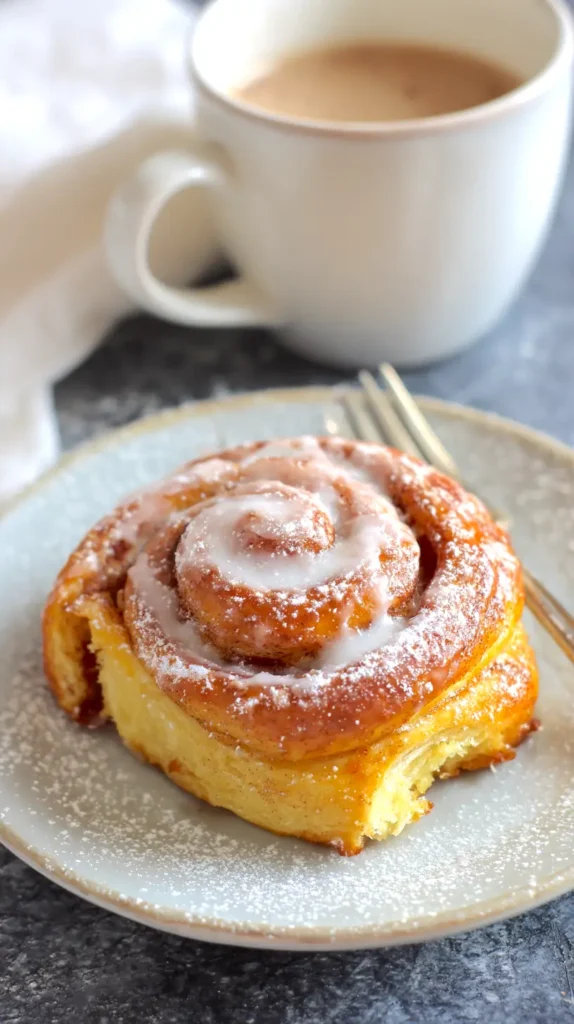
Preheat your oven to 375 degrees. Warm ovens encourage even baking. Place the risen rolls inside. Bake them for 20 to 23 minutes. Watch the tops closely. You want them lightly golden, not dark.
Here’s what I check during baking:
• Tops should be pale golden
• Centers should look set
• Dough should spring back gently
If edges brown too fast, tent the dish with foil. This trick protects the surface while the centers finish cooking. Because enriched dough browns quickly, this step often helps.
Remove the rolls from the oven once they reach the right color. Let them rest for ten minutes. Warm rolls absorb icing gently. If you spread icing immediately, it melts too much. If you wait too long, it sits thick. This short window blends the icing into the swirls perfectly.
While the rolls rest, prepare the icing:
Blend the cream cheese and butter until smooth. Add powdered sugar and mix. Add vanilla and milk. Stir until creamy. Adjust the milk if you prefer a thinner icing.
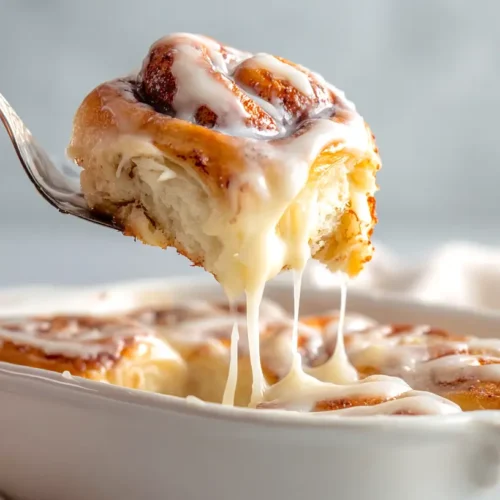
Spread the icing across the warm rolls. It softens slightly without disappearing. The glossy finish adds sweetness without overpowering the cinnamon.
Although this step ends the baking process, many people enjoy customizing their rolls next. Small changes create new versions without altering the base recipe. The following section offers ideas to personalize your sourdough cinnamon rolls.

A Slow-Proof Shortcut That Changes Everything With Sourdough Cinnamon Rolls
I love finding tiny tricks that shift a classic recipe into something smarter, not harder. One idea I’ve started using with sourdough cinnamon rolls is an overnight “staggered proof” that protects flavor while speeding your morning. Most recipes lean on one long overnight rise, but this method divides that rise into two short windows. Although it sounds unusual, it gives you softer dough, deeper flavor, and a morning that doesn’t run your whole schedule.
Here’s how it works. You let the dough rest at room temperature for ninety minutes after mixing. Then you transfer it to the refrigerator for four hours. Next, you return it to room temperature for thirty minutes before shaping. This little temperature swing encourages gentle fermentation without letting the dough grow too sour. Many bakers struggle with tangy notes that creep in overnight, yet this shift protects the sweetness while still unlocking structure.
Another benefit comes from texture. The cold stage tightens the dough slightly, which makes rolling easier. You get cleaner edges, tighter spirals, and even layers of filling. Although the rolls still rise slowly, the final proof becomes more predictable because the dough relaxes evenly. That consistency matters when you want tidy swirls instead of loose, uneven rounds.
This staggered method also supports busy days. You can slot each step around normal routines without rushing. When baked, the rolls stay pillowy with balanced flavor that highlights the cinnamon without losing the warm depth from sourdough. It’s a simple shift, yet it transforms the entire workflow while keeping sourdough cinnamon rolls tender and reliable.

Creative Variations And Flavor Twists
I love recipes that give room to experiment. The base remains steady, yet you can shift flavors with simple additions. Although these ideas vary, each one complements the texture created by sourdough cinnamon rolls.
Fruit additions:
• Add chopped apples for gentle sweetness
• Add raisins for a classic touch
• Add dried cranberries for brightness
Nut options:
• Add pecans for warmth
• Add walnuts for earthy richness
• Add almonds for subtle crunch
Spice variations:
• Add nutmeg for deeper aroma
• Add cardamom for floral notes
• Add ginger for lively warmth
Icing twists:
• Add orange zest for citrus lift
• Add maple syrup for caramel notes
• Add extra vanilla for smooth sweetness
Filling changes also work well. Replace part of the cinnamon with espresso powder for a mocha finish. Add cocoa for a chocolate swirl. Add a touch of clove for holiday depth. These adjustments keep the recipe flexible.
You can also change the shape if you like trying new formats. Slice the dough thinner for mini rolls. Cut thicker pieces for bakery-style rounds. Bake in muffin tins for single servings. Each option changes the presentation without affecting softness.
Although these variations shift the flavor, the dough stays dependable. Strong fermentation supports structure even with add-ins. Because sourdough strengthens gluten naturally, the rolls maintain their shape and softness.
Creativity keeps baking fun, especially when the base behaves well. Now that you’ve explored options, you can find the twist that suits your taste. The final section brings everything together with a personal, warm tone.


Sourdough Cinnamon Rolls
Ingredients
Dough
- 1 cup active sourdough starter fed and bubbly
- 1 cup whole milk warmed to lukewarm
- 1 large egg
- 1/3 cup granulated sugar
- 1/4 cup unsalted butter softened
- 4 cups all-purpose flour
- 1 teaspoon fine sea salt
Filling
- 1/2 cup unsalted butter softened
- 1 cup packed brown sugar
- 2 tablespoons ground cinnamon
Icing
- 4 ounces cream cheese softened
- 4 tablespoons unsalted butter softened
- 1 cup powdered sugar
- 1 teaspoon vanilla extract
- 2 to 3 tablespoons milk as needed for consistency
Instructions
- Add the warm milk, sugar, egg, and softened butter to a large mixing bowl and stir until smooth.
- Stir in the active sourdough starter until combined.
- Add the flour and salt and mix until a rough dough forms.
- Knead the dough by hand or with a mixer until smooth and stretchy, about 8 to 10 minutes.
- Cover the bowl and let the dough rest at room temperature for 8 to 12 hours, or until doubled.
- Lightly flour your counter and turn out the risen dough.
- Roll the dough into a 12×18-inch rectangle.
- Spread the softened butter for the filling evenly across the surface.
- Sprinkle the brown sugar over the butter in a thick, even layer.
- Sprinkle the cinnamon over the sugar.
- Roll the dough tightly from the long side into a log.
- Cut the log into 12 equal pieces using a sharp knife or thread.
- Place the rolls into a greased 9×13-inch baking dish.
- Cover the dish and let the rolls rise for 1 to 2 hours, or until puffy.
- Preheat the oven to 375°F.
- Bake the rolls for 22 to 25 minutes, or until lightly golden on top.
- Let the rolls cool slightly while preparing the icing.
- Add the cream cheese and butter to a bowl and blend until smooth.
- Add the powdered sugar and vanilla and mix again.
- Add the milk a little at a time until the icing reaches a pourable consistency.
- Spread the icing over the warm rolls and serve.

Sourdough Cinnamon Rolls FAQ
Can I make sourdough cinnamon rolls overnight? Yes, and I actually like that schedule better. The dough gets deeper flavor, and the morning feels much less chaotic. I refrigerate the shaped rolls, then let them warm up before baking.
What if my dough rises slowly? Temperature usually explains that. A cooler kitchen stretches the timeline, while Florida heat can move things along fast. I tend to watch the dough more than the clock.
Can I use sourdough discard instead of active starter? Not for this exact recipe if you want the same fluffy result. Active starter gives better lift and a lighter crumb. Discard works better in recipes that do not rely on a strong rise.
Why did my filling leak out of the rolls? That usually happens when the butter gets too melted or the roll sits too loose. I’ve found that softened butter holds the sugar in place better. A snug roll keeps the layers cleaner too.
How do I keep the centers soft? Do not overbake them. Pull the pan when the tops turn lightly golden and the centers look set. The rolls keep cooking a bit after they leave the oven.
Can I freeze sourdough cinnamon rolls? Yes, and they freeze surprisingly well. I like freezing them before icing for the best texture later. Then I reheat them gently and add fresh icing before serving.
What is the best pan for baking them? I prefer a ceramic or metal 9×13 pan. Both give sourdough cinnamon rolls enough space to rise without spreading too wide. A pan that is too large makes the rolls bake flatter.
Why does the dough look richer one day and paler another day? Small ingredient shifts can do that. Egg yolk color, butter tone, and even your flour brand change the look. So if the dough behaves well, I would not obsess over shade.
Last Few Sweet Ideas
I love how certain recipes slow the energy of a busy day without asking much from me. Baking these rolls does that in a way few things manage. Each stage nudges me into a calmer rhythm that feels steady and grounding. The dough rises patiently. The cinnamon sinks into the spirals with slow confidence. The icing settles into the creases like it always knew where to land.
Warm weather even makes the process smoother. Florida heat speeds fermentation naturally, which helps the dough rise without fuss. That tiny boost keeps everything predictable when timing already feels tight. Gentle warmth supports the starter and brings out the best texture in every batch.
Creativity also fits easily into this recipe. Small twists change the personality of the rolls without breaking their structure. Citrus brightens the swirl. Nuts add warmth. Extra spice deepens everything. Pinterest stays packed with fun variations, and I love seeing how many ways bakers reinvent a simple idea.
Accessibility might be my favorite part. The steps stay relaxed. The ingredients stay familiar. The process never demands special tools or complicated techniques. You just guide the dough, give it time, and watch it transform in the oven. Soft centers form. Sweet edges brown. The entire kitchen shifts into something cozy.
Comfort should be simple. Baking should offer space to breathe. These sourdough cinnamon rolls deliver that comfort every single time, which is why they stay in my rotation.