I didn’t plan on thinking about kolaches that day. It just happened. One minute I was minding my business, and the next I was picturing soft dough wrapped around sausage like it owned real estate in my brain. That’s usually how it goes, honestly. Some foods don’t knock. They just move in. A sausage kolache recipe is one of those ideas that sneaks up quietly, then refuses to leave until you give it proper attention.
Kolaches land in a weirdly specific lane, and that’s why they work. They aren’t flashy or trendy, and they don’t chase internet approval. Somehow, though, they still win. The balance does the heavy lifting. Warm dough, a slight sweetness, savory filling, and enough structure to make breakfast feel pulled together. When all of that shows up at once, it lands differently than most morning food.
Living in Orlando, I notice this contrast even more. We’re surrounded by fast breakfasts and grab-and-go everything, yet something about kolaches still feels grounding. They’re the kind of thing you eat slowly, even if you’re standing in the kitchen. You don’t rush them. You don’t multitask them. They ask for your full attention.
This isn’t a post about reinventing anything. It’s about leaning into something that already works. It’s about how kolaches became a Texas staple without needing a marketing team. And it’s about why, once you understand them, you suddenly want them around all the time.
There’s a reason that thought keeps looping. I promise we’ll get there.
Some of the links on this page are affiliate links. That means if you click and make a purchase, I may earn a small commission at no extra cost to you. If you’re curious about the fine print, you can check out my full disclosure.
Why Sausage Kolaches Quietly Win Every Breakfast Debate
Kolaches don’t shout. They don’t trend. They don’t care what anyone else is doing. That’s part of the charm. I tend to notice that foods with staying power usually skip the performance. Sausage kolaches fall squarely into that category.
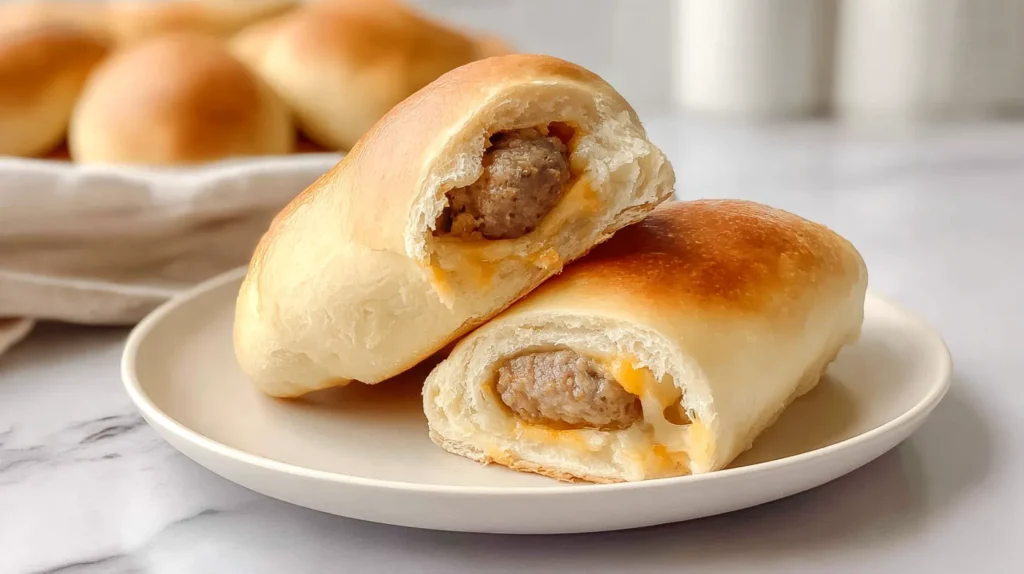
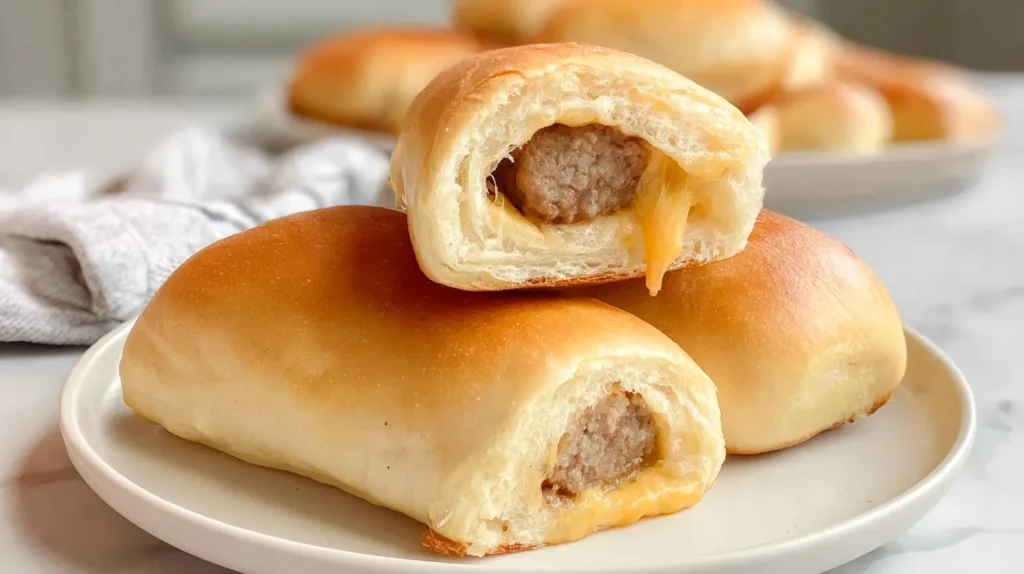
Here’s the thing most people miss at first. Kolaches aren’t about the sausage alone. They’re about contrast. The dough matters just as much as the filling, maybe more. That soft, slightly sweet bread creates balance. Without it, you’d just be eating sausage in a costume.
Texas gets a lot of credit for popularizing kolaches, and rightly so. Thanks to Czech and German roots, they’re everywhere there. Gas stations sell them. Bakeries rely on them. Road trips require them. That kind of cultural adoption doesn’t happen by accident.
What surprises people is how versatile they are without trying. They show up casually, yet they work for so many situations. Breakfast, obviously. Mid-morning snack, absolutely. Road food that won’t betray you, yes. They even handle reheating like champs, which matters more than people admit.
There’s also something deeply practical about them. They’re portioned. They’re contained. They don’t drip or crumble or fall apart mid-bite. That reliability earns trust quickly.
I’ve found that once someone understands what makes kolaches work, they stop asking whether they’re worth making. Instead, they start asking how soon.
And that’s where things get interesting.
What People Assume About Kolaches (And What’s Actually True)
Most assumptions about kolaches miss the mark just enough to cause hesitation. People tend to think they’re complicated, fussy, or reserved for professional bakeries that open before sunrise and smell like flour all day. That image sticks, even when it doesn’t really line up with reality. I’ve noticed that once an idea like that takes hold, it can feel surprisingly hard to shake.
Here’s the quieter truth that usually changes everything. Kolaches are structured, not complicated, and that difference matters. Structure means there’s a rhythm to follow. Complicated means punishment for small missteps. Kolaches fall firmly into the first camp. They like order, but they don’t demand perfection. That’s a rare combination when dough is involved.
Another common assumption centers on sweetness. Fruit-filled kolaches get a lot of attention, especially outside Texas, so it’s easy to think that’s the whole story. That’s where confusion creeps in. Savory kolaches aren’t a modern twist or a clever variation. They’ve always belonged here. Sausage, cheese, and peppers didn’t show up late to the party. They were invited from the start.
Then there’s the yeast fear, which feels bigger than it deserves. Yeast tends to get blamed for past baking disappointments, even when the real issue was unclear direction. I tend to notice that once the process feels approachable, the anxiety fades quickly. Confidence usually follows clarity.
People also assume special tools are involved, which adds unnecessary pressure. They aren’t. A bowl, a pan, and some patience handle most of the work. Timing does the rest, and that part becomes easier once expectations shift.
The biggest misconception, though, is that kolaches are precious. They aren’t delicate showpieces. They were designed for real kitchens and real schedules. Once that clicks, a sausage kolache recipe stops feeling like a risky project and starts feeling like a sensible plan.
The Dough Is Doing More Work Than You Think
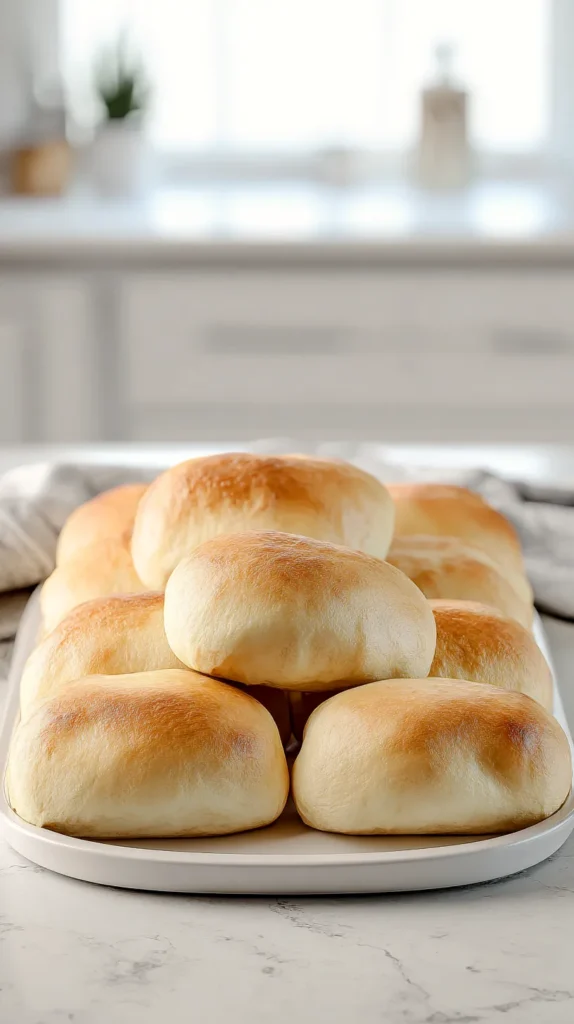
Let’s talk about the dough without turning this into a lecture. The dough carries the entire experience. It decides whether the kolache feels cozy or forgettable. That’s a lot of responsibility for something that looks so simple.
Kolache dough leans slightly sweet on purpose. That sweetness isn’t dessert-level. It’s background support. It rounds out the sausage, softens the salt, and creates balance. Without it, the whole thing feels flat.
Texture matters here too. The dough should be pillowy, not dense. You want softness without collapse. That comes from proper kneading and enough rise time, not magic.
I tend to notice that people rush this part. Not because they want to, but because no one explains why patience pays off. Letting the dough rise fully gives it structure. It also improves flavor, even if you don’t consciously notice it.
Here’s what good kolache dough does well:
- It stretches without tearing.
- It bakes up evenly.
- It holds the filling without leaking.
- It reheats without drying out.
That last point matters more than people admit.
Once you understand the dough’s role, everything else falls into place. The sausage becomes the highlight instead of the whole show. The bread supports instead of competes.
This is where confidence sneaks in. When the base works, the rest feels manageable.
The Filling Choices That Make Sense
Sausage kolaches aren’t about endless options. They’re about smart ones. I’ve found that restraint usually leads to better results here.
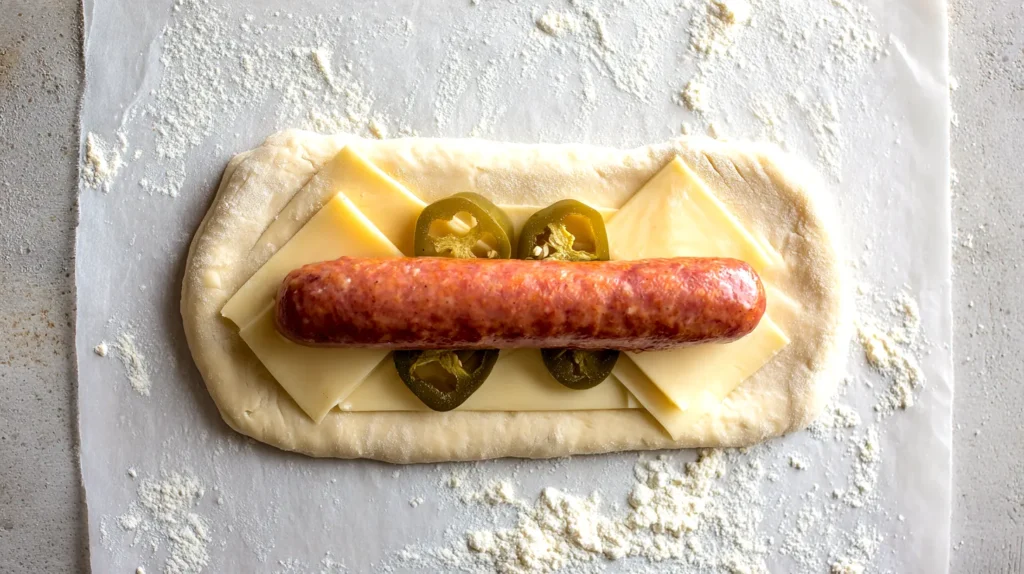
Classic sausage works because it’s predictable. Smoked sausage holds its shape. Breakfast sausage adds familiarity. Jalapeños bring heat when used thoughtfully. Cheese adds richness, not distraction.
Here’s where people overthink things. They try to add too much. Kolaches don’t need layers of complexity. They need harmony.
A few combinations consistently work:
- Smoked sausage and mild cheese.
- Breakfast sausage with cheddar.
- Sausage, cheese, and thin jalapeño slices.
- Sausage with a touch of cream cheese for softness.
What doesn’t help is stuffing everything inside. Overfilling causes leaks, uneven baking, and frustration. Less filling often delivers more satisfaction.
Another quiet rule is moisture control. Wet fillings sabotage dough. If you’re adding anything extra, it should be dry or cooked down.
Once the filling behaves, the kolache behaves. That relationship matters.
This is where the recipe starts to feel intentional instead of improvised. That shift changes how confident you feel mid-process.


Sausage Kolache Recipe: Ingredients That Keep Things Simple
This sausage kolache recipe focuses on reliability, not novelty. Every ingredient earns its place. Nothing shows up just to be interesting.
Ingredients for the dough:
- 1 cup warm milk
- 2¼ teaspoons active dry yeast
- ¼ cup granulated sugar
- 3 tablespoons unsalted butter, melted
- 1 large egg
- 3½ cups all-purpose flour
- 1 teaspoon salt
Ingredients for the filling:
- 12 smoked sausages or breakfast sausage links
- 1½ cups shredded cheese
- Optional sliced jalapeños
The ingredient list stays approachable on purpose. I tend to notice that when ingredients feel familiar, people relax. Relaxed cooks make better food.
Everything here supports structure and balance. The sugar supports yeast activity and flavor. The butter adds softness. The egg provides richness without heaviness.
This is where things stop being intimidating and start being doable.

How The Sausage Kolache Recipe Process Comes Together
This is usually the moment people tense up, which is funny, because nothing dramatic happens here. The process works best when it feels almost uneventful. That’s the part no one tells you. When things feel calm, they’re usually going well. I tend to notice that the more relaxed the rhythm, the better the outcome.
Start with the yeast and warm milk, plus a little sugar, and then stop. That pause matters. Foam means life, but patience means structure. Once the yeast wakes up, melted butter and the egg slide in, followed by flour and salt at an unhurried pace. The dough should feel cooperative, not clingy, not stiff, just willing. Kneading isn’t a workout. It’s steady pressure until the dough smooths out and stops arguing.
Here’s where people assume speed helps. It doesn’t. Letting the dough rise fully creates softness you can’t fake later. While that’s happening, prep the sausage and cheese so nothing feels frantic afterward. Organization isn’t about control here. It’s about flow.
When the dough is ready, divide it evenly and flatten gently. Add filling without pushing limits, then wrap snugly and place seam-side down. That small detail prevents leaks later, which is a quiet win. After a short second rise, everything looks more confident, like it knows what’s coming.
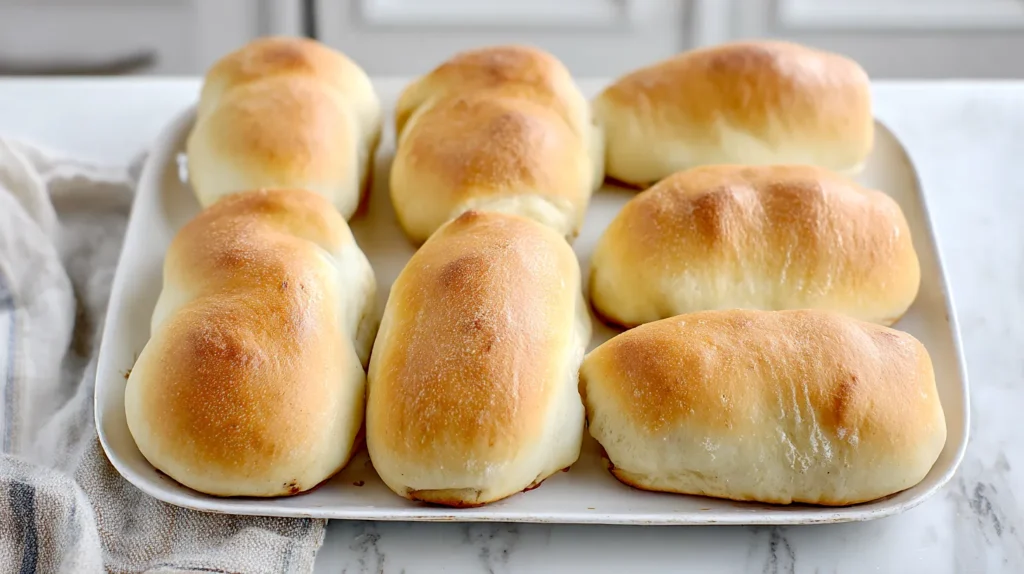
Bake at 375°F until golden, usually around 18 to 22 minutes. Pull them when they look ready, not when the timer demands obedience. This sausage kolache recipe rewards awareness more than precision.
Quick reality checks that help:
- Pale tops mean wait another minute.
- Overstuffed dough usually tells on itself.
- Calm pacing beats multitasking every time.
The process works best when you don’t hurry it. Rushing is usually what causes problems.

Tips That Make Kolaches Better Every Time
This is the part people expect to skim, which is ironic, because this is where everything quietly improves. Not dramatically. Not in a before-and-after montage way. Just in that subtle, “wait, these are better than last time” way. I tend to notice that kolaches reward attention more than effort. That’s a useful distinction.
The second rise is a good example. It feels optional, especially when you’re ready to be done. It isn’t. Skipping it tightens the dough in a way you can’t undo later. Giving it that extra rest softens everything, including your expectations. That small pause pays off.
Temperature sneaks up on people too. Room-temperature fillings behave. Cold ones fight back. Sausage straight from the fridge slows baking and messes with texture. Letting things sit briefly before assembly keeps the dough from overworking itself. That’s a win you don’t see until you bite in.
Here’s a moment to reset. Overstuffing feels generous, almost polite. It’s also where kolaches start leaking and losing shape. Less filling doesn’t mean less flavor. It means better structure and cleaner bites. That tradeoff surprises people.
A few things I’ve found consistently help:
- Let the dough tell you when it’s ready, not the clock.
- Keep seams underneath so gravity stays on your side.
- Brush baked kolaches lightly with butter while warm.
- Wait a few minutes before eating, even if you don’t want to.
Cooling time feels like torture, but it matters. Cutting too soon compresses the crumb and steals softness. Five minutes changes the texture more than you’d expect.
Here’s the reframe most people miss. Better kolaches don’t come from control. They come from cooperation. When you stop forcing perfection, the sausage kolache recipe starts working with you instead of against you.
That’s when they quietly level up.
Serving, Storing, And Reheating Without Regret
This is the part everyone thinks they already knows, which is exactly why it matters. Kolaches are great fresh, yes, but that’s not the full story. What makes them special is how well they behave after the first moment passes. I tend to notice that foods with staying power earn repeat appearances, not applause.
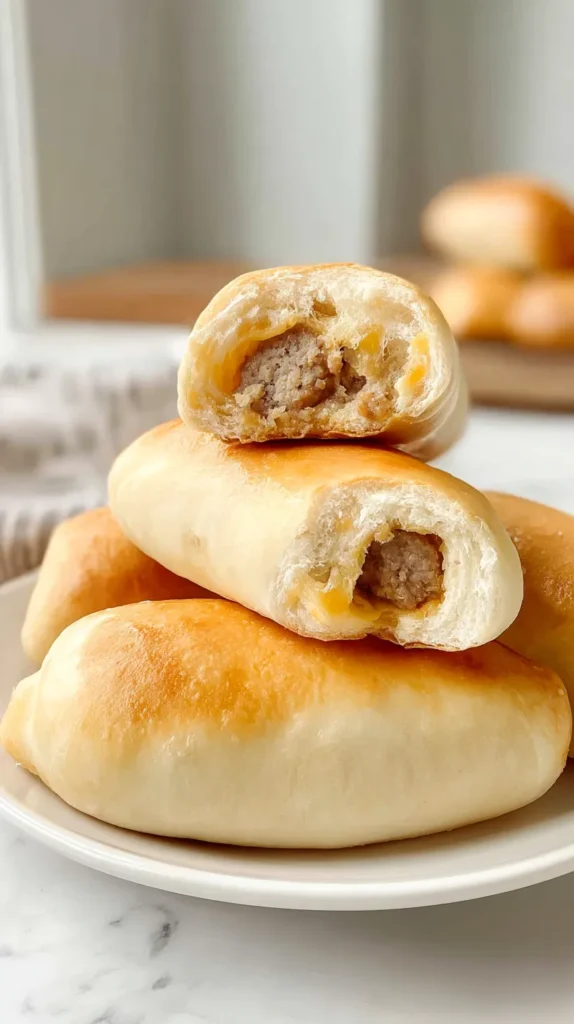
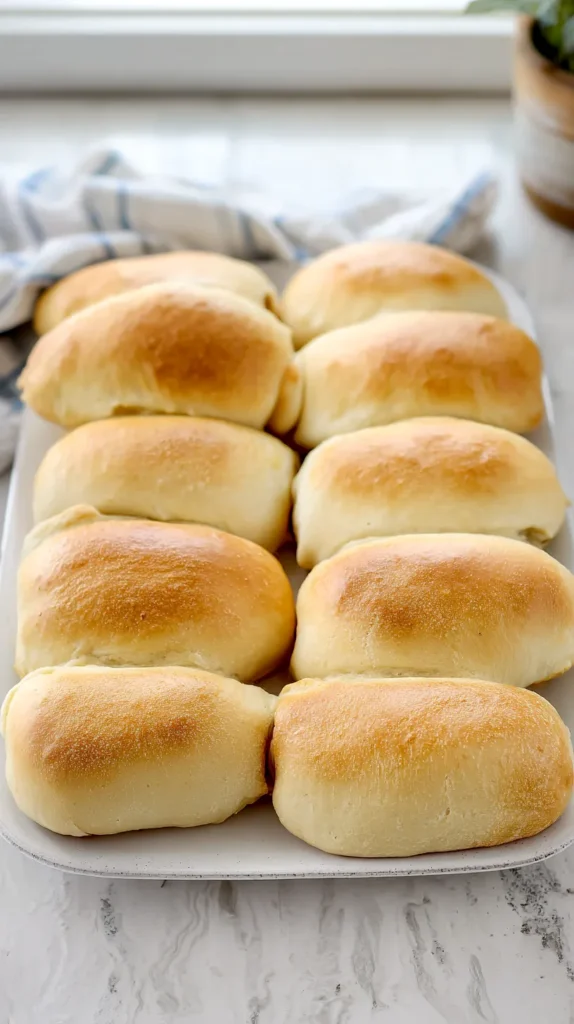
Fresh from the oven, kolaches feel obvious. Warm, soft, satisfying. That’s the easy win. The real test comes later, when they’re no longer the main event. Covered and stored in the fridge, they hold their structure surprisingly well. The dough doesn’t collapse. The filling doesn’t wander. That reliability is doing quiet work.
Reheating is where regret can sneak in. The microwave feels tempting. It’s fast. It’s right there. It also changes the texture in ways that aren’t kind. Gentle reheating in the oven keeps the dough soft without turning it chewy. A few minutes is enough. Rushing it rarely helps.
Freezing catches people off guard too. Kolaches freeze beautifully when wrapped well. That flexibility turns them from a one-time project into a future favor you did for yourself. Pulling one out later feels oddly satisfying, like you planned ahead without trying.
Here’s a good moment to pause. Serving doesn’t need embellishment. Kolaches don’t ask for sides or sauces or presentation tricks. They’re complete on their own. Coffee pairs naturally. Fruit works if you want balance. Anything more starts to feel unnecessary.
A few practical reminders that save disappointment:
- Let reheated kolaches rest briefly before eating.
- Avoid stacking them while warm.
- Wrap individually before freezing.
- Reheat uncovered so moisture escapes.
Here’s the reframe most people miss. Kolaches aren’t precious. They’re dependable. This sausage kolache recipe fits into real routines, not special occasions. When food works with your life instead of interrupting it, that’s when it earns a permanent spot.
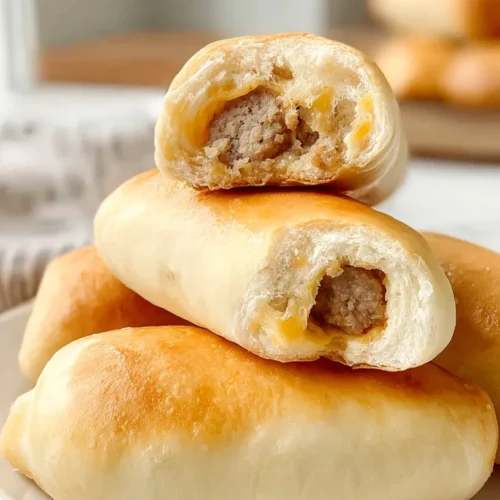
Sausage Kolache Recipe
Ingredients
Dough
- 1 cup warm milk
- 2¼ teaspoons active dry yeast
- ¼ cup granulated sugar
- 3 tablespoons unsalted butter melted
- 1 large egg
- 3½ cups all-purpose flour
- 1 teaspoon salt
Filling
- 12 smoked sausages or breakfast sausage links
- 1½ cups shredded cheese
- Optional sliced jalapeños
Instructions
- Start with the yeast and warm milk plus a little sugar, then pause briefly and allow the mixture to foam.
- Add the melted butter and the egg to the yeast mixture.
- Add the flour and salt gradually, mixing until a soft dough forms.
- Knead the dough with steady pressure until it becomes smooth and elastic and no longer sticky.
- Allow the dough to rise until doubled in size.
- While the dough rises, prepare the sausage and cheese so everything is ready for assembly.
- Divide the dough evenly and flatten each portion gently.
- Add the filling without overstuffing, then wrap the dough snugly around the sausage and place seam-side down.
- Allow the shaped kolaches to rise briefly a second time.
- Bake at 375°F until golden, about 18 to 22 minutes.
- Remove from the oven when the kolaches look evenly baked and lightly browned on top.
Last Thoughts on This Delicious Sausage Kolache Recipe
There’s a certain relief that comes from recipes you don’t have to overthink. A sausage kolache recipe fits into that category for me. It’s practical, dependable, and flexible in ways that matter when mornings don’t unfold neatly. I tend to notice that the recipes I keep around long-term usually solve a problem, not create a performance.
What stands out most is how naturally kolaches slide into real routines. On rushed mornings, they don’t ask for extra thought. When plans change, they hold up without stress. Even reheated, they stay satisfying instead of disappointing. That kind of reliability matters more than novelty, especially when food needs to pull its weight.
Living in Orlando, convenience food is everywhere, yet kolaches still earn a spot. They slow things just enough without demanding extra time. That balance feels rare. Breakfast doesn’t need to be dramatic to be satisfying, and kolaches prove that point quietly.
I also appreciate how this recipe ages well. Making them once often means enjoying them more than once. That practicality changes how you think about the effort upfront. It stops feeling like a project and starts feeling like a smart use of time.
Pinterest is full of bold ideas and eye-catching recipes, and there’s space for all of that. Still, the recipes I trust most are the ones that work repeatedly without asking for attention. Consistency builds confidence faster than trends ever will.
Eventually, kolaches stop being something you try. They become something you expect to work. And that kind of reliability is worth keeping around.