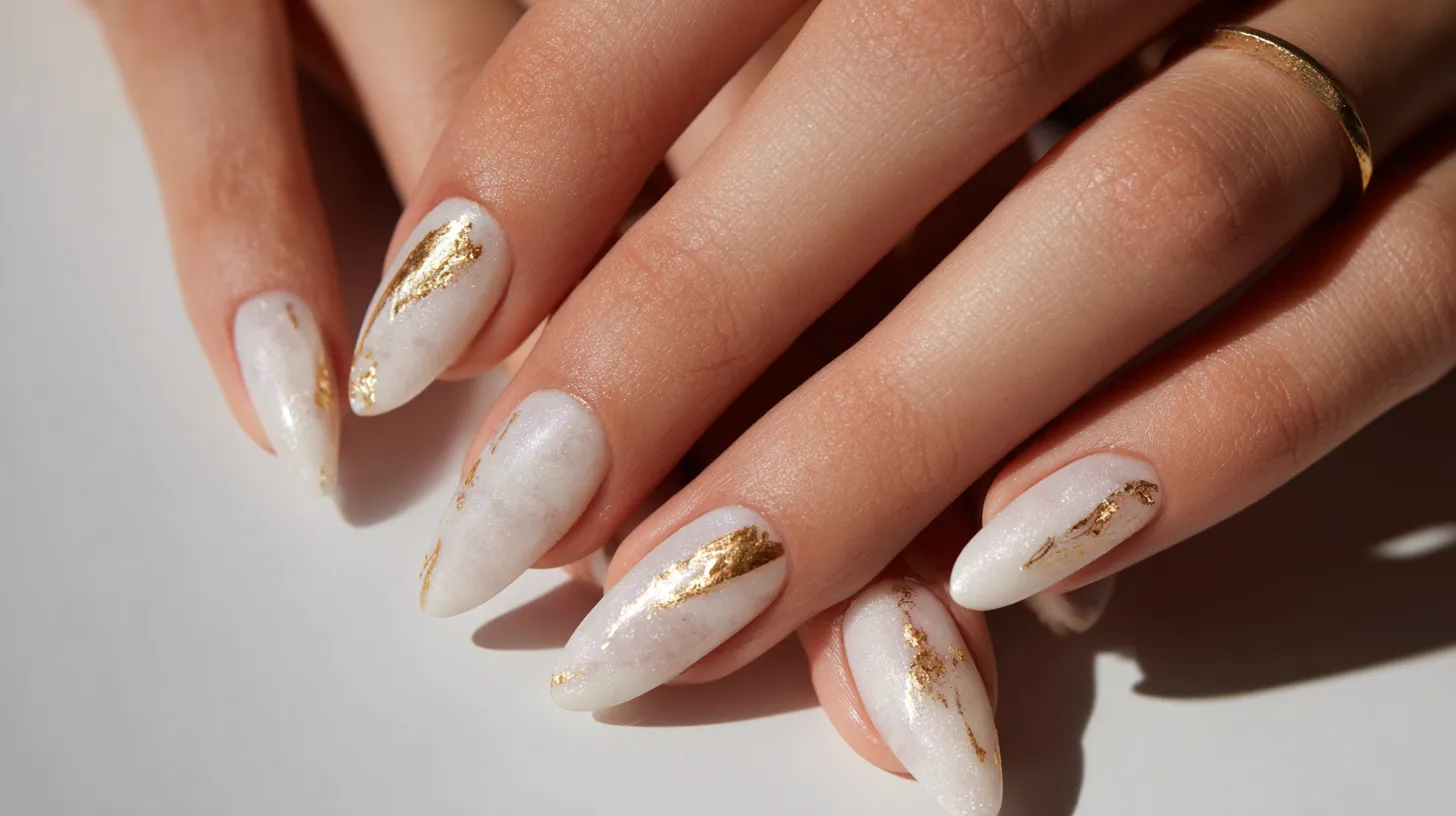
Prayer shows up in quiet ways. Tattoos often do too. That’s why a pray tattoo keeps drawing women in. It isn’t loud or trendy. It sits there and means something. I’ve found that many women want ink that reminds them to pause. Others want a symbol of hope. Some want a word that keeps them steady.
A prayer tattoo works because prayer itself means different things to different people. For some, it connects to faith. For others, it means grounding or gratitude. Sometimes it’s about strength. Sometimes it’s about letting go. Because of that, prayer-inspired tattoos feel flexible. They don’t box you in.
I’m writing this like a friend sharing ideas, not preaching or explaining beliefs. I’m focusing on designs that honor the act of praying. Not trends. Not shock value. Just meaning that lasts.
Living in Orlando, I notice how fast life moves. Bright sun. Busy schedules. Loud spaces. That pace often makes people crave quiet reminders. A pray tattoo fits that need. It stays close. It doesn’t compete.
In this post, I’ll walk through design ideas, wording options, symbols, and placements. Each section keeps things simple and usable. The goal is inspiration you can actually picture on your skin.
Some of the links on this page are affiliate links, which means that if you click on them and buy something, I might get a small commission. But don’t worry; it never costs you more. You can peek at my full disclosure if you’re curious about the fine print.
Words That Stay Simple
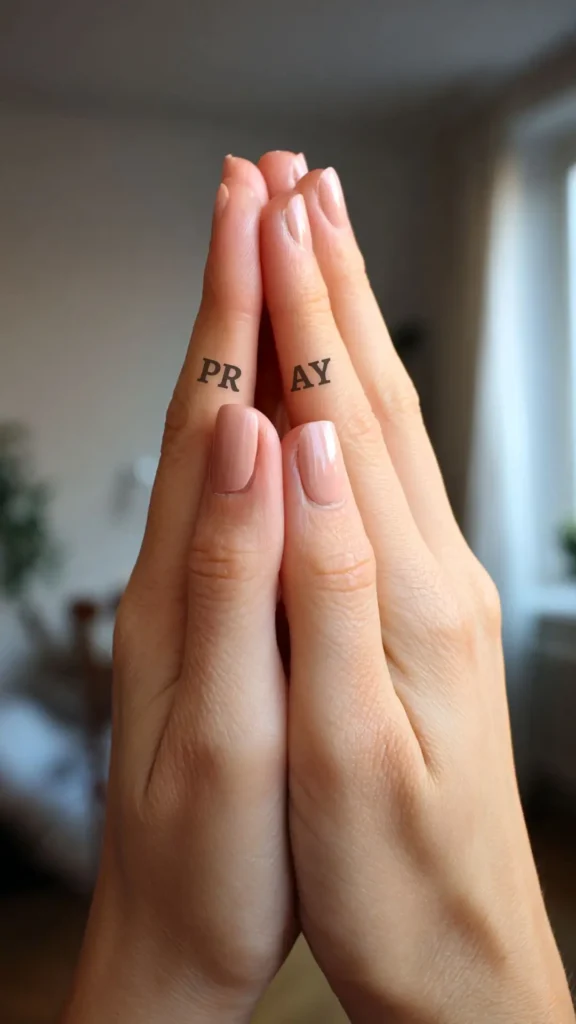
Words carry weight. That’s why text-based tattoos stay popular. A pray tattoo with clean wording feels direct and honest. I’ve found that shorter phrases work best over time. They stay readable. They age better.
Simple wording doesn’t mean shallow meaning. In fact, it often does the opposite. One word can hold years of intention. Short phrases also give your artist more control over spacing and flow.
Popular wording ideas include:
- pray
- pray daily
- pray first
- keep praying
- stay prayerful
Lowercase lettering feels soft and personal. Uppercase lettering feels firm and grounded. Script fonts feel gentle. Block fonts feel steady. Each choice changes the tone slightly.
Placement matters here. Wrist tattoos feel like daily reminders. Rib tattoos stay private. Collarbone tattoos sit close to the heart. Forearm tattoos invite visibility.
Ink color also affects longevity. Black stays crisp. Soft gray fades gently. Warm brown blends naturally with skin. Bright colors can distract from the message.
Because text tattoos rely on precision, artist choice matters. Always look at healed photos. Fresh ink can hide shaky lines. Healed work tells the truth.
A prayer tattoo with simple words often becomes a quiet habit you carry.
Pray Tattoo Designs Based On Daily Habits Instead Of Beliefs
Most prayer tattoo ideas center on belief systems. This concept starts somewhere else entirely. Instead of focusing on what you believe, it focuses on what you do. A pray tattoo can represent a habit that shows up daily, quietly, and consistently. That shift makes the tattoo practical rather than symbolic.
Some women pray every morning before the house wakes up. Others pray during stress or decision-making moments. Many pray as part of winding down. When a tattoo reflects that rhythm, it becomes a cue rather than a declaration. The ink reminds you of an action, not an identity.
Designs tied to habits tend to stay simple by nature. They don’t need explanation. Placement matters here because visibility connects to routine. Wrist tattoos work well for repeated actions. Forearm placements support pauses during the day. Subtle placements still carry weight when linked to repetition.
This approach also removes pressure. You aren’t committing to a fixed meaning. You’re honoring something that supports your life now. Over time, that habit may change, deepen, or soften. The tattoo stays relevant because the action evolves naturally.
A pray tattoo built around habit often feels grounding rather than emotional. It functions like a gentle reminder instead of a symbol that demands interpretation. That practicality is rare in tattoo inspiration.
When prayer becomes part of daily movement, the tattoo becomes part of living.

Pray Tattoo Concepts That Use Negative Space As Meaning
Most tattoo designs focus on what gets added to skin. This concept focuses on what stays untouched. A pray tattoo built around negative space creates meaning through restraint. That mirrors prayer itself more closely than most designs do.
Negative space tattoos use intentional gaps, pauses, or unfinished lines. Those spaces represent silence, listening, or waiting. Instead of filling every inch, the design allows room. That choice communicates reflection without needing explanation.
This style works best with fine line execution. Clean edges matter. Balance matters even more. The open areas should feel deliberate, not accidental. When done well, the skin becomes part of the design itself.
Placement enhances the effect. Areas with natural curves work especially well. The collarbone, inner arm, and rib area allow negative space to move with the body. That movement adds dimension without adding ink.
A prayer tattoo using negative space often reads differently to different people. That flexibility adds depth. One person might see surrender. Another might see peace. Neither interpretation is wrong.
This approach also ages well. Heavy shading fades unevenly. Dense detail blurs. Open space stays clear. Over time, the design often looks cleaner than more crowded tattoos.
A pray tattoo built around what isn’t there feels intentional, calm, and quietly strong.
Designs That Change Meaning Over Time
Most tattoo ideas lock meaning in place. This approach allows meaning to grow. A pray tattoo doesn’t have to represent one season forever. It can evolve as life does.
Certain words and symbols naturally shift interpretation. The word pray might start as hope. Later, it can reflect gratitude. Eventually, it may represent peace or surrender. The design remains unchanged while the meaning matures.
This concept works best with open-ended designs. Minimal wording leaves room for interpretation. Simple symbols avoid narrowing the message. Overly specific imagery can freeze meaning too early.
Choosing a design that allows growth removes pressure. You don’t need complete clarity before committing. The tattoo becomes a marker of intention rather than a final statement. That mindset often brings relief during the decision process.
Placement can support this idea too. Areas you see often allow reflection to change naturally. Less visible placements allow meaning to develop privately. Both approaches work depending on how you process change.
A pray tattoo designed for evolving meaning often feels more forgiving. It grows alongside experiences instead of competing with them. That flexibility makes the tattoo last emotionally, not just visually.
Very few tattoo conversations address growth directly. This approach quietly honors it.
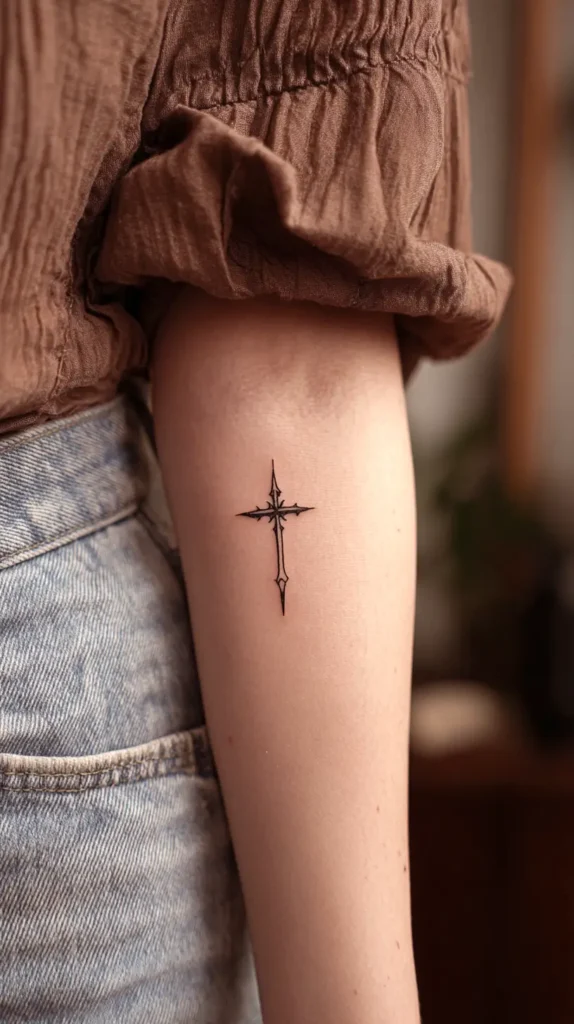
Placement Chosen By Emotion, Not Visibility
Most placement advice focuses on visibility. This idea reframes the question completely. Instead of asking who will see the tattoo, ask when you’ll need it. A pray tattoo can be placed based on emotional timing rather than appearance.
Some placements align with stress moments. Others support reflection or grounding. Wrist placements suit anxious habits. Chest placements support private prayer. Back placements suggest strength without constant viewing. Each choice serves a purpose.
This approach treats placement as access rather than display. The tattoo shows up during moments that matter, not moments that impress. That shift changes how the tattoo functions daily.
Women who choose placement this way often report stronger attachment over time. The tattoo feels supportive instead of decorative. It becomes part of coping, not branding.
Pain tolerance still matters, of course. Areas with less muscle hurt more. Healing time varies based on movement and friction. Those practical details remain important. However, emotional usefulness becomes the guiding factor.
A prayer tattoo placed for emotional access often feels intuitive. You may notice the spot makes sense before you can explain why. That clarity usually signals the right choice.
Placement chosen this way turns the tattoo into a quiet support system you carry.
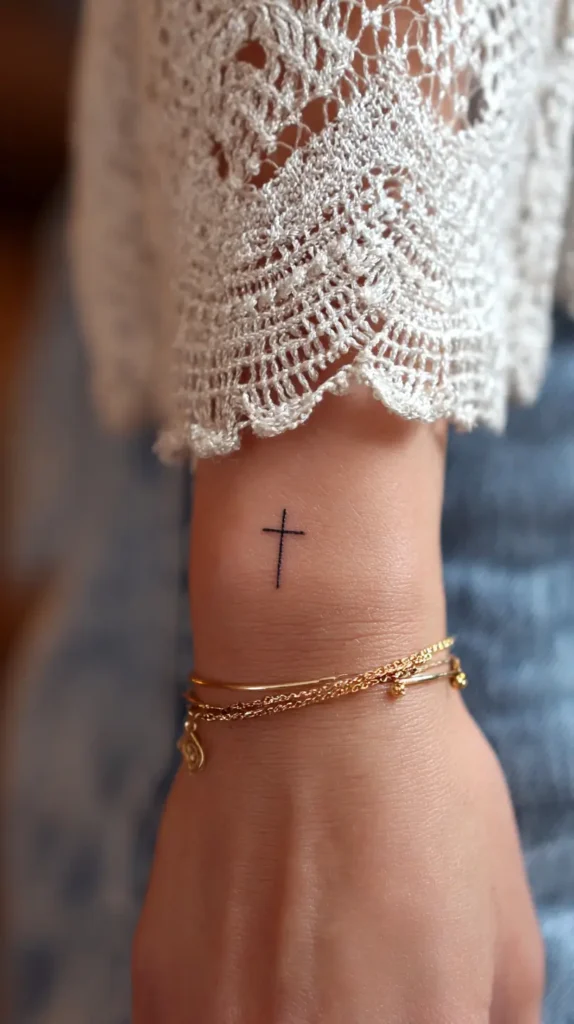
Pray Tattoo Symbols That Speak Without Text
Not everyone wants words. Symbols offer meaning without explanation. A pray tattoo using imagery alone feels subtle and personal. I’ve found this style appeals to women who value privacy.
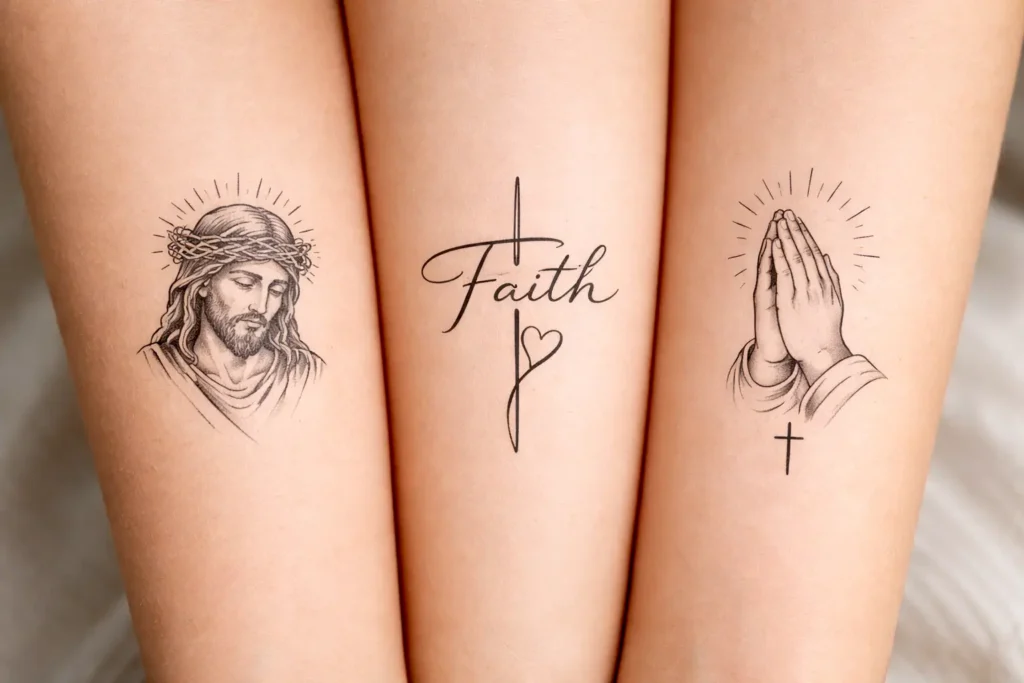
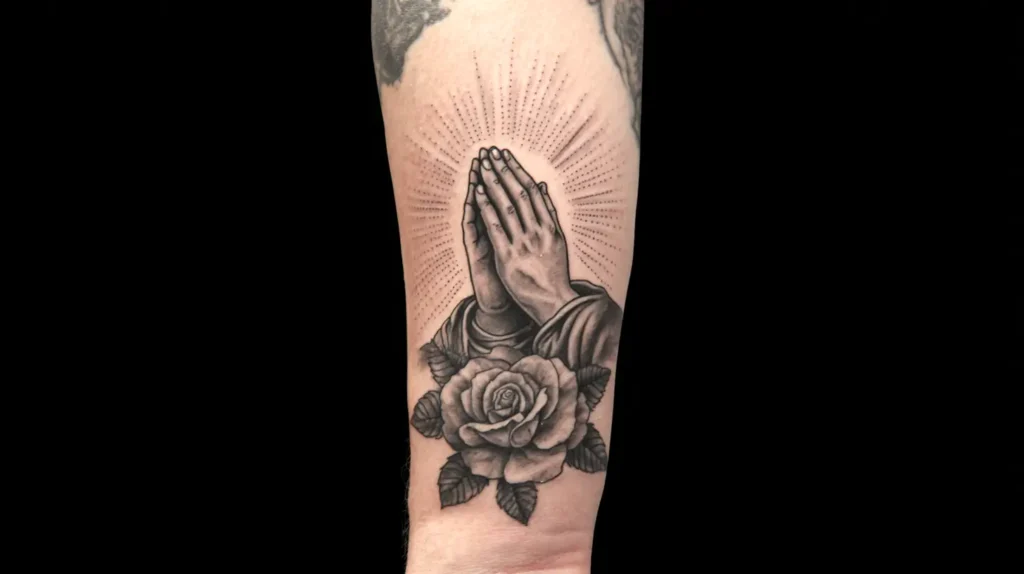
Praying hands remain a classic symbol. They represent humility, hope, and devotion. Minimal line versions age better than highly detailed ones. Too much shading can blur over time.
Other common symbols include:
- crosses
- doves
- olive branches
- rosaries
- candles
Each symbol carries its own message. Doves suggest peace. Olive branches suggest faith. Candles suggest reflection. Rosaries suggest devotion. You don’t need to explain any of them.
Symbol tattoos work well in smaller sizes. Ankles, shoulder blades, and upper arms suit them nicely. These placements allow meaning without constant exposure.
Many women combine symbols with light elements. A small ray. A subtle outline. A soft curve. Those details add depth without clutter.
A symbol-based prayer tattoo often becomes something only you fully understand. That privacy becomes part of its strength.
Minimal Pray Tattoo Designs That Age Well
Minimal tattoos last longer. That matters with prayer themes. A pray tattoo doesn’t need decoration to matter. I’ve found that restraint often creates the strongest impact.
Minimal designs rely on clean lines and space. They avoid heavy shading. They skip extra flourishes. The result feels calm and intentional.
Popular minimal ideas include:
- tiny script on the wrist
- single-line praying hands
- small cross behind the arm
- micro lettering near the ankle
- fine-line symbol near the collarbone
Placement enhances minimal tattoos. Inner wrists feel grounding. Side fingers feel discreet. Behind-the-ear placements stay subtle. These spots suit small designs well.
Minimal tattoos also leave room for growth. You can add later if you want. That flexibility matters as meaning evolves.
Because prayer itself is simple and steady, minimal designs often mirror that truth.
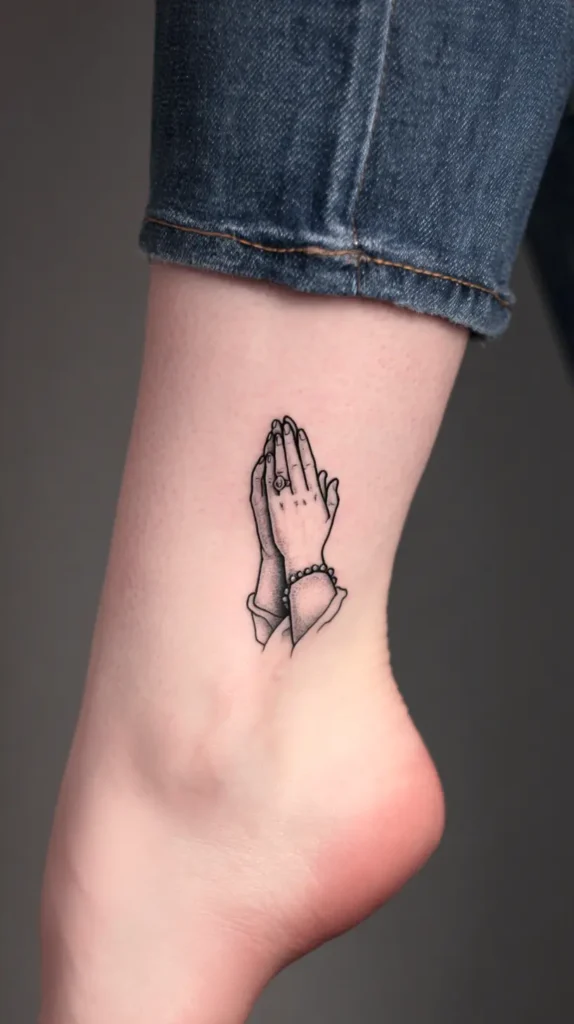
Pray Tattoo Placement And What It Communicates
Placement changes how a tattoo functions. A prayer tattoo placed thoughtfully shifts from private reminder to outward statement. I’ve noticed placement matters as much as design.
Wrist placements feel personal and routine-based. You see them during everyday moments. Forearm placements feel open and visible. Rib placements stay intimate.
Other placement ideas include:
- collarbone for intention
- ankle for grounding
- shoulder for strength
- chest for devotion
- spine for alignment
Pain levels vary by area. Places with less muscle hurt more. Healing time also changes based on friction and movement. Those details matter when choosing placement.
Think about how often you want to see the tattoo. Also think about who you want to see it. Placement answers both questions naturally.
A prayer tattoo placed with intention becomes part of daily rhythm.
Pray Tattoo Ideas Inspired By Prayer Language
Some women want wording inspired by prayer without quoting scripture. A pray tattoo can reflect devotion without full verses. I’ve found this approach feels timeless.
Short phrases inspired by prayer language work well. They stay readable and flexible. Examples include:
- trust God
- remain faithful
- seek peace
- stay grounded
- keep the faith
Latin phrases sometimes appeal to women wanting subtle meaning. However, accuracy matters. Always verify translations before committing.
Prayer-inspired wording pairs well with symbols. A short phrase plus a small cross adds balance. A word paired with a line element adds flow.
Avoid long passages. Small tattoos struggle with dense text. Short phrases keep clarity over time.
This approach allows meaning without explanation. That quiet confidence resonates.
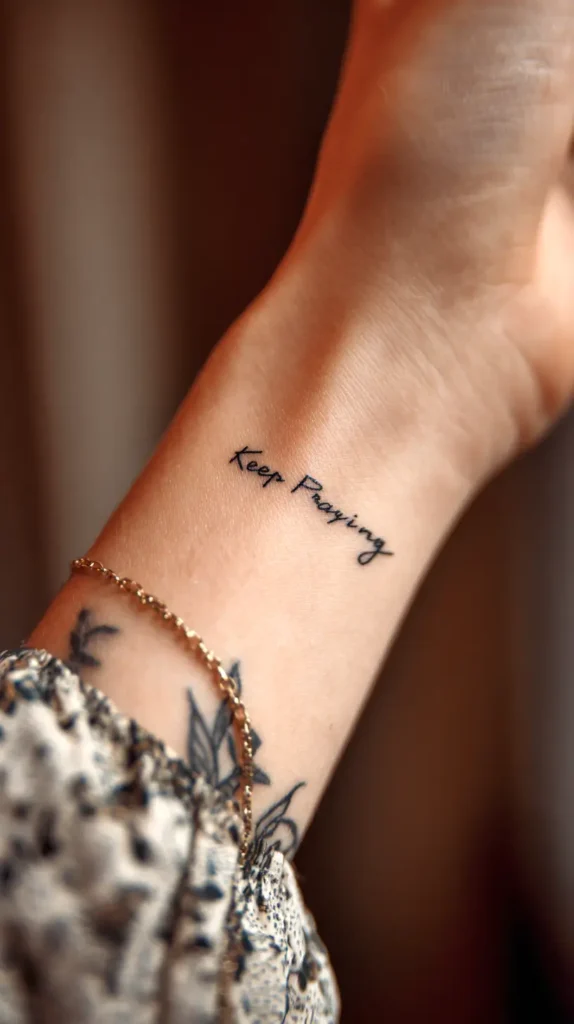
Pray Tattoo Styles That Grow With You
Tattoos should age well. A pray tattoo works because prayer itself evolves. I’ve seen these designs stay relevant across life stages.
Younger women often choose fine-line styles. They value flexibility. Mothers often choose designs tied to protection or grounding. Older women often prefer simple symbols with depth.
Styles that last include:
- fine-line black ink
- clean script
- simple outlines
- light shading
Avoid trend-heavy elements. Oversized fonts and crowded layouts date quickly. Prayer-inspired tattoos benefit from simplicity.
When a tattoo aligns with values instead of phases, it lasts longer.

Pray Tattoo Designs That Balance Meaning And Beauty
A prayer tattoo can be meaningful and beautiful. The best designs balance both. I’ve found that simplicity often enhances depth.
Florals soften lettering. Geometric lines add structure. Light shading adds dimension. Balance matters more than detail.
Color works best when used sparingly. Soft neutrals age better than bright tones. When chosen carefully, color supports the message instead of distracting.
Designs that blend faith and aesthetic tend to feel complete. They don’t seek approval. They just exist with purpose.

Final Thoughts
Prayer looks different for everyone. That’s what makes prayer-inspired tattoos so personal. A prayer tattoo doesn’t need to explain itself. It can remind. It can ground. And it can steady you.
I’ve found that the most lasting tattoos focus on intention rather than trends. They allow space for growth. They respect timing. Prayer tattoos encourage reflection before commitment.
Living in Orlando, where life stays bright and busy, I value reminders that slow things down. Prayer-themed ink offers that pause. It brings stillness into motion.
If you’re collecting ideas, Pinterest can help. Save what keeps coming back. Skip what fades quickly. The right design usually repeats itself.
A pray tattoo should belong to you. When it does, the decision feels clear.