
I have a soft spot for a lemon drop martini because it sits right between playful and polished. It is bright without being sharp. It feels celebratory without being heavy. That balance matters, especially when a drink needs to work for many moments. I like recipes that earn their spot, not ones that just look cute online. This one does that every time.
I’ve found that lemon-based cocktails work well for gatherings with mixed tastes. Some guests want sweet. Others want crisp. This drink keeps everyone happy. It also looks lovely without extra effort. That always helps when hosting feels layered already.
Because I live in Florida, citrus feels natural in my kitchen. Lemons are easy to find year-round here. The flavor also fits warm evenings and breezy weekends. Still, this drink works just as well during colder months. It brings brightness when days feel heavy.
This recipe focuses on balance, not tricks. Each ingredient matters. Each step has a reason. I keep the process clear so the result stays consistent. That consistency makes this drink dependable.
I also like that the lemon drop martini scales easily. You can make one glass or a full batch. It adapts without stress. That flexibility always wins.
Throughout this post, I walk through ingredients, tools, technique, and variations. I also explain why each step works. That context helps the recipe stick. It turns a drink into something you can repeat confidently.
If you like cocktails that feel intentional but never fussy, this one fits. It is classic for a reason. And once you make it once, it tends to stay in rotation.
Some of the links on this page are affiliate links, which means that if you click on them and buy something, I might get a small commission. But don’t worry; it never costs you more. You can peek at my full disclosure if you’re curious about the fine print.
Why Lemon Drop Martini Balance Matters
A lemon drop martini only works when balance leads every choice. Too sweet and it feels flat. Too tart and it turns harsh. I’ve found that proper balance creates a drink people remember. That memory keeps them asking for another round.
First, acidity sets the tone. Fresh lemon juice brings brightness that bottled juice never matches. Because of that, squeezing lemons matters. The juice cuts through vodka cleanly. It also wakes up the palate fast.
Next, sweetness supports the lemon. Simple syrup smooths the edges. However, too much syrup masks the citrus. Therefore, measured sweetness keeps the drink crisp.
Vodka provides structure. A clean vodka works best. Flavored options add noise. Instead, neutral vodka lets lemon shine. That restraint matters.
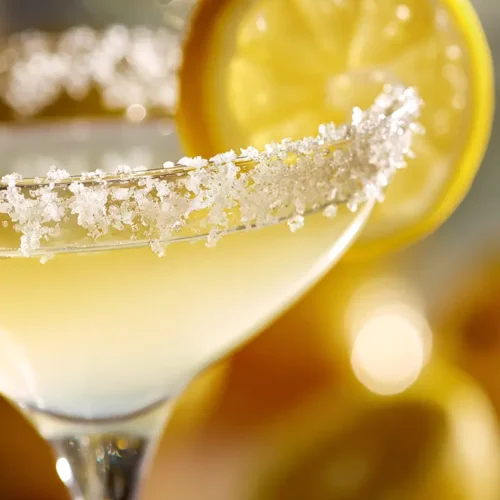
Sugar on the rim adds contrast. Each sip starts sweet, then turns bright. That progression keeps the drink interesting. Without it, the lemon drop martini feels unfinished.
Temperature also plays a role. A well-chilled cocktail stays smooth. Warm vodka tastes sharp. Therefore, ice matters more than people think.
Because balance depends on precision, measuring matters. Guessing ruins consistency. I always measure, even casually. That habit protects the drink.
Once you understand balance, adjustments feel easier. You can tweak sweetness or acidity slightly. Still, the core remains stable.
This approach keeps the lemon drop martini reliable. It tastes good every time. That reliability builds confidence. Confident recipes stay popular.

Ingredients For Lemon Drop Martini Success
Ingredients make or break a lemon drop martini. Each one needs to earn its place. I keep this list tight for a reason. Extra ingredients only distract.
Here is what you need for one classic lemon drop martini:
- 2 ounces vodka
- 1 ounce fresh lemon juice
- ¾ ounce simple syrup
- Ice, for shaking
- Granulated sugar, for rim
- Lemon peel or lemon wheel, for garnish
Vodka should be smooth. Mid-range brands work well. Expensive bottles are unnecessary here. However, harsh vodka ruins the drink. Choose clean and neutral.
Fresh lemon juice matters. Bottled juice lacks brightness. It also tastes dull. Because lemon drives the flavor, freshness matters.
Simple syrup should be fully dissolved. Grainy syrup creates texture problems. I use a one-to-one ratio of sugar to water. That keeps sweetness balanced.
Ice chills and dilutes slightly. That dilution softens alcohol bite. Therefore, use plenty of ice.
Granulated sugar rims the glass cleanly. Powdered sugar dissolves too fast. Coarse sugar feels gritty. Regular granulated sugar works best.
The garnish stays simple. Lemon peel adds aroma. A lemon wheel adds visual appeal. Both work well.
Because this recipe uses few ingredients, quality matters. Each element shows. That simplicity also keeps prep easy.
Once you gather everything, the process moves quickly. No special tools are required. A shaker and strainer handle the job.
This ingredient list stays classic for a reason. It works every time. That reliability matters.

How To Make A Lemon Drop Martini Step By Step
This lemon drop martini follows a clear process. Each step builds flavor. Skipping steps changes the result.
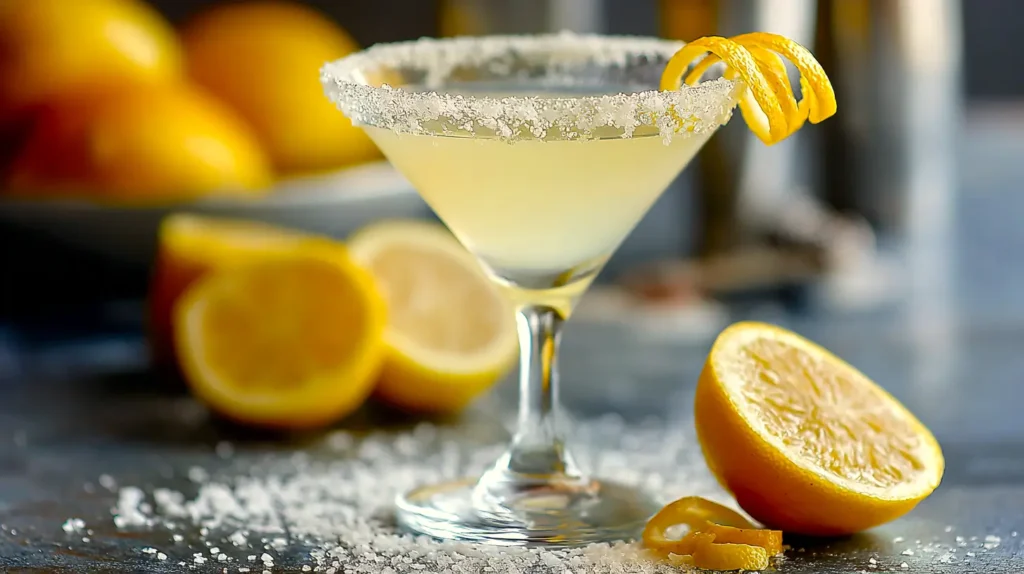
First, prepare the glass. Run a lemon wedge around the rim. Then dip the rim into granulated sugar. Set the glass aside to dry.
Next, fill a cocktail shaker halfway with ice. Cold ice chills faster. That helps texture.
Add vodka, fresh lemon juice, and simple syrup to the shaker. Measure carefully. Precision protects balance.
Seal the shaker tightly. Then shake vigorously for 15 seconds. Shaking chills the drink and blends flavors. You should see condensation form.
After shaking, strain the mixture into the prepared glass. A fine strain creates a smooth finish. That step removes ice shards.
Finally, garnish with a lemon peel or wheel. Express the peel slightly if using one. That releases oils.
Serve immediately. This drink tastes best fresh. Waiting dulls brightness.
Here is the full step list again for clarity:
- Rim a martini glass with lemon and sugar
- Fill shaker with ice
- Add 2 ounces vodka
- Add 1 ounce fresh lemon juice
- Add ¾ ounce simple syrup
- Shake hard for 15 seconds
- Strain into prepared glass
- Garnish with lemon peel or wheel
Because the process stays simple, mistakes stay minimal. That simplicity builds confidence.
I’ve found that clear steps make hosting easier. You can repeat the process quickly. That speed helps when serving multiple guests.
Once you make one, the rhythm sticks. After that, the lemon drop martini becomes second nature.

Simple Syrup Tips That Actually Matter
Simple syrup sounds basic, yet it matters more than expected. Poor syrup ruins balance. Good syrup disappears into the drink.
To make simple syrup, combine equal parts sugar and water. Use 1 cup sugar and 1 cup water. Heat gently until sugar dissolves. Do not boil.
Stir occasionally. Once dissolved, remove from heat. Cool completely before use. Warm syrup alters drink temperature.
Store syrup in a sealed container. Refrigerate for up to two weeks. Fresh syrup tastes cleaner.
Some people add lemon peel to syrup. That adds flavor, but it shifts balance. I prefer plain syrup. It keeps the lemon drop martini focused.
Consistency matters. Thick syrup overwhelms sweetness. Thin syrup lacks impact. One-to-one syrup stays neutral.
If syrup crystallizes, reheat gently. Stir until smooth. Avoid microwaving too hot. That can scorch sugar.
Because syrup sweetness varies slightly by brand sugar, taste matters. Adjust only slightly if needed. However, stick close to measurements.
I’ve found that homemade syrup blends better than store-bought. It dissolves evenly. That smoothness matters.
Once you make syrup once, it becomes routine. That small prep step improves every cocktail.
This simple step protects the lemon drop martini flavor. It keeps sweetness clean. That cleanliness makes the drink shine.


Glassware And Presentation That Elevate The Drink
Presentation shapes first impressions. A lemon drop martini benefits from clean lines. Simple choices elevate it.
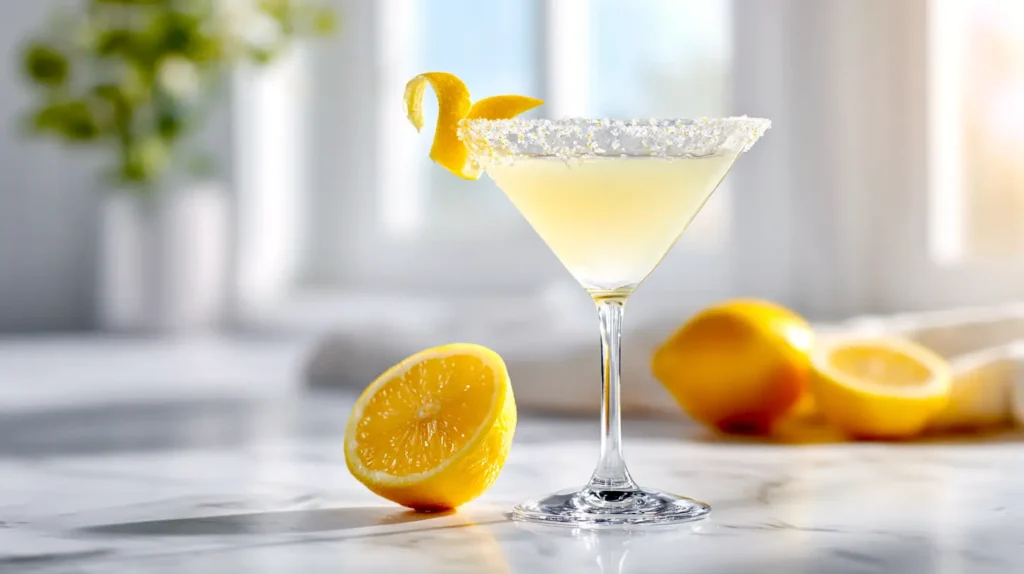
Martini glasses work best. Their wide bowl shows the sugar rim. That visual matters. Coupe glasses also work well.
Chill the glass beforehand if possible. Cold glass keeps the drink crisp. That step improves texture.
The sugar rim should be light. Thick rims overpower the sip. Dip gently, not deeply.
Wipe excess sugar from the outside. Clean lines matter. Sticky glass distracts.
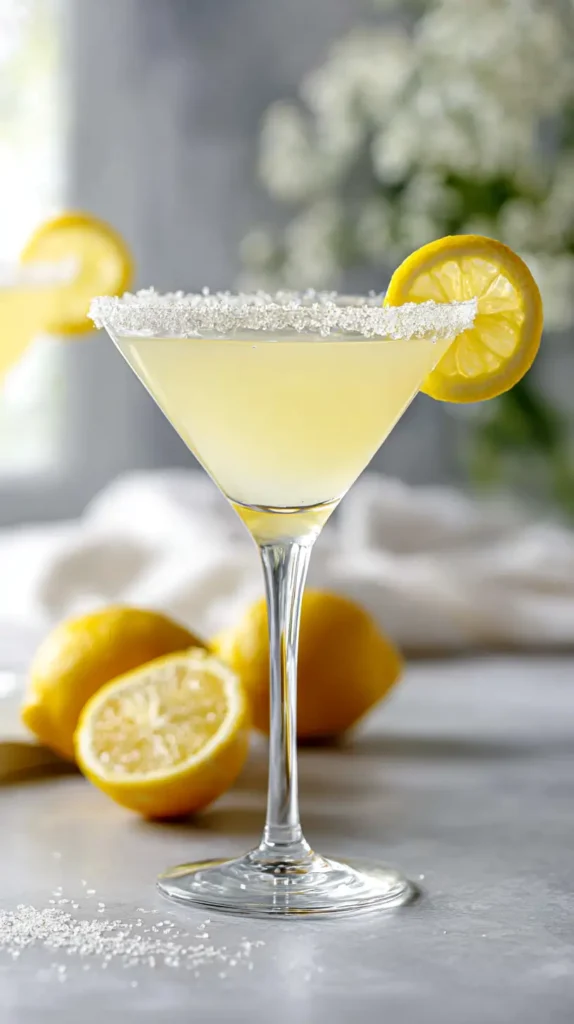
Garnish stays minimal. Lemon peel curls look elegant. Lemon wheels feel casual. Choose based on mood.
Avoid colored sugar. It changes flavor perception. White sugar keeps focus on lemon.
Place the garnish thoughtfully. Balance matters visually. Random placement looks rushed.
Serve on a small napkin. Condensation happens. Napkins protect surfaces.
Because presentation impacts enjoyment, these small details matter. They turn a drink into an experience.
I’ve found that guests notice these touches. They comment without prompting. That reaction feels rewarding.
Good presentation does not require effort. It requires intention. Intention always shows.
The lemon drop martini benefits from restraint. Clean presentation lets flavor lead.


Flavor Variations Without Losing The Classic
Variations work best when they respect the base. A lemon drop martini should stay lemon-forward. Additions should support, not replace.
Here are simple variations that work:
- Use citrus vodka for subtle depth
- Add ¼ ounce limoncello for sweetness
- Swap half the lemon juice with Meyer lemon juice
- Add a splash of orange liqueur
Each variation stays restrained. Heavy additions ruin balance.
If using limoncello, reduce simple syrup slightly. That keeps sweetness controlled.
Meyer lemons taste softer. They reduce sharpness. That works for guests sensitive to tart drinks.
Orange liqueur adds warmth. Use sparingly. Too much shifts the drink away from lemon.
Avoid cream liqueurs. They clash with citrus. Texture suffers.
Herbs rarely work here. Rosemary and basil overpower lemon. Skip them.
I’ve found that simple tweaks feel safest. Complex variations confuse the drink.
Seasonal twists should stay light. Sugared cranberries make a pretty garnish. They do not change flavor.
These variations keep the lemon drop martini recognizable. That recognition matters.
When in doubt, stick to classic. Classics last for a reason.
Hosting Tips When Serving Lemon Drop Martinis
Serving lemon drop martinis during gatherings requires planning. A little prep saves stress.
First, pre-rim glasses. Cover and refrigerate them. That step saves time later.
Next, pre-measure ingredients. Store them in labeled containers. That speeds assembly.
Keep lemons juiced, not cut. Juice oxidizes slower than sliced lemons. That protects flavor.
Have extra ice ready. Warm ice melts fast. Cold ice chills better.
Shake drinks individually. Batching reduces foam. Individual shakes improve texture.
Offer water alongside cocktails. Hydration matters. Guests appreciate it.
Because lemon drop martinis taste bright, they pair well with light snacks. Salty bites balance sweetness.
Avoid serving with heavy desserts. That overwhelms the palate.
I’ve found that clear workflow reduces hosting fatigue. Preparation creates calm.
This drink suits both casual and polished events. It adapts easily.
Guests often request seconds. That popularity proves its appeal.
A well-made lemon drop martini sets the tone. It signals care without stress.
Lemon Drop Martini
Ingredients
- 2 ounces vodka
- 1 ounce freshly squeezed lemon juice
- ¾ ounce simple syrup
- Ice
- Granulated sugar for the rim
- Lemon wedge or lemon twist for garnish
Instructions
- Chill a martini glass in the freezer for at least 5 minutes.
- Pour a small amount of granulated sugar onto a shallow plate.
- Run a lemon wedge around the rim of the chilled glass.
- Dip the rim into the sugar until evenly coated.
- Fill a cocktail shaker halfway with ice.
- Add 2 ounces vodka to the shaker.
- Add 1 ounce freshly squeezed lemon juice to the shaker.
- Add ¾ ounce simple syrup to the shaker.
- Secure the lid on the shaker tightly.
- Shake vigorously for 15 seconds until well chilled.
- Strain the cocktail into the prepared martini glass.
- Garnish with a lemon wedge or lemon twist.

Last Few Thoughts
Some recipes stay because they earn trust. The lemon drop martini does exactly that. It shows up. It performs. and it never overcomplicates the moment.
I like drinks that respect ingredients. This one does. Lemon leads. Sweetness supports. Vodka stays clean. That structure feels thoughtful.
Because I live in Florida, citrus flavors fit my lifestyle naturally. Still, this drink travels well anywhere. It brings brightness even on gray days.
I’ve found that people relax around familiar drinks. They settle in faster. Conversation flows easier. That matters.
This recipe also photographs beautifully. The sugar rim catches light. The pale color feels fresh. It performs well on Pinterest without styling tricks.
I return to this drink often. Not because it trends. Because it works.
Every step here serves a purpose. Nothing distracts. That focus keeps the result consistent.
If you want a cocktail that feels polished but easy, this one delivers. It respects your time. It respects your guests.
The lemon drop martini earns its place. That is why it lasts.
When a recipe stays simple and reliable, it becomes part of your rhythm. This one fits there comfortably.