
I love recipes that quietly remove stress, and French toast bake does that better than almost anything else I make. It’s breakfast that feels thoughtful without requiring me to stand at the stove half-awake. I don’t need to flip slices, time batches, or keep plates warm. Instead, everything happens ahead of time, which immediately makes mornings calmer.
I’ve found that when breakfast is already planned, the whole day starts differently. Coffee tastes better. Conversation flows more easily. I’m not mentally juggling steps while trying to wake up. This French toast bake gives me that gift, and I never get tired of it.
Since I live in Florida, mornings warm up fast, even early. Because of that, I gravitate toward oven recipes that don’t require hovering. I can turn the oven on, set a timer, and move on with my morning. That matters more than people realize.
This recipe walks through everything clearly and honestly. I’m sharing exact ingredients, precise measurements, and step-by-step instructions, but I’m keeping the tone relaxed. Cooking should sound friendly, not clinical. I want this to read like someone talking you through it, not lecturing.
I’m also explaining why things work, not just how. Once you understand the rhythm of this French toast bake, it becomes second nature. That confidence changes how you approach breakfast entirely. And once that happens, this recipe stops feeling like a special occasion dish and starts feeling like a reliable solution.
Some of the links on this page are affiliate links, which means that if you click on them and buy something, I might get a small commission. But don’t worry; it never costs you more. You can peek at my full disclosure if you’re curious about the fine print.
Why French Toast Bake Fits Real Life So Well
I keep coming back to French toast bake because it works with real schedules, not ideal ones. I don’t always want to cook first thing in the morning. Sometimes I want breakfast to already be decided. This recipe allows that without sacrificing quality or comfort.
I’ve found that baking everything together removes a surprising amount of pressure. Instead of standing at the stove flipping slices one at a time, I let the oven handle the work. Because of that, mornings feel calmer and more intentional.
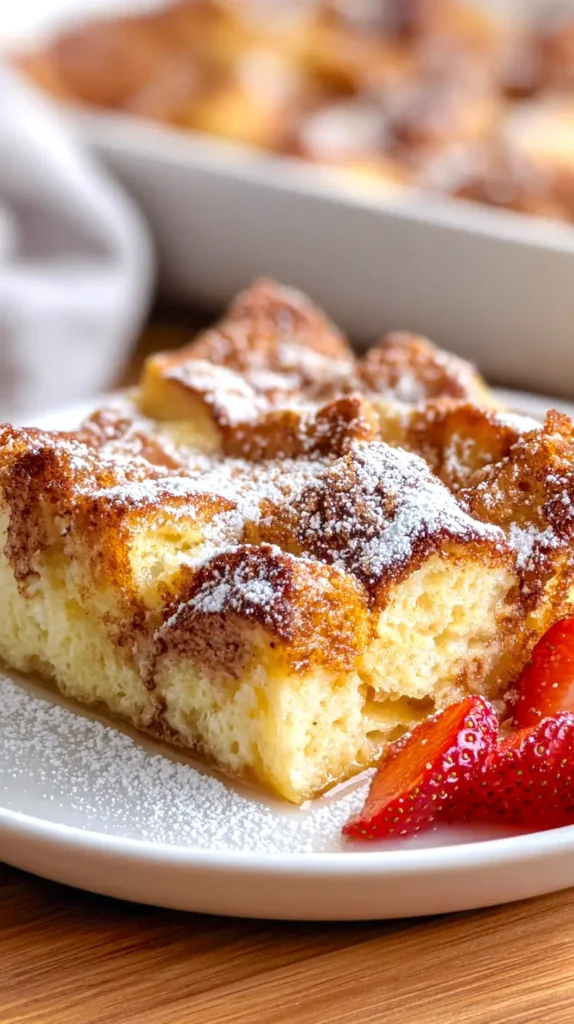
Another reason this works so well is texture. The inside stays soft and custardy, while the top turns lightly crisp. That contrast keeps each bite interesting. Nothing tastes soggy or dry when the ratios stay balanced.
French toast bake also scales beautifully. Whether I’m feeding my household or setting out brunch for guests, the method stays the same. I don’t need extra pans or complicated timing. Everything bakes in one dish, which simplifies cleanup.
Because the custard soaks into the bread slowly, the flavor deepens naturally. Cinnamon and vanilla don’t sit on the surface. Instead, they settle into the bread. That creates a cohesive taste rather than separate layers.
I also appreciate how forgiving it is. Even if timing shifts slightly, the bake holds its structure. It doesn’t collapse or overcook quickly. That reliability builds confidence over time.
This is the kind of recipe that quietly becomes a habit. Once it’s in rotation, it solves problems before they appear. That’s exactly why it earns its place.

Ingredients That Build A Dependable French Toast Bake
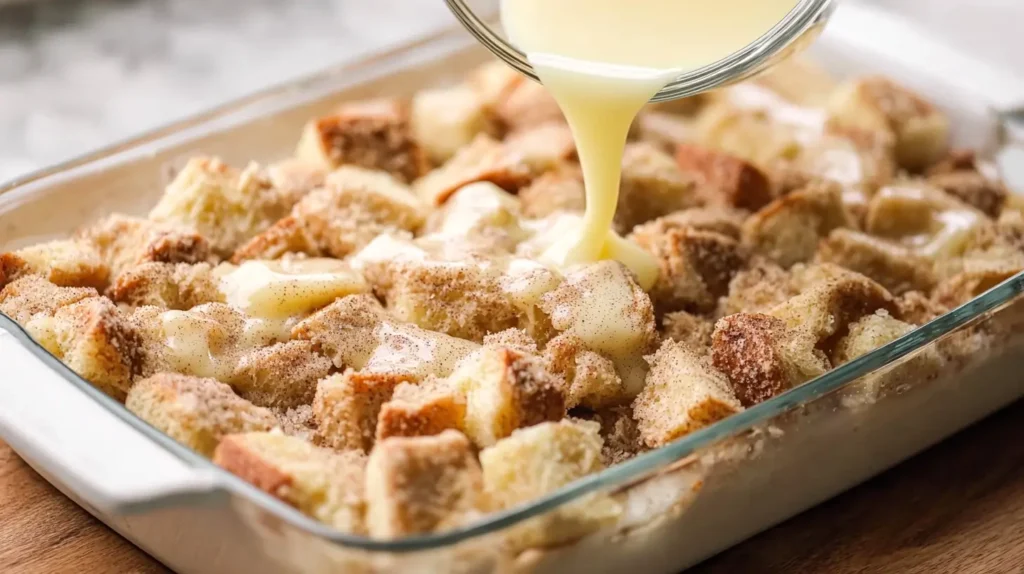
I gravitate toward recipes where every ingredient earns its spot. French toast bake relies on simple items, but each one matters. Exact measurements keep the texture right, so I don’t recommend guessing here.
For one 9×13-inch baking dish, this is what I use.
For the bake:
- 1 loaf day-old brioche or challah bread, about 16 ounces
- 8 large eggs
- 2 cups whole milk
- 1/2 cup heavy cream
- 3/4 cup granulated sugar
- 1/4 cup light brown sugar, packed
- 2 tablespoons unsalted butter, melted
- 2 teaspoons vanilla extract
- 2 teaspoons ground cinnamon
- 1/4 teaspoon ground nutmeg
- 1/2 teaspoon salt
For the topping:
- 1/2 cup light brown sugar, packed
- 1/2 cup all-purpose flour
- 1 teaspoon ground cinnamon
- 1/4 teaspoon salt
- 6 tablespoons cold unsalted butter, cubed
Optional for serving:
- Powdered sugar
- Maple syrup
- Fresh berries
I’ve found that brioche and challah perform best here. They absorb custard evenly without collapsing. Regular sandwich bread tends to break down too much once soaked.
Whole milk and cream work together intentionally. Milk keeps things light, while cream adds richness. Removing either one changes the final texture noticeably.
Using both brown and white sugar matters. Brown sugar adds depth. Granulated sugar keeps sweetness clean. Cinnamon leads the flavor, while nutmeg stays subtle but important.
Cold butter in the topping creates crisp pockets as it bakes. Because of that, keeping it cold matters more than it seems.
Every ingredient supports structure and flavor. When measured carefully, the bake turns out balanced every time.
Step-By-Step Instructions For French Toast Bake
I like instructions that don’t rush me. This French toast bake follows a calm sequence, and each step builds confidence. Taking it slowly improves the result.
Start by generously buttering a 9×13-inch baking dish. Cut the bread into 1-inch cubes and spread them evenly in the dish. I keep the surface level so soaking stays consistent.
Crack the eggs into a large bowl and whisk until fully combined. Add the milk, heavy cream, granulated sugar, brown sugar, melted butter, vanilla, cinnamon, nutmeg, and salt. Whisk again until the custard looks smooth and uniform.
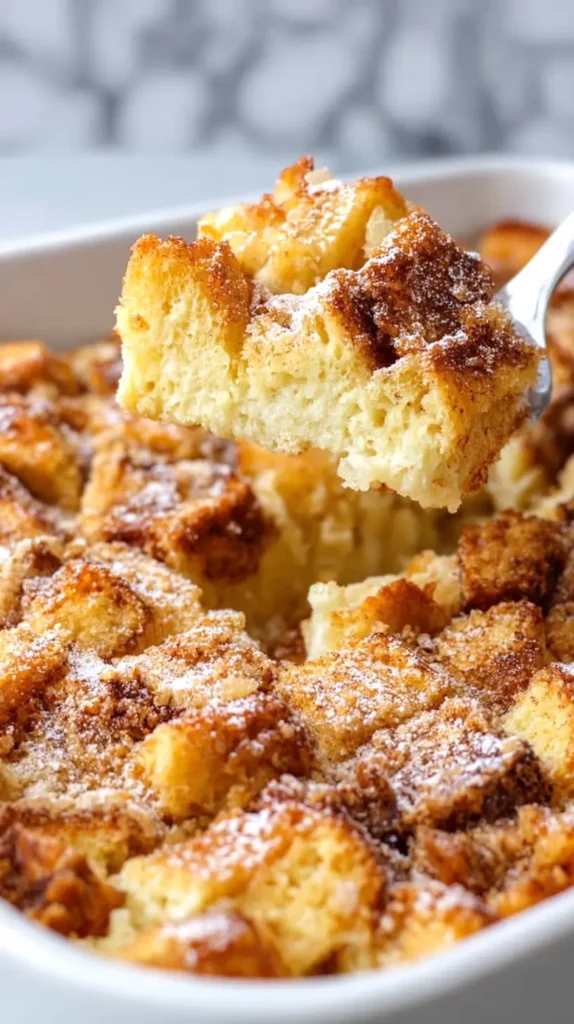
Pour the custard evenly over the bread cubes. Use a spatula or clean hands to gently press the bread down. I make sure every piece touches liquid, because dry spots stay noticeable later.
Cover the dish tightly with plastic wrap or foil. Refrigerate for at least 4 hours, although overnight works best. This rest allows the bread to absorb the custard fully.
When ready to bake, preheat the oven to 350°F. While the oven heats, remove the dish from the refrigerator. This helps the bake cook evenly.
For the topping, mix brown sugar, flour, cinnamon, and salt in a bowl. Add the cold butter cubes. Use a fork or fingers to work it together until crumbly.
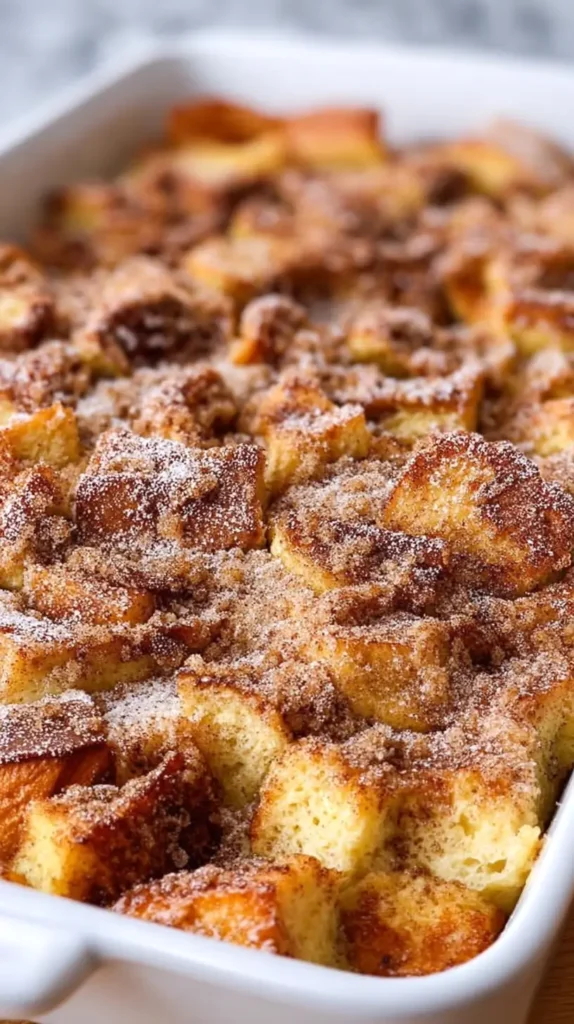
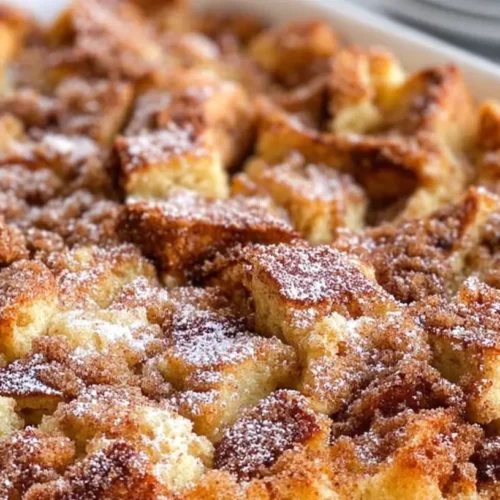
Sprinkle the topping evenly over the soaked bread. Bake uncovered for 45 to 50 minutes. The top should turn golden, and the center should set.
Let the bake rest for 10 minutes before slicing. Serve warm with desired toppings.
Overnight Timing And Prep Tips That Actually Matter
I’ve learned that timing plays a huge role in how French toast bake turns out. Rushing the soak creates uneven texture. Giving it time changes everything.
Overnight soaking produces the best result. The bread absorbs custard slowly, which keeps the center creamy without becoming mushy. If I’m short on time, four hours still works, but overnight remains ideal.
I always pull the dish out of the refrigerator while the oven preheats. This reduces temperature shock and helps the bake cook evenly. Cold centers often cause underbaking.
Because ovens vary, I rely on visual cues more than the clock. The top should puff slightly and brown. The center should jiggle gently, not ripple.
If the top browns too quickly, I loosely tent it with foil. That protects the surface while the inside finishes baking.
Resting after baking matters just as much. Ten minutes allows the custard to set fully. Cutting too soon causes the structure to collapse slightly.
For reheating later, I cover the dish and warm it at 325°F. Individual portions also reheat well in the microwave.
Once you understand the timing, the recipe feels predictable instead of stressful.
Flavor Variations That Still Respect Structure
I like recipes that invite creativity without punishment. French toast bake handles variations well when ratios stay balanced. I’ve tested enough tweaks to know what works.
For fruit versions, I add about 2 cups of berries or diced fruit. Blueberries, raspberries, and strawberries all work. I scatter them between bread layers before adding custard.
Apples need light prep. I toss 2 cups peeled, diced apples with 1 tablespoon sugar and 1/2 teaspoon cinnamon. This prevents dryness during baking.
Citrus lovers can add 1 tablespoon of orange zest to the custard. It brightens the flavor without overpowering the base.
For spice changes, I add up to 1/4 teaspoon of cardamom or ginger. These deepen warmth without competing with cinnamon.
Nut lovers can sprinkle 1/2 cup chopped pecans or walnuts into the topping. Because nuts brown quickly, I watch the bake closely.
Chocolate chips also work. I add 1/2 cup and reduce granulated sugar by 2 tablespoons. That keeps sweetness balanced.
No matter the variation, I avoid overloading the dish. Balance keeps the custard structure intact and reliable.
Serving And Storage That Make Life Easier
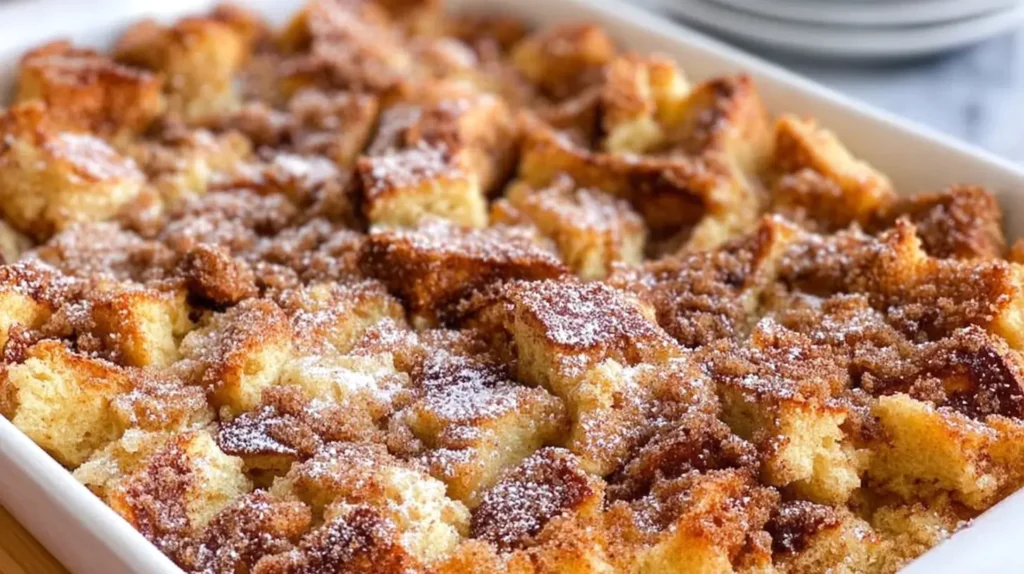
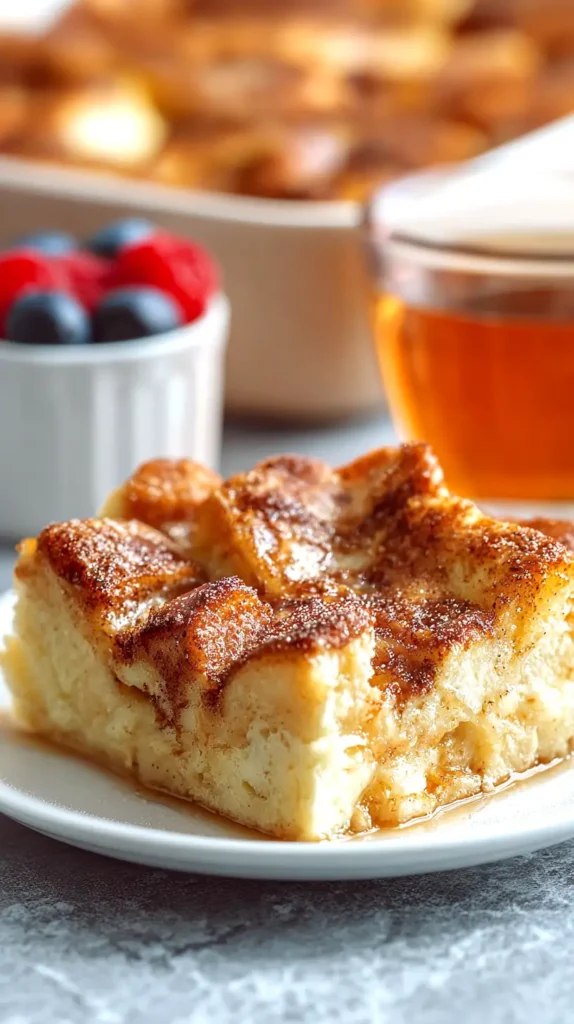
I like serving French toast bake warm, because that’s when it really gets to show off. The top has just enough crispness, the inside stays soft and custardy, and every slice comes out looking like it meant to do that. It’s the kind of breakfast that makes me look far more organized than I actually am, which is always a welcome surprise.
When it’s time to cut, I grab a sharp knife and wipe the blade between slices. I know it sounds slightly dramatic, but it works. Each square comes out neat and tidy, like I planned the whole thing instead of assembling it in pajamas the night before. Those small, almost-fussy steps make the bake feel intentional, and I enjoy pretending that was the plan all along.
I also love putting the toppings out separately. Powdered sugar, maple syrup, berries, all lined up like polite little options waiting their turn. Everyone builds their plate exactly how they want, and nothing gets buried too soon. It turns breakfast into a quiet choose-your-own-adventure, which feels both relaxed and generous.
Leftovers behave better than most breakfast foods, which I appreciate more than I probably should. I cover the dish tightly and slide it into the fridge, where it stays perfectly happy for a few days. It doesn’t dry out or turn strange, and that alone earns repeat status.
Reheating stays blissfully low effort. A gentle warm in the oven or a quick minute in the microwave brings it right back. Freezing works too when needed, which feels like bonus reliability.
All of that makes this French toast bake easy to love, easy to repeat, and surprisingly good at making mornings look far smoother than they actually are.
Mistakes I’ve Learned To Avoid With French Toast Bake
I’ve learned that small missteps can quietly change the outcome, even with a forgiving recipe like French toast bake. This dish gives a lot of grace, but it still rewards paying attention. Once I understood where things tend to go sideways, my results became far more consistent.
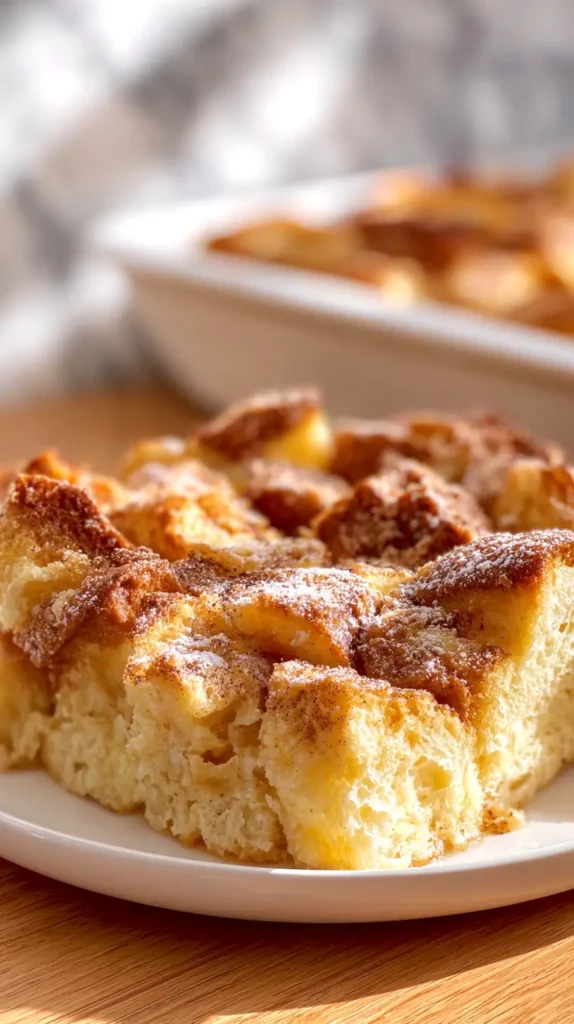
One of the biggest issues I see is bread choice. Using fresh bread almost always leads to sogginess. I’ve found that dry or day-old bread absorbs custard evenly and keeps its shape. That structure matters more than people expect.
Soak time causes another common problem. Skipping or shortening it creates uneven texture. Custard needs time to settle into the bread. When it doesn’t, some bites turn dense while others stay dry.
Baking time also deserves respect. Overbaking dries the center quickly, especially toward the end. I watch closely during the final minutes instead of walking away. On the flip side, underbaking leaves eggy pockets. If the center ripples instead of gently setting, it needs more time.
Seasoning mistakes sneak up too. Forgetting salt flattens flavor fast. Even sweet dishes need balance, and that small amount makes everything taste fuller.
Topping overload is another trap. Adding too much overwhelms the custard beneath. I stick to measured amounts so texture stays balanced.
Finally, cutting too soon causes collapse. Resting preserves structure and makes slicing cleaner.
Avoiding these mistakes doesn’t complicate the process. Instead, it makes the bake predictable, dependable, and easy to trust.
French Toast Bake
Ingredients
- 1 loaf day-old brioche or challah bread about 16 ounces, cut into 1-inch cubes.
- 8 large eggs.
- 2 cups whole milk.
- 1/2 cup heavy cream.
- 3/4 cup granulated sugar.
- 1/4 cup light brown sugar packed.
- 2 tablespoons unsalted butter melted, plus more for greasing the dish.
- 2 teaspoons vanilla extract.
- 2 teaspoons ground cinnamon.
- 1/4 teaspoon ground nutmeg.
- 1/2 teaspoon salt.
Topping
- 1/2 cup light brown sugar packed.
- 1/2 cup all-purpose flour.
- 1 teaspoon ground cinnamon.
- 1/4 teaspoon salt.
- 6 tablespoons cold unsalted butter cubed.
Instructions
- Butter a 9×13-inch baking dish generously.
- Spread the bread cubes evenly in the prepared dish.
- Crack the eggs into a large bowl and whisk until fully combined.
- Add the milk, heavy cream, granulated sugar, brown sugar, melted butter, vanilla extract, cinnamon, nutmeg, and salt to the eggs.
- Whisk until the custard mixture is smooth and well blended.
- Pour the custard evenly over the bread cubes.
- Press the bread gently into the liquid to ensure all pieces are coated.
- Cover the dish tightly with plastic wrap or foil.
- Refrigerate for at least 4 hours or overnight.
- Preheat the oven to 350°F.
- Remove the baking dish from the refrigerator while the oven heats.
- In a bowl, combine the brown sugar, flour, cinnamon, and salt for the topping.
- Add the cold butter cubes to the topping mixture.
- Use a fork or your fingers to work the butter in until the mixture is crumbly.
- Sprinkle the topping evenly over the soaked bread.
- Bake uncovered for 45 to 50 minutes, until the top is golden and the center is set.
- If the top browns too quickly, loosely cover with foil during the final minutes.
- Remove the dish from the oven and let rest for 10 minutes before serving.
- Serve warm with desired toppings.
Notes

Last Few Thoughts
I’m all about cozy breakfasts that feel a little special but don’t boss me around, which is exactly why French toast bake keeps showing up in my kitchen. It’s the kind of recipe that does the heavy lifting quietly. I can prep it ahead, walk away, and trust it to show up when everyone’s hungry and half-awake. That kind of dependability earns loyalty fast.
I’ve found that recipes like this change the mood of a morning. Instead of rushing or juggling pans, there’s space to slow down. Coffee gets poured properly. Someone lingers at the counter longer than planned. The kitchen smells warm and familiar, like something good is already happening before anyone even sits down.
Living in Florida means mornings heat up fast, sometimes before my coffee finishes brewing. Because of that, I gravitate toward recipes that let the oven do the work while I stay out of the heat. This bake fits that rhythm perfectly. It slides into the oven, fills the house with cinnamon and vanilla, and never asks me to hover or multitask.
I also love how naturally it brings people together. Plates get filled without fanfare. Forks pause mid-bite. Conversation starts without anyone competing for the stove space. Everything feels relaxed and welcoming, not rushed or loud.
And honestly, it doesn’t hurt that it photographs beautifully. It always earns its spot on Pinterest when I’m sharing breakfast ideas. It proves that comfort food can be calm, dependable, and still feel a little bit special, which is exactly why I keep coming back to it.