I’ve been thinking a lot about what lives behind my apps lately, which sounds dramatic, but stick with me. Ethiopian art has this quiet confidence that somehow manages to be bold without being bossy. Ethiopian art wallpaper designs bring that energy straight to your phone, tablet, or laptop, where we all spend more time than we probably admit. Instead of visual chaos, you get calm. Instead of trendy clutter, you get history doing its thing.
This post is all about choosing finished Ethiopian art wallpaper designs for digital devices. I’m not here to tell you to DIY anything or upload photos from your camera roll. The fun part is browsing, learning what the symbols mean, and picking artwork that already works beautifully on screens. I’ve found that when the background feels intentional, everything else feels a little less frantic.
Because I live in Orlando, my phone is basically an extension of my hand. Errands, traffic, waiting around in warm February weather, it’s always there. That makes the wallpaper more than decoration. It becomes part of daily life, whether I’m answering messages or zoning out for a minute.
In this post, I’ll break down why Ethiopian art works so well digitally, what the symbols actually represent, and how to apply wallpapers across phones, tablets, and desktops. You’ll also get step-by-step help for iPhone and Android devices. Think of this as equal parts browsing guide and art backstory, with no pressure to rush.
Some of the links on this page are affiliate links, which means that if you click on them and buy something, I might get a small commission. But don’t worry; it never costs you more. You can peek at my full disclosure if you’re curious about the fine print.
Why Ethiopian Art Works So Well as Digital Wallpaper
Ethiopian art just behaves itself on screens. The designs don’t fight for attention, which is refreshing in a world where everything wants to scream. Strong outlines and clean shapes keep wallpapers clear behind apps and widgets. That alone makes a difference.
A lot of Ethiopian art grew out of manuscripts and church murals meant to be seen from different distances. Because of that, artists designed figures and symbols to stay recognizable no matter the size. That same idea translates perfectly to phones and tablets today.
Another reason Ethiopian art wallpaper designs work so well is balance. Many pieces center the main figure or symbol, which helps avoid awkward cropping. Notifications don’t bulldoze important details, and icons don’t feel like they’re in the way.
Patterns matter here too. Ethiopian art uses repetition in a calming way, not a busy one. That rhythm makes screens feel cohesive instead of cluttered.
These features make Ethiopian art especially screen-friendly:
- Strong outlines that stay sharp
- Flat color fields that reduce visual noise
- Centered compositions that work around icons
- Patterns that scale cleanly across devices
The best part is longevity. These designs don’t feel dated after a week. They settle in and stay interesting, which is exactly what you want from something you see all day.
The Meaning Behind Common Symbols
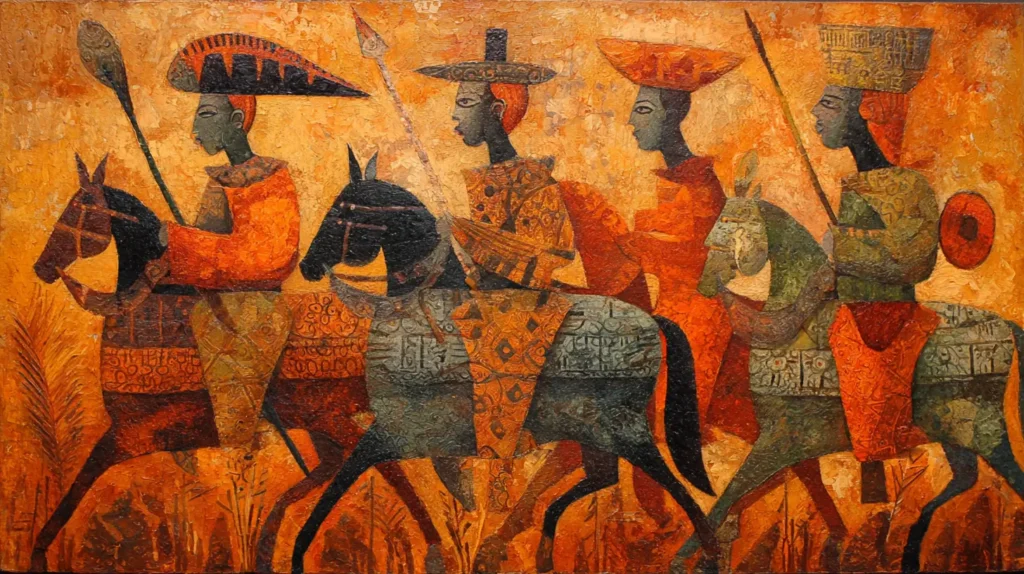
Ethiopian art isn’t random. Every symbol shows up for a reason, which is part of what makes it so compelling. These designs weren’t created just to look nice. They were meant to communicate ideas clearly.
One of the most recognizable symbols is the Ethiopian cross. Unlike Western crosses, Ethiopian versions are intricate and interwoven. Those patterns symbolize eternity and spiritual connection, with no clear beginning or end.
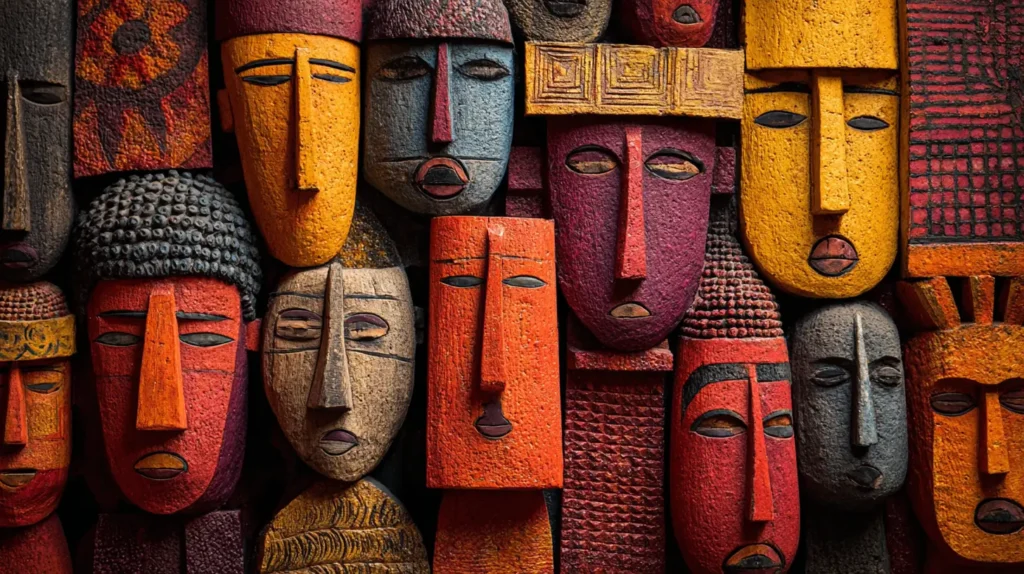
You’ll also notice large, almond-shaped eyes in many figures. They’re not about realism. Instead, they represent awareness and spiritual presence. The gaze feels direct on purpose.
Color plays a huge role too. Each shade carries meaning that repeats across centuries:
- Red often represents sacrifice or divine power
- Blue symbolizes heaven and spirituality
- Gold signals holiness and reverence
Animals appear intentionally as well. Lions represent strength and royal lineage tied to Ethiopian history. Birds often symbolize messengers between the earthly and spiritual worlds.
When these symbols show up in Ethiopian art wallpaper designs, they add depth without requiring a lesson. Even if you don’t know the history yet, the meaning still comes through visually.
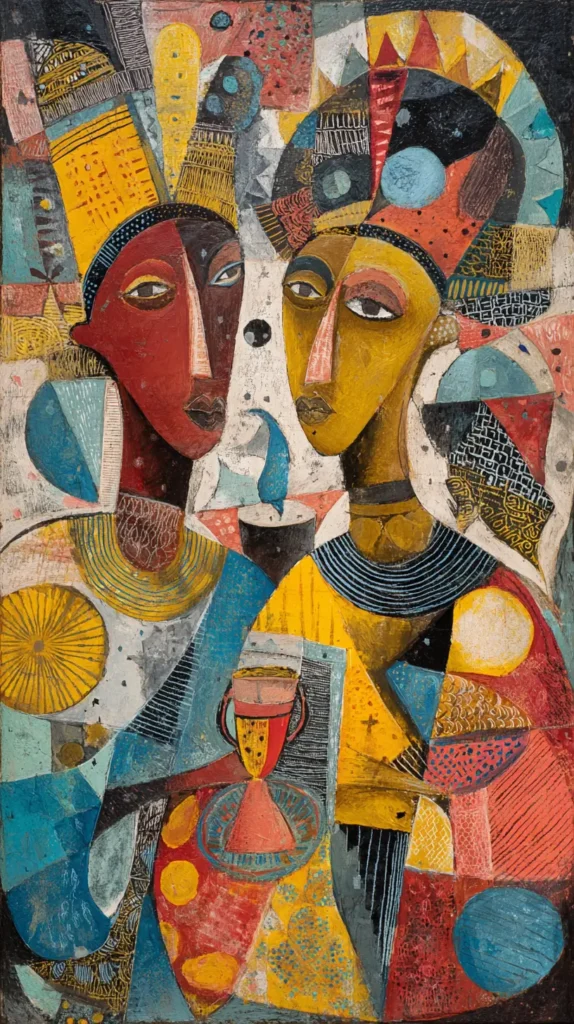
A Visual Shortcut for Meaning
Ethiopian art was never meant to be stared at for long stretches. It was designed to be understood quickly. That’s part of why it works so well as wallpaper. A single glance tells you something important without asking for your full attention. On a phone screen, that matters.
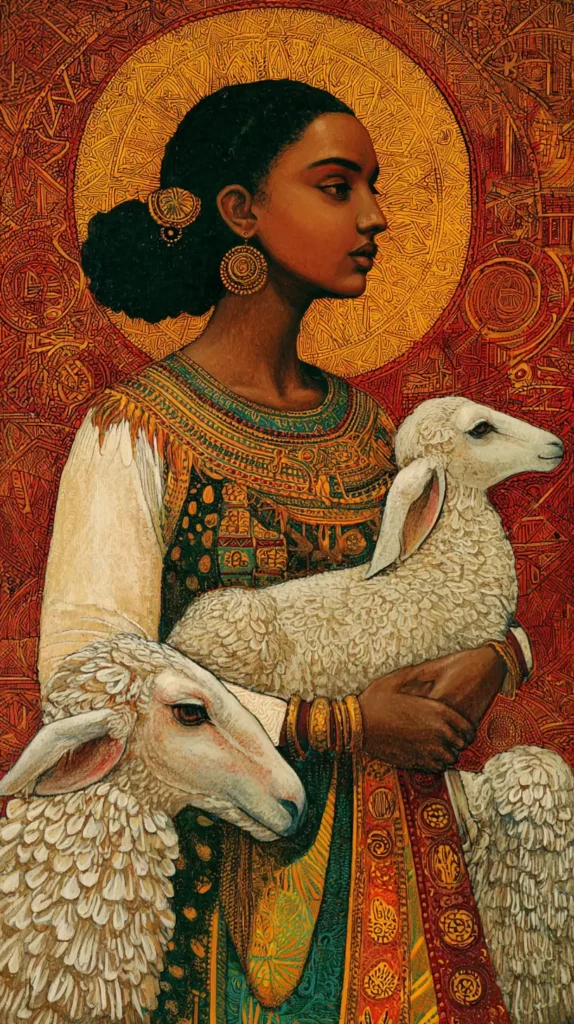
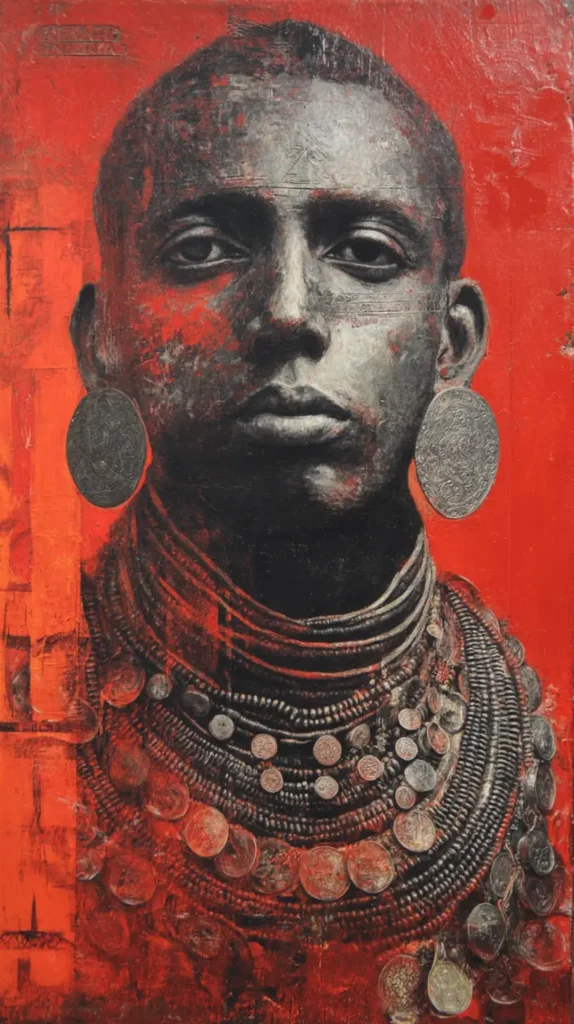
Instead of realism, Ethiopian artists focused on clarity. Faces look straight ahead. Eyes are large and direct. Nothing hides in shadows. That wasn’t an accident. In Ethiopian art, seeing equals knowing. Big eyes signal awareness, wisdom, and presence. When that imagery sits behind your apps, it still does its job.
Color choices follow the same logic. Red isn’t just red. It signals power and sacrifice. Blue points toward heaven and spirituality. Gold represents the sacred. These colors weren’t chosen for decoration. They were chosen because people recognized them instantly. Even now, those meanings land without explanation.
Many early Ethiopian artists never signed their work. The message mattered more than the maker. That tradition shaped the art itself. Everything stayed simple, direct, and purposeful. Today’s Ethiopian artists often build on that same foundation. They keep the bold lines and flat colors, but clean them up for modern eyes.
This is why Ethiopian art wallpaper designs don’t fade into the background. They communicate quietly but clearly. Your screen doesn’t just look nice. It carries intention, history, and structure. That’s a rare thing for something you unlock a hundred times a day.
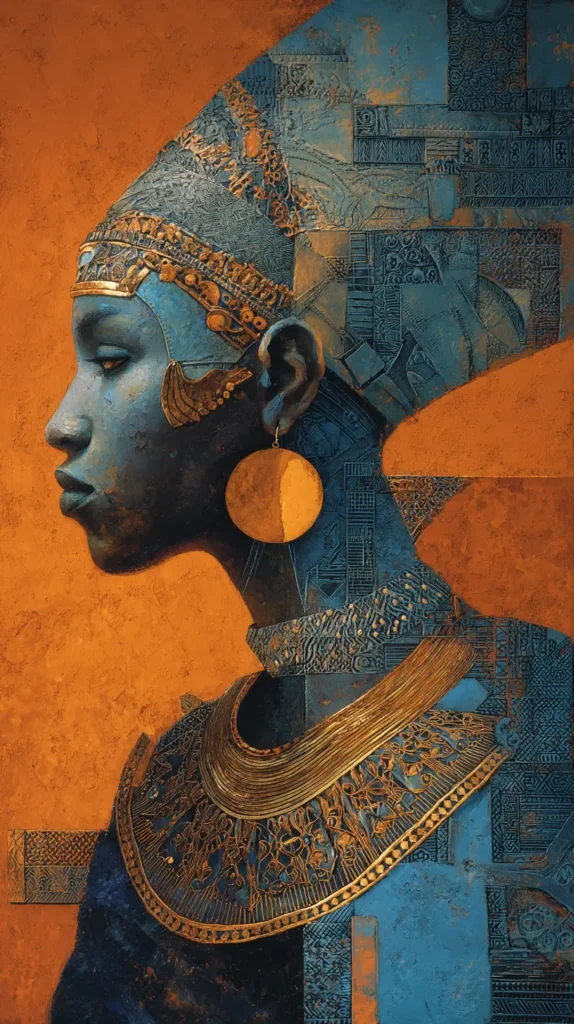
Choosing Ethiopian Art Wallpaper for Lock Screens
Lock screens have a job to do. They show the time, notifications, and alerts, sometimes all at once. That means wallpaper needs to cooperate, not compete.
Ethiopian art works beautifully here because the designs stay clear even when partially covered. Centered symbols don’t disappear behind clocks. Strong outlines keep details visible.
I’ve found that simpler compositions shine on lock screens. Busy scenes tend to get swallowed by notifications. Ethiopian art often avoids unnecessary background clutter, which helps.
When browsing Ethiopian art wallpaper designs for lock screens, look for:
- One main symbol or figure
- Minimal background detail
- Strong contrast between subject and background
- Balanced use of color
These traits keep the wallpaper readable without losing meaning. Lock screens don’t need to do everything. They just need to work.
If your phone supports depth effects or clock overlays, centered designs usually play nicest. The artwork stays visible without fighting the interface.
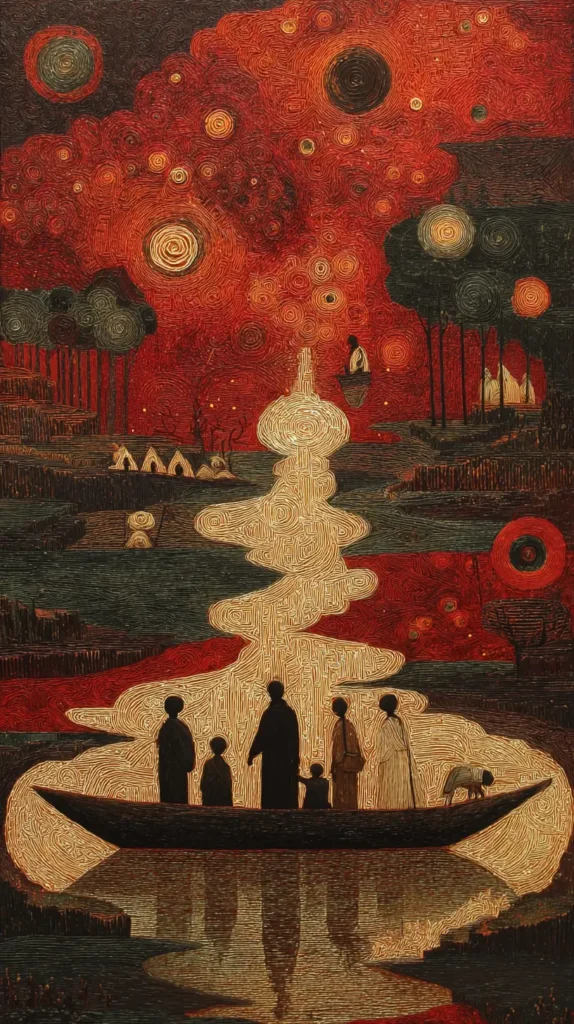
Ethiopian Art Wallpaper for Home Screens
Home screens are where apps live, so wallpapers need to be flexible. Icons move. Folders change. Widgets come and go. The background has to keep up.
This is where Ethiopian art really shines. Flat colors and repeating motifs let app icons stand out. Nothing feels visually crowded.
Patterns tend to work better than portraits on home screens. They fill space evenly and don’t lose their identity when covered. Ethiopian art includes plenty of symbolic patterns that fit this role perfectly.
Helpful features to watch for include:
- Repeating motifs instead of one focal point
- Muted or earthy color palettes
- Even spacing across the design
- No heavy gradients
These qualities make it easier to rearrange apps without rethinking the wallpaper. Ethiopian art wallpaper designs stay steady, even when layouts change.
That consistency makes home screens feel intentional instead of chaotic, which is a small but meaningful upgrade.


Ethiopian Art and the Power of Repetition on a Screen
One thing Ethiopian art does better than most styles is repetition with purpose. That might sound boring, but it’s actually the secret sauce. Repeated shapes, colors, and patterns weren’t lazy choices. They were memory tools. In a culture built on oral tradition and visual teaching, repetition helped ideas stick.
You’ll see this in crosses, borders, and background patterns. The same shapes show up again and again, sometimes with tiny variations. That repetition wasn’t meant to blend in. It was meant to remind. When you use Ethiopian art wallpaper designs, that same repetition creates visual stability on your screen. Your eyes know where to land, even before you think about it.
This matters more than we give credit for. Phones are chaotic by nature. Notifications pop up. Apps shift around. Screens change constantly. Ethiopian art pushes back against that chaos by staying consistent. The patterns don’t jump. The symbols don’t compete. Everything holds its place.
Historically, repetition also reinforced belief and identity. Seeing the same symbols daily wasn’t accidental. It shaped how people understood faith, community, and order. When those designs move onto modern devices, the effect still works. The screen stops feeling random. It starts feeling intentional.
Modern Ethiopian artists continue this approach, even in digital-friendly designs. They repeat motifs, reuse color families, and keep compositions grounded. The result is art that feels calm without being plain. Nothing feels trendy or temporary.
That’s why Ethiopian art wallpaper designs age so well. They don’t rely on novelty. They rely on structure. Over time, the repetition becomes comforting instead of dull. Your screen becomes familiar in the best way, like a favorite mug you reach for without thinking.
Using Ethiopian Art Wallpaper on Tablets
Tablets give artwork room to breathe. The larger screen allows more detail without feeling overwhelming. Ethiopian art takes advantage of that space naturally.
Patterns become immersive rather than busy. Symbols feel grounded instead of crowded. The artwork holds attention without demanding it.
Orientation matters here. Tablets rotate often, so wallpapers need to work vertically and horizontally. Ethiopian art compositions usually stay balanced either way.
When choosing Ethiopian art wallpaper designs for tablets, look for:
- Designs that remain centered when rotated
- Patterns that extend naturally across wide screens
- Artwork with breathing room near the edges
Tablets are often shared devices. Ethiopian art brings a neutral, respectful aesthetic that works across ages and tastes. Nothing feels jarring or out of place.
That versatility makes these designs a solid choice for reading, browsing, or streaming setups.

Ethiopian Art Wallpaper for Desktop and Laptop Screens
Desktops and laptops turn wallpaper into part of the environment. The screen stays visible for hours, not minutes. That changes the relationship with the artwork.
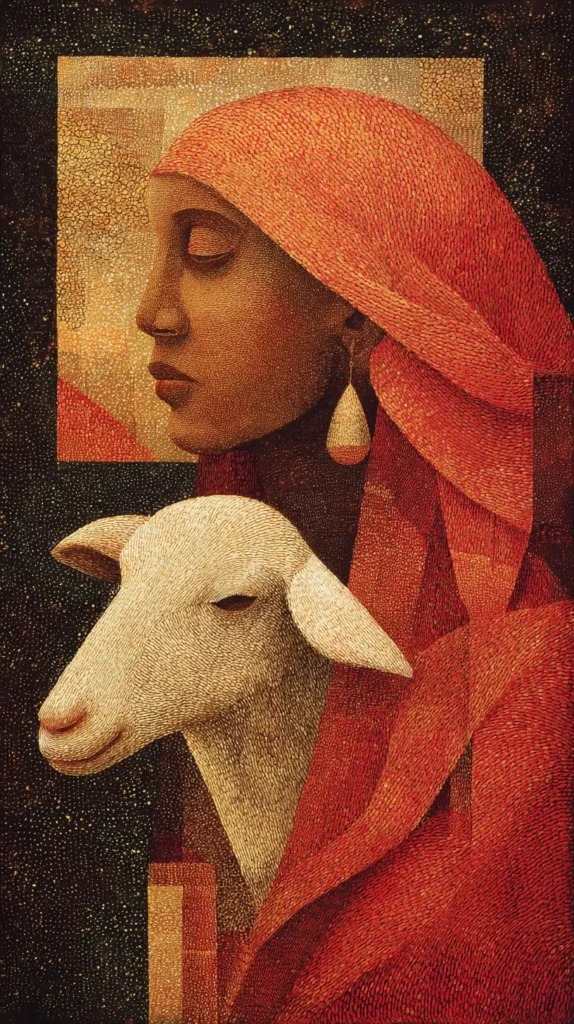
Ethiopian art holds its presence on large screens without overwhelming the space. The designs don’t rely on tiny details that disappear when scaled up. Instead, they expand confidently.
Wide screens benefit from balanced layouts. Ethiopian art often uses symmetry that prevents awkward empty corners. The result feels intentional instead of stretched.
Strong desktop-friendly traits include:
- Horizontal compositions or repeating patterns
- Centered symbols that anchor the screen
- Consistent color tones that reduce glare
On desktops, Ethiopian art wallpaper designs create a calm, focused backdrop. They work well with productivity tools, creative work, or minimal setups.
Because these designs don’t chase trends, they stay comfortable to look at long term.


How to Change Wallpaper on iPhone and Android Devices
Once you’ve picked your Ethiopian art wallpaper designs, the setup part is thankfully painless. This is not one of those moments where you need a tutorial video and deep breathing. A few taps, a little adjusting, and you’re done. The hardest part is deciding which screen gets which design.
On an iPhone, head to Settings, then Wallpaper, and tap Add New Wallpaper. Choose the image you saved and play with the positioning until it looks right. You can apply it to the lock screen, the home screen, or both, depending on your mood. Lock screens usually look best with centered designs that don’t fight the clock.
Apple lets you tweak how wallpapers interact with widgets and text. That’s where Ethiopian art really shines. Strong symbols stay visible, even when clocks and notifications show up. Patterns tend to work beautifully on home screens, where apps like to move around.
On Android, go to Settings, then Wallpaper and Style. Select your image and preview how it looks before committing. You’ll choose whether it applies to the lock screen, home screen, or both, just like on iPhone. Android gives you more freedom with scaling, which helps Ethiopian art adapt to different screen shapes.
For tablets and desktops, wallpaper settings live under display or personalization menus. Take a moment to center the artwork so symbols don’t drift awkwardly to one side. A small adjustment makes the whole screen look intentional instead of accidental.

Last Few Thoughts on Living With Ethiopian Art on Your Screens
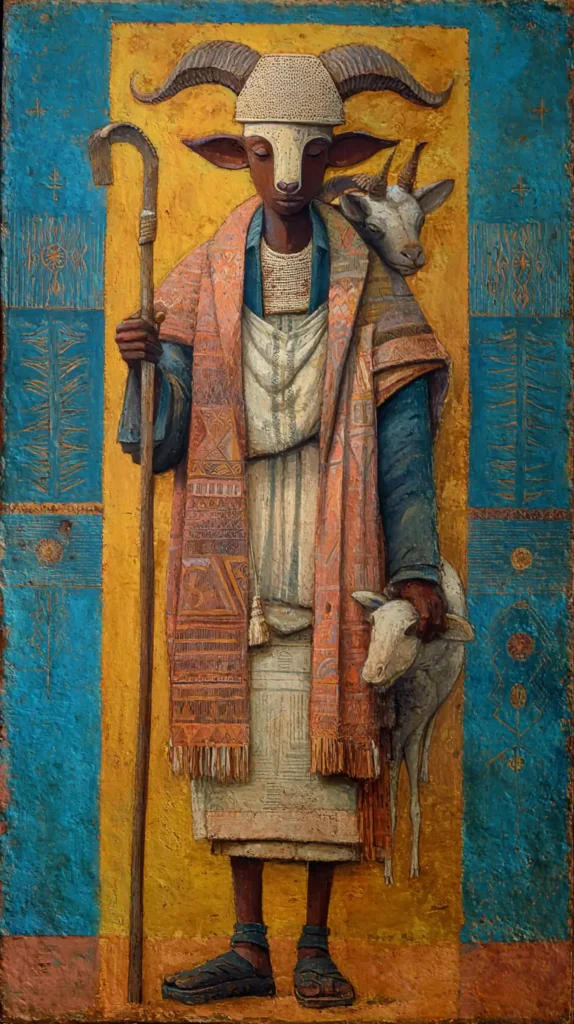
Choosing Ethiopian art wallpaper designs might not sound exciting at first. Stay with me. We spend an embarrassing amount of time staring at our screens, usually half-awake and mildly annoyed. That background matters more than we admit. Instead of another trendy blur or beige nothingness, Ethiopian art brings substance to the party. It’s history, symbolism, and visual confidence, just hanging out behind your apps like it belongs there. Because it does.
Living in Orlando means my phone is always along for the ride. Between errands, traffic, and heat that laughs at hair plans, screens are constant companions. That’s why I want something better than digital clutter greeting me every time I unlock my phone. Ethiopian art doesn’t nag. It doesn’t perform. It just shows up steady and grounded, which feels like a small gift in a noisy world.
What makes these designs stick is how comfortable they become. The colors settle in. The patterns start to feel familiar. The symbols stop being background and start being anchors. It’s not flashy. It’s reassuring. And honestly, that’s a rare quality online.
If you’re scrolling Pinterest late at night, saving ideas you swear you’ll revisit, Ethiopian art is worth pausing on. It brings depth without drama and beauty without fuss. Sometimes the best upgrades aren’t loud at all. They’re the quiet ones that make everyday moments feel a little more intentional, one unlocked screen at a time.