Dutch pancakes are the kind of breakfast that make regular pancakes look a little overdressed and underqualified. They’re big, thin, tender, and somehow more exciting before the toppings even hit the plate. I love a breakfast that sounds impressive but still feels unfussy, and this one absolutely delivers. It lands between a crepe and a pancake, which is exactly the mixed signal I enjoy.
Most people expect a stack when they hear pancakes. Then Dutch pancakes show up, broad and golden, taking over the whole plate like they own it. Honestly, fair enough. They deserve the room.
They’re soft, lightly chewy, and built for sweet toppings or savory toppings. Bacon with syrup also works, and nobody argues.
I’ve found that recipes like this make breakfast feel more fun without getting weirdly complicated. Living in Orlando, I also appreciate meals that feel special without needing the oven for ages. A skillet and a bowl? That’s my kind of commitment. The batter is simple, the cooking is quick, and the payoff looks way fancier than the effort.
Still, the best part isn’t even how they look. It’s how easy they are to shift. One pan can go sweet. The next can go savory.
Another can turn into a crispy, buttery little show-off. And once that starts happening, regular pancakes begin to seem almost emotionally flat. But the topping choice is where this gets really interesting.
Some of the links on this page are affiliate links. That means if you click and make a purchase, I may earn a small commission at no extra cost to you. If you’re curious about the fine print, you can check out my full disclosure.
Dutch Pancakes Are Not Just Skinny Pancakes
Dutch pancakes get compared to American pancakes all the time, and I get why. Both start with flour, eggs, and milk. Then each hits a pan and comes out golden. That’s where the family resemblance ends.
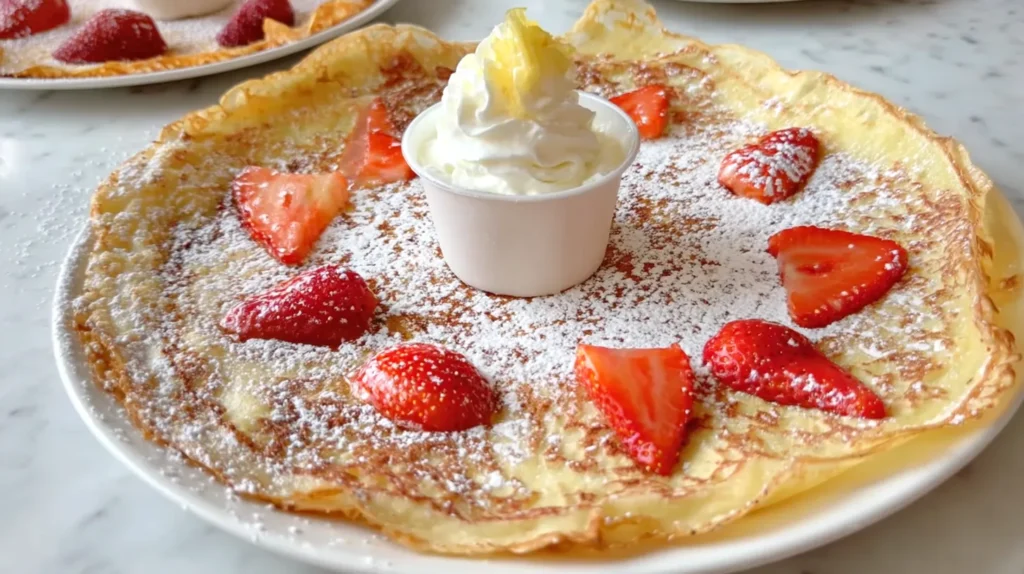
American pancakes are fluffy and stacked. Dutch pancakes are broad, thin, and a little dramatic in the best way. They cover the plate instead of piling upward. That changes everything, because the texture works more like a backdrop than a sponge.
I’ve found that people expect something delicate, almost fussy. Then they take a bite and realize these have more presence than that. They’re tender, yes, but they also have chew. They fold well, hold toppings well, and stay interesting to the last bite.
The other thing? They’re not boxed into dessert territory. Sure, syrup works. Powdered sugar works too.
But bacon, cheese, ham, mushrooms, and herbs also make complete sense here. That sweet-only mindset needs a little challenge.
And let’s talk size, because this part matters. One Dutch pancake usually fills a whole dinner plate. So instead of getting a neat little stack, you get one large pancake with actual personality. It looks more generous, even before you add anything.
That’s probably why they feel a little special without requiring much effort. There’s no towering presentation. You also avoid pancake architecture. Then you slide one onto a plate and suddenly breakfast has better manners. It’s casual, but it still knows how to make an entrance.
So no, these aren’t just thin pancakes. They’re their own thing. Once that clicks, the recipe makes way more sense. And once the batter hits butter, the difference gets even louder.

What Makes Pannenkoeken So Ridiculously Good
There’s a reason pannenkoeken inspire mild obsession. They solve several breakfast problems at once. You get fast cooking, good texture, and very little fuss. That alone puts them high on my list.
A lot of recipes promise cozy and easy. Some of them lie a little. This one doesn’t. The batter uses everyday ingredients, and the cooking method stays simple. Still, the result looks like you tried much harder.
The texture is where the charm lives. It’s softer than a crepe, yet not as eggy. Yet it’s thinner than a fluffy pancake, not flimsy. That middle ground is rare, and it works.
I also love how quickly they brown. You get those golden patches in minutes, which keeps breakfast moving. That matters on busy mornings.
I tend to notice that size changes the whole experience. Because the pancake covers the plate, toppings spread instead of piling up. Each bite stays balanced longer. You don’t get one overloaded forkful, then three boring ones.
That also means one pancake can actually satisfy you. Not in a heavy, nap-required way. In a calm, sensible way. Breakfast feels complete without turning into a stack competition. I appreciate that more than I can explain.
I’ve found that big, simple food often gets dismissed as boring. Then a recipe like this shows up and proves the opposite. The plain batter is exactly why the toppings shine. Instead, it gives them a stage.
And yes, savory versions deserve more respect. Everyone rushes toward fruit and syrup first. Meanwhile, bacon and cheese are over there making an extremely strong case. Once you notice that, Dutch pancakes become much harder to stop thinking about.

Dutch Pancakes Ingredients That Keep Things Easy
The ingredient list for Dutch pancakes is refreshingly normal. There’s no specialty flour. You won’t need a weird thickener. And there’s no ingredient that sends you roaming three aisles with a suspicious expression. It’s pantry-friendly, which I deeply respect.
This recipe makes about 6 large pancakes, depending on pan size. That usually serves 3 to 4 people. If everyone is especially hungry, plan on the lower number. These disappear faster than they look.
A 10-inch skillet works especially well here. You get a nice plate-size pancake without awkward flipping panic. That seems small, but it matters.
All measurements here use standard U.S. cups and spoons. Here’s the full lineup:
- 2 cups all-purpose flour
- 4 large eggs
- 2 1/2 cups whole milk
- 2 tablespoons granulated sugar
- 1 teaspoon fine salt
- 1 teaspoon vanilla extract for sweet versions
- 4 tablespoons unsalted butter, for the pan
- Optional savory add-in: 1/4 teaspoon black pepper
- Optional savory add-in: 1/2 teaspoon dried thyme
- Optional savory add-in: 1/3 cup finely shredded Gouda or Swiss
- Optional savory add-in: 2 tablespoons chopped chives
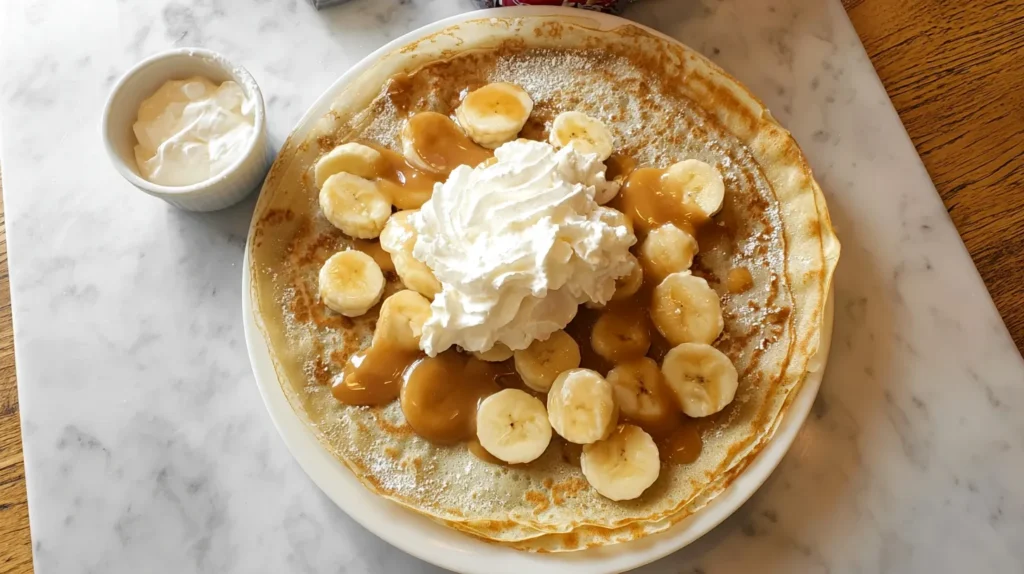
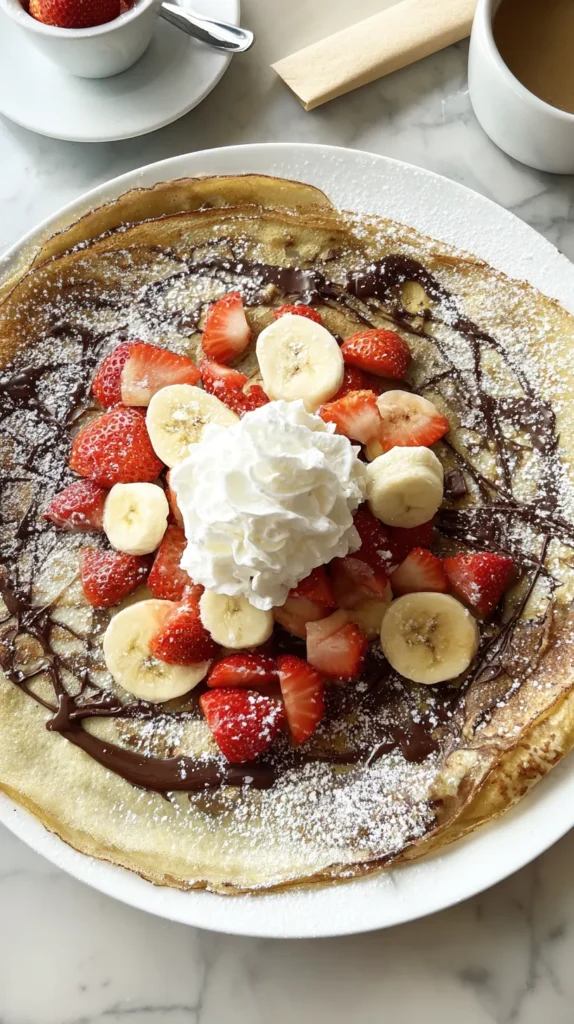
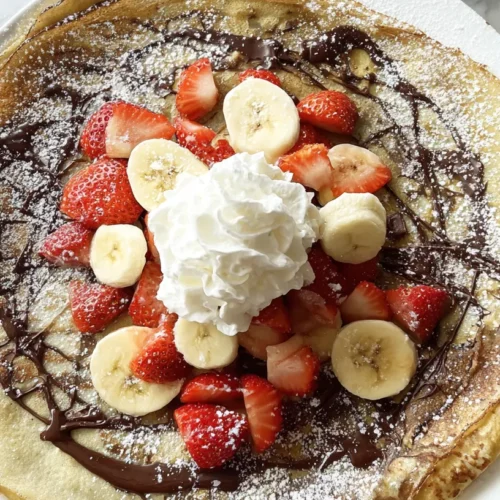
For sweet toppings, I love sliced strawberries, bananas, powdered sugar, maple syrup, lemon juice, or a little cinnamon sugar. For savory toppings, bacon, ham, shredded cheese, sautéed mushrooms, and fresh herbs all work beautifully. The batter itself stays neutral enough for both directions.
That balance matters more than people think. Too much sugar, and savory toppings taste strange. Meanwhile, too little salt makes sweet toppings fall flat. I’ve found that the right base should stay flexible, not bossy. That’s what makes this recipe so useful.
Also, whole milk gives the best texture here. Lower-fat milk still works. The pancakes just lose a little richness, and I notice it.

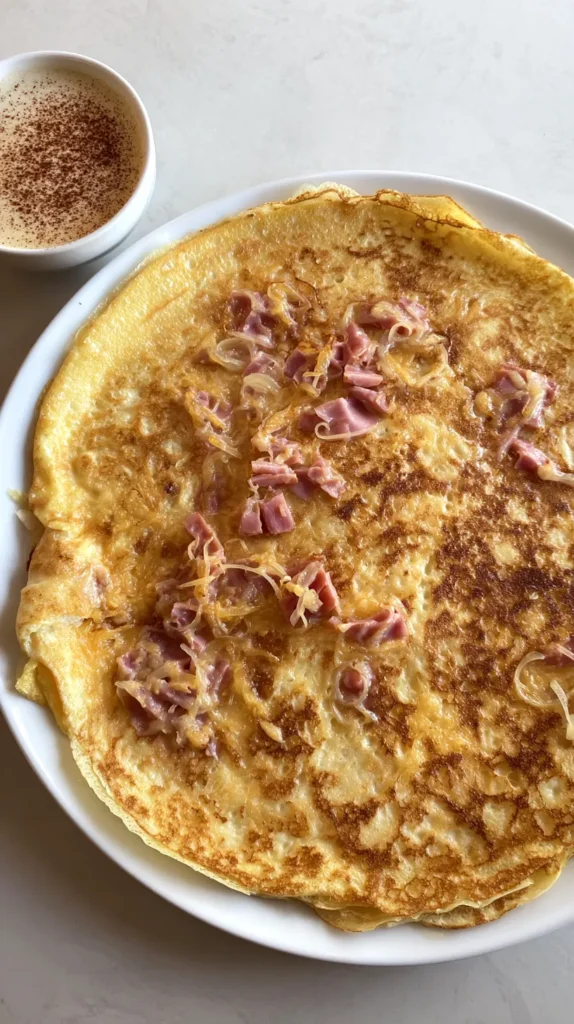
The Batter Needs Less Drama Than You Think
Some pancake batters reward aggressive whisking. This one really doesn’t. Dutch pancake batter likes a lighter hand. You want it smooth, but not worked to death. Once the flour disappears, you’re basically there.
I use a large bowl and whisk the eggs first. Then I add the milk, sugar, salt, and vanilla. After that, the flour goes in gradually. That order keeps the batter smoother without much fuss. It also saves you from chasing flour lumps around like they owe you money.
Now, here’s the part people skip. Let the batter rest for 10 to 15 minutes. I know.
Resting can sound like recipe theater. In this case, though, it actually helps the flour hydrate and the bubbles settle. The batter becomes smoother, and the pancakes cook more evenly.
That little rest also buys you time to heat the pan properly. A rushed skillet gives pale, floppy results. Nobody wants that.
It should look pourable, not thick. Think heavy cream, not cake batter. If it seems too thick, add a splash of milk. But if it looks watery, let it sit another few minutes before panicking. The flour often catches up.
I’ve found that tiny lumps aren’t a problem. Huge lumps are rude, but tiny ones usually disappear in the pan. Overmixing, on the other hand, can make the texture tougher. That’s the worse choice.
A blender also works if you want speed. Just don’t blend forever. Twenty seconds is plenty. More than that feels like you’re punishing the batter, and the batter did nothing wrong.
So yes, this recipe asks for attention. It just doesn’t ask for intensity. That’s a very different thing, and breakfast is better for it.

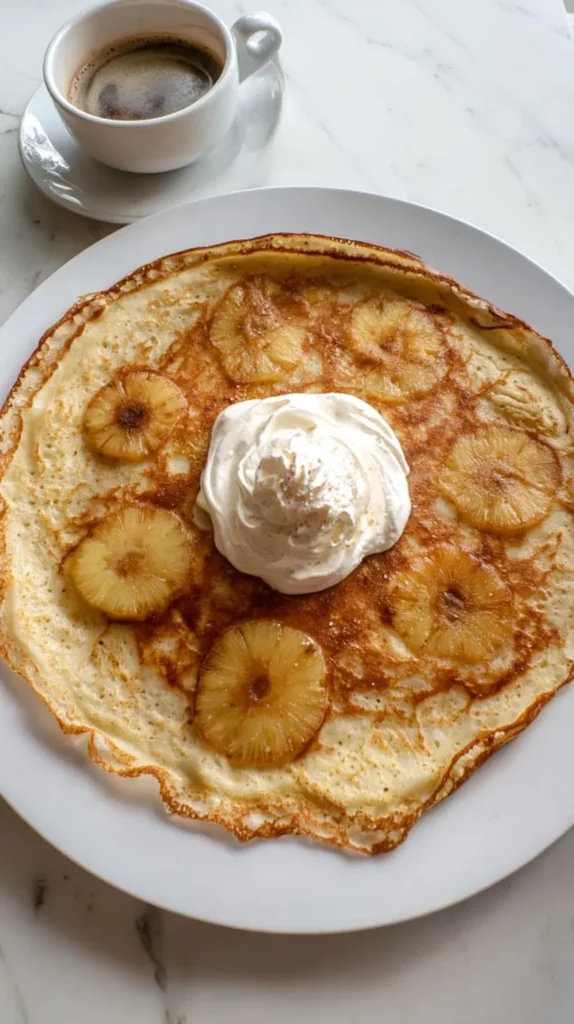
How I Cook Dutch Pancakes Without Losing My Mind
Cooking Dutch pancakes is quick, which is good news. It’s also slightly chaotic at first, which is normal news. The first pancake may look a little confused. I never trust the first one anyway. It’s the practice round.
Medium heat works best. High heat sounds efficient, but it turns reckless fast. You want golden brown spots, not a scorched surface and a raw center.
Butter should sizzle softly, not stage a full protest. Here’s the process:
- Heat a 10-inch nonstick or well-seasoned skillet over medium heat.
- Add about 1 teaspoon butter and swirl to coat the pan.
- Pour in roughly 1/3 cup batter, then tilt the pan quickly.
- Spread the batter into a thin, even circle.
- Cook for 1 to 2 minutes, until the top looks mostly set.
- Flip carefully with a thin spatula.
- Cook the second side for 30 to 60 seconds.
- Slide the pancake onto a plate and repeat.
If you’re adding bacon or apple slices, place them in the butter first. Then pour the batter over them. That little move looks impressive and tastes even better. It also keeps toppings from sliding off later.
I’ve found that flipping gets easier once the edges look dry. If the center still looks glossy, wait another few seconds. Rushing causes folding, tearing, and unnecessary breakfast resentment. Patience is cheaper.
Keep finished pancakes warm on a plate under a clean towel. They stay soft that way. A low oven works too, but I’d rather avoid extra heat when possible. Especially in Orlando, that matters.
Once you make two or three, the rhythm clicks. Then suddenly you’re making breakfast like this was always your thing.
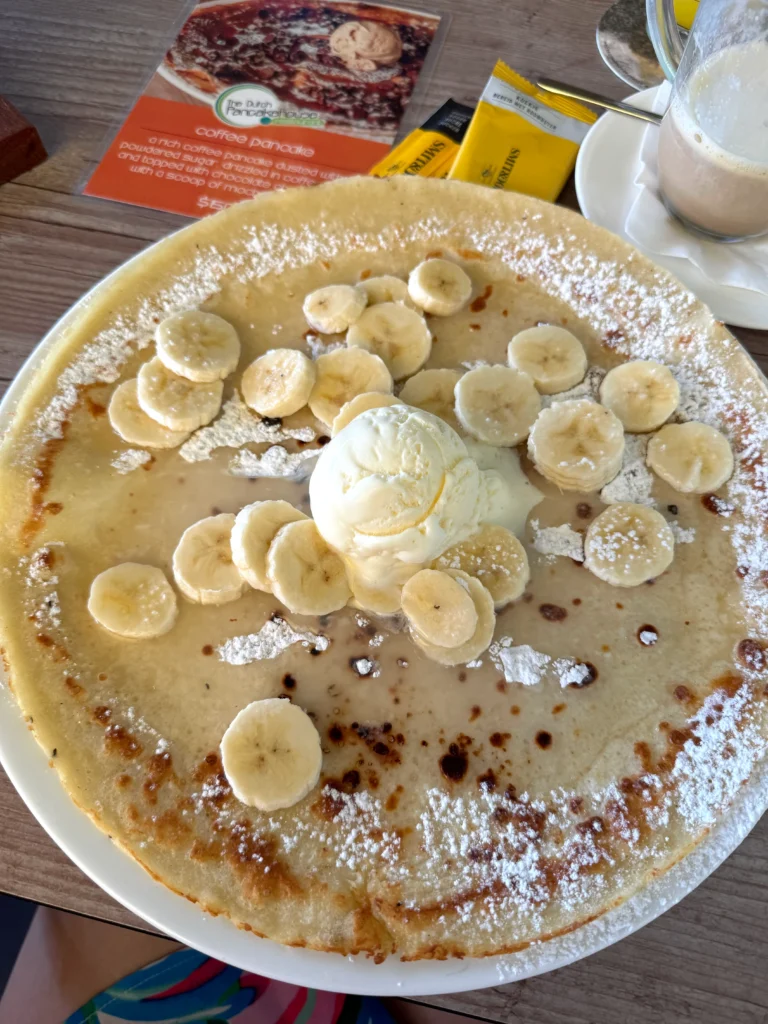
Sweet And Savory Ways To Serve Dutch Pancakes
This is where Dutch pancakes start showing off. The plain base is simple on purpose. It leaves plenty of room for toppings to do something interesting. That’s why one batch can swing in several directions without becoming annoying.
Sweet toppings tend to get the spotlight first. I understand that. Fruit and syrup are easy wins. Still, the savory versions deserve louder applause. A pancake topped with bacon and cheese has excellent judgment.
That flexibility is why they work so well for brunch. Nothing feels locked in. Everyone gets options without extra effort. Here are topping ideas I love:
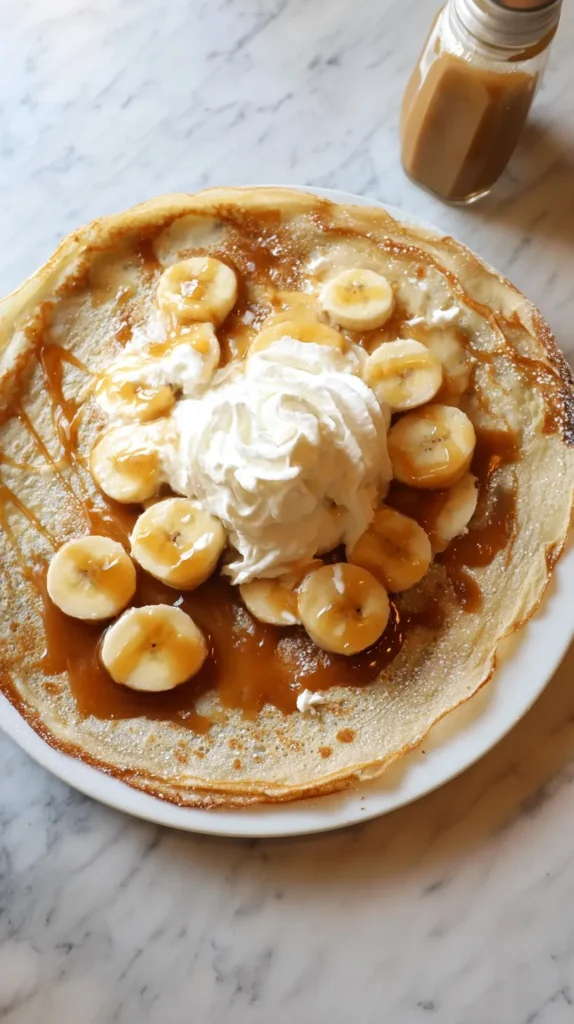
- Sweet: maple syrup with crisp bacon
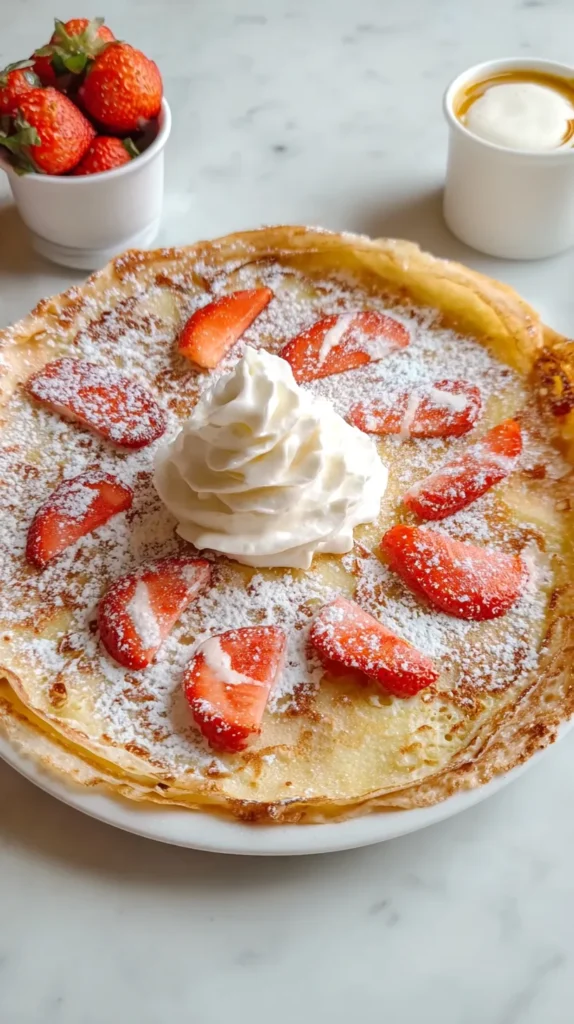
- Sweet: strawberries with powdered sugar
- Sweet: sliced banana with cinnamon sugar
- Sweet: lemon juice with a light shower of sugar
- Sweet: warm apples with a little butter
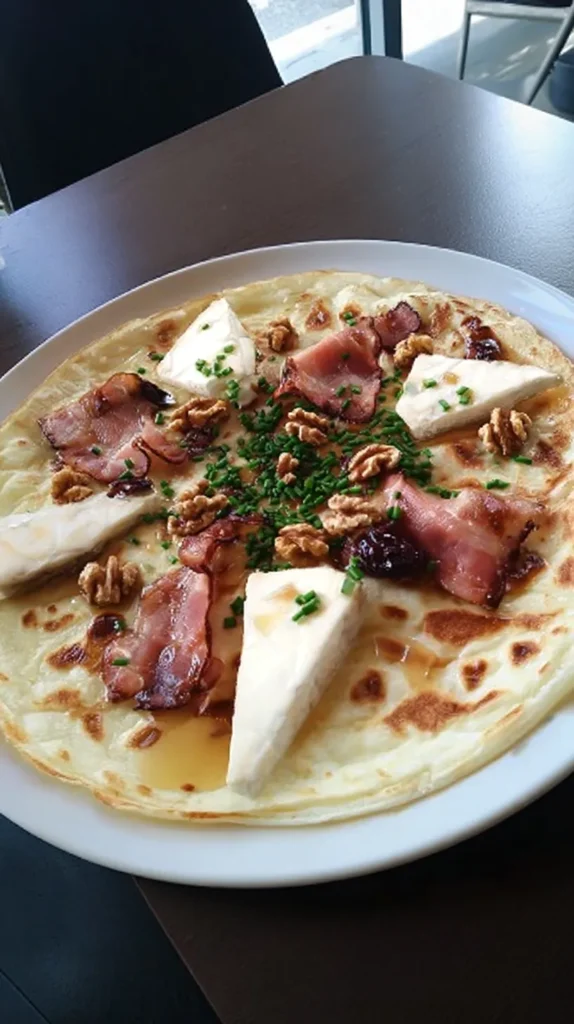
- Savory: bacon with Gouda
- Savory: ham with Swiss and chives
- Savory: mushrooms with thyme
- Savory: shredded cheese with black pepper
- Savory: fried egg with herbs
The best serving trick is balance. Too many toppings turn the pancake heavy. Meanwhile, too little makes the whole thing look unfinished. I aim for enough contrast to keep each bite interesting. Something salty with something sweet usually wins.
I’ve also found that folded pancakes eat better than flat ones. Rolled works too, especially for kids or anyone eating quickly. An open pancake looks prettier, but a folded one keeps the toppings from escaping. Beauty has limits.
If you’re serving several people, set toppings out buffet-style. That sounds casual because it is. But it also keeps everyone happy, which matters more. Breakfast gets weirdly personal.
And that’s the quiet brilliance here. Dutch pancakes don’t force one mood. They let the table decide.
The Little Mistakes That Ruin A Good Pancake
Most Dutch pancake problems come from impatience. Not bad ingredients. Usually, it’s not bad luck either. Just impatience wearing an apron. That’s oddly comforting, because it means the fixes are simple.
The first mistake is a pan that isn’t hot enough. If the butter just sits there looking sleepy, wait longer. A cooler pan makes pale pancakes that stick and sag. They still taste fine, but the texture loses its charm.
The second mistake is thick batter. People see thin pancakes and assume the batter should be very loose. Then they overcorrect and pour something almost watery. That makes flimsy pancakes with weak browning. The batter should still have body.
Another issue is too much butter in the pan. I know that sounds suspicious coming from me. But a puddle of butter fries the batter instead of coating the surface. A little goes a long way here. More isn’t always more.
Flipping too early causes chaos. So does flipping too late. The sweet spot is when the edges look dry and the underside has color. If you need a sign from the universe, that’s the sign.
I’ve found that people also overload toppings too soon. Then the pancake tears, folds, or turns soggy in the center. Add delicate toppings after cooking. Only sturdier things, like bacon or apples, should go in first.
And here’s the sneaky one: crowding your attention. These cook quickly. So don’t start this recipe while answering three texts and looking for missing shoes. You deserve better than breakfast sabotage.
Once you avoid those mistakes, the whole thing gets easier. Not perfect every time, maybe. But easy enough to make again on purpose.
Dutch Pancakes Questions I’d Ask Too
Whenever a recipe looks slightly different, the questions start fast. Can I make it ahead? Is freezing okay? Why does mine look weird? All fair.
Dutch pancakes are easy, but they still come with a few useful details. These are the questions worth knowing before breakfast gets dramatic:
- Can I make the batter ahead of time? Yes. Store it covered in the fridge for up to 24 hours, then whisk gently before using.
- Can I freeze Dutch pancakes? Yes. Cool them fully, layer parchment between them, and freeze in a sealed bag.
- How do I reheat them? Warm them in a skillet, low oven, or microwave in short bursts.
- Can I make them gluten-free? You can use a gluten-free flour blend, though texture may change a bit.
- Why are my pancakes tearing? The batter may be too thin, or you may be flipping too early.
- Do I need a special pan? No. A good nonstick skillet or seasoned pan works beautifully.
- Can I make them savory from the start? Absolutely. Skip the vanilla and add herbs, pepper, or cheese.
- What if I want them sweeter? Add toppings instead of more sugar in the batter. The base should stay balanced.
Also, don’t panic if the first pancake looks a little off. That one often comes out slightly awkward. It still counts.
I’ve found that this recipe gets easier on the second round. Once you see how thin the batter should spread, the mystery disappears. Then it becomes breakfast you make because you want it, not because you need to prove something.
That’s always my favorite kind of recipe. Low drama. High payoff. Very little nonsense.
Dutch Pancakes
Ingredients
- 2 cups all purpose flour
- 4 large eggs
- 2 1/2 cups whole milk
- 2 tablespoons granulated sugar
- 1 teaspoon fine salt
- 1 teaspoon vanilla extract for sweet versions
- 4 tablespoons unsalted butter for the pan
- Optional savory add in 1/4 teaspoon black pepper
- Optional savory add in 1/2 teaspoon dried thyme
- Optional savory add in 1/3 cup finely shredded Gouda or Swiss
- Optional savory add in 2 tablespoons chopped chives
Instructions
- Whisk the eggs in a large bowl.
- Add the milk, sugar, salt, and vanilla.
- Add the flour gradually.
- Whisk just until the batter is smooth.
- Let the batter rest for 10 to 15 minutes.
- Heat a 10 inch nonstick or well seasoned skillet over medium heat.
- Add about 1 teaspoon butter and swirl to coat the pan.
- Pour in roughly 1/3 cup batter.
- Tilt the pan quickly.
- Spread the batter into a thin, even circle.
- Cook for 1 to 2 minutes, until the top looks mostly set.
- Flip carefully with a thin spatula.
- Cook the second side for 30 to 60 seconds.
- Slide the pancake onto a plate.
- Repeat with the remaining batter.
- If you’re adding bacon or apple slices, place them in the butter first.
- Pour the batter over them.
The Breakfast That Quietly Steals The Show
I like recipes that seem casual at first, then completely win me over. Dutch pancakes do that. They don’t arrive with a big speech. Instead, they just slide onto the plate looking simple, thin, and maybe a little modest. Then the toppings hit, the edges brown, and suddenly breakfast has much better taste.
There’s something satisfying about a recipe that doesn’t try too hard. It doesn’t need trendy ingredients. A giant stack for drama? Not needed.
Still, it just works, and it works with confidence. I always respect food that knows exactly what it’s doing.
Living in Orlando has made me appreciate meals that seem special without making the kitchen hotter than necessary. This one fits that mood perfectly. A bowl, a skillet, and a few good toppings can carry the whole morning. That’s a strong setup.
I’ve also found that recipes like this stick in your head. Not because they’re complicated. Because they’re flexible, useful, and a little more charming than expected.
You can make them sweet one day and savory the next. Or keep it simple or go slightly overboard. Both choices make sense.
And yes, they’re photogenic enough for Pinterest. But more importantly, they’re worth making even when nobody sees them. That’s the real test. A pretty breakfast is nice. An actually delicious one is better.
Some recipes stay in the maybe pile forever. These don’t. They make themselves very hard to forget, and honestly, that feels deserved.