
Using a dehydrator might just be one of the simplest ways to elevate your cooking game while keeping things practical. It’s like having a tool that turns everyday fruits, vegetables, and more into tasty, long-lasting creations. Whether you’re whipping up snacks for the kids, prepping meals for a camping trip, or making homemade gifts, a dehydrator makes it all easy and fun. There are countless dehydrator recipes that can inspire your next culinary adventure.
The best part? Dehydrators take fresh ingredients and transform them into something special. You can go from crisp veggie chips to chewy fruit roll-ups, and even protein-packed jerky—all with a little time and a lot of flavor. Plus, dehydrated foods aren’t just for snacking. They’re perfect for lightweight meals when hiking or as emergency pantry staples.
This post is packed with ideas to help you make the most of your dehydrator. From quick and easy snacks to keto-friendly treats and creative gifts, there’s something for everyone. We’ll cover how to dehydrate specific ingredients like eggs, herbs, and potatoes, along with tips for using air fryer dehydrator settings and other gadgets.
Curious about getting the most out of your dehydrator? You’ve come to the right spot! Let’s get started and explore all the tasty possibilities together!
A few links on this page are affiliate links, so if you click and buy, I might earn a small commission. It never costs you more, and it helps support the site. You can read my full disclosure if you’re into the fine print.
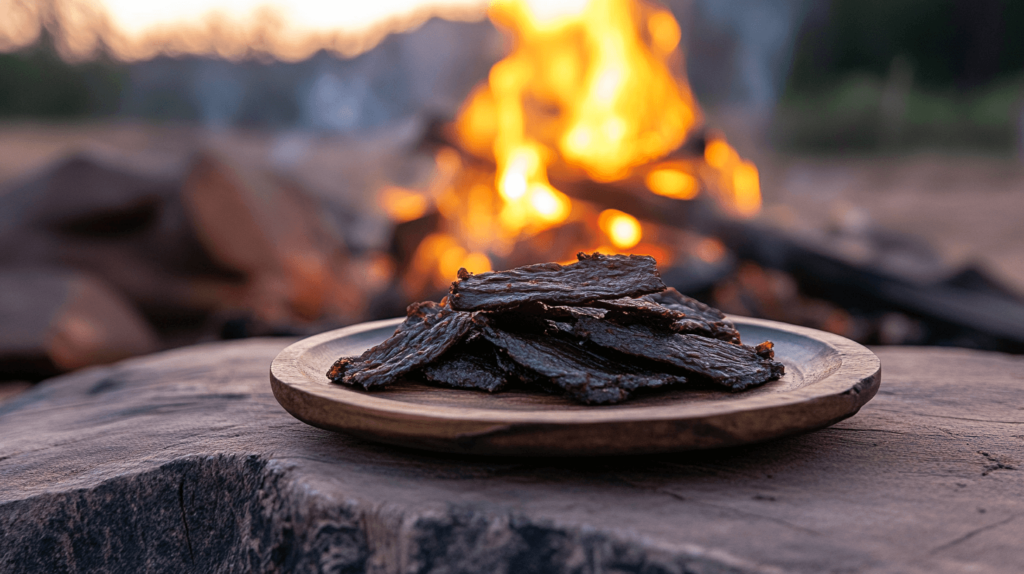
Dehydrator Recipes for Camping
When you’re off to explore the outdoors, grab some lightweight, nutrient-rich snacks! A dehydrator can help prepare meals and snacks that are easy to carry and delicious to eat. Here are a few recipes that work well for camping:
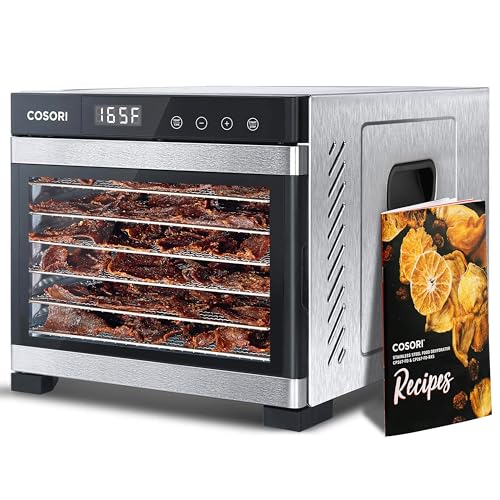
Beef Jerky
- Ingredients: 1 pound lean beef, 1/4 cup soy sauce, 2 tablespoons Worcestershire sauce, 1 tablespoon honey, 1 teaspoon garlic powder, 1 teaspoon onion powder, 1/2 teaspoon black pepper, 1/2 teaspoon smoked paprika.
- Instructions: Slice the beef into thin strips, about 1/4-inch thick. In a bowl, mix the soy sauce, Worcestershire sauce, honey, and seasonings. Marinate the beef in the mixture for at least 4 hours or overnight in the fridge. Place the strips on the dehydrator trays in a single layer. Dehydrate at 160°F for 4-6 hours, or until the jerky is completely dry and slightly pliable. Store in an airtight container.
Trail Mix Components
- Ingredients: Bananas, strawberries, apples, almonds, walnuts.
- Instructions: Thinly slice the fruits and place them on dehydrator trays. Dehydrate at 135°F for 8-10 hours, or until crisp. Combine the dried fruits with almonds and walnuts in a resealable bag. This mix is perfect for a quick energy boost.
Vegetable Chips
- Ingredients: Kale leaves, 2 tablespoons olive oil, 1 teaspoon sea salt.
- Instructions: Tear kale leaves into bite-sized pieces. Massage olive oil into the kale and sprinkle with sea salt. Spread on dehydrator trays. Dehydrate at 125°F for 4-6 hours, or until crisp.
These recipes are lightweight and pack well, making them ideal for camping trips. Store them in resealable bags or containers for easy access during your adventures.
Dehydrator Recipes with Eggs
I tend to notice people get nervous about dehydrating eggs. It sounds advanced, but it’s mostly just patience and good drying. Fresh eggs spoil fast, while dehydrated eggs can sit safely in your pantry when stored right.
Here’s the surprising part. Egg powder isn’t only for camping or emergency meals. I’ve found it’s also useful for baking days, quick breakfasts, and those weeks when you run out of eggs at the worst time.
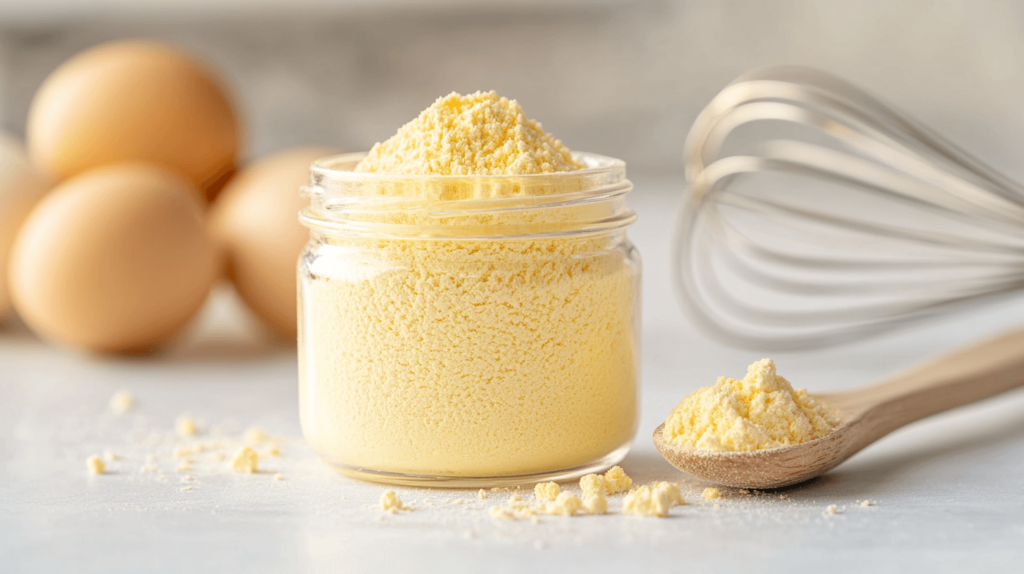
Egg Powder
Egg powder works because you’re dehydrating a thin egg layer, then grinding it. Use 6 large eggs and whisk them until totally smooth. Pour the eggs onto lined dehydrator trays in a thin, even layer. Dehydrate at 140°F for 8–10 hours, until the eggs are fully dry and crumble easily.
- Whisk until no streaks remain so the sheet dries evenly.
- Keep the layer thin since thick spots stay soft longer.
- Rotate trays halfway through if your dehydrator runs uneven.
- Cool completely before grinding so you don’t trap moisture.
- Blend to a fine powder and store it airtight.
- Mix 1 tablespoon powder with 2 tablespoons water for one egg.
Now let’s talk egg chips, because they’re oddly satisfying. Most crunchy snacks aren’t high in protein, so this is a nice switch. They also pack well, which matters when you need grab and go food.
Egg Chips
Beat 4 eggs with 1/2 teaspoon salt and 1/2 teaspoon pepper. Spoon or pipe small circles onto lined trays, leaving space between them. Dehydrate at 140°F for 6–8 hours, until crisp and dry. Let them cool before storing, because warm chips can trap moisture.
I like that dehydrator recipes can solve real life problems without much effort. You get shelf-stable options, less waste, and more backup food. Try one batch first, then you’ll know which one fits your routine.
Jerky Recipes for Your Dehydrator
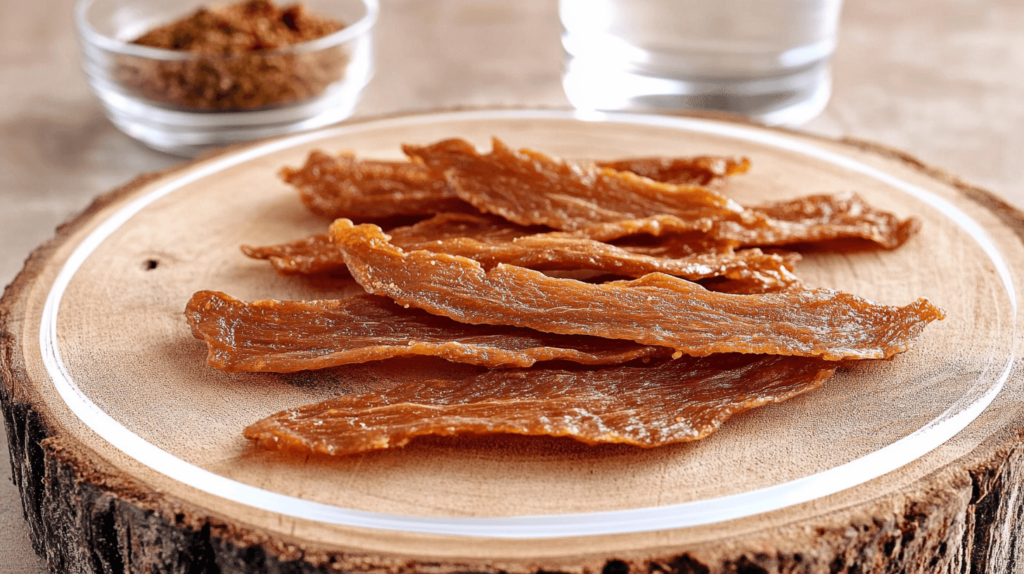
Jerky is one of the most popular uses for a dehydrator, and I get why. It’s protein you can actually grab and eat without a fork. Store jerky can be pricey, and it often has extra sugar. Homemade lets you control the flavor, the chew, and the ingredients.
Here’s a helpful mindset shift. Jerky isn’t only a hiking snack. I’ve found it’s also a solid after school option, a road trip win, and an easy add to lunchboxes. You can keep it simple, or you can make it spicy. Either way, it’s worth learning.
Classic Beef Jerky
Use 1 pound lean beef, sliced into 1/4 inch strips. Mix 1/4 cup soy sauce, 2 tablespoons Worcestershire sauce, 1 tablespoon honey, 1 teaspoon garlic powder, 1 teaspoon onion powder, 1/2 teaspoon smoked paprika, and 1/4 teaspoon black pepper. Marinate the beef for 4–6 hours in the fridge. Lay strips in a single layer on dehydrator trays. Dehydrate at 160°F for 4–6 hours, until dry but still slightly pliable.
Chicken Jerky
Slice 1 pound of chicken breast into thin strips. Mix 1/4 cup olive oil, 2 tablespoons lemon juice, 1 teaspoon black pepper, and 1 teaspoon paprika. Marinate for 4 hours. Place on trays and dehydrate at 160°F for 4–6 hours, until fully dried.
Turkey Jerky
Cut 1 pound of turkey breast into thin strips. Mix 1/4 cup coconut aminos, 1 tablespoon maple syrup, 1 teaspoon garlic powder, and 1 teaspoon chili flakes. Marinate at least 4 hours. Arrange on trays and dehydrate at 160°F for 4–6 hours.
Plant Based Jerky
Use 2 cups thick cut mushrooms or zucchini strips. Mix 1/4 cup tamari, 1 tablespoon liquid smoke, and 1 teaspoon smoked paprika. Marinate 2 hours. Dehydrate at 135°F for 6–8 hours, until chewy.
Here are a few tips that make a big difference.
- Use lean cuts so the jerky stores better.
- Marinate at least 4 hours for stronger flavor.
- Cool completely, then store airtight or vacuum sealed.
- Test doneness by bending a strip. It should flex, not snap.
Once you make your own, it’s hard to go back. The flavor tastes fresher, and the texture is exactly how you like it.
Fabulous Gift Ideas
Homemade dehydrated treats make such sweet gifts because they’re useful and thoughtful. Store bought snacks are fine, but they don’t say I planned this. I’ve found dehydrator gifts work best when they look simple and intentional. Pretty jar, neat label, and a flavor that makes someone smile.
Here’s the fun part. These gifts don’t have to be expensive to look high end. A few pantry staples and a little drying time can turn into something people actually keep eating. And if you’re thinking, I’m not crafty, I get it. This isn’t craft store energy. This is real life gifting.
Herb Blends
Use fresh basil, oregano, thyme, and rosemary. Rinse the herbs and pat them dry. Spread them on dehydrator trays in a single layer. Dehydrate at 95°F for 4–6 hours, until they crumble easily. Let them cool, then store in small glass jars.
- Make an Italian style blend with basil, oregano, and thyme.
- Add rosemary, but keep it lighter since it’s strong.
- Crush by hand for a rustic look, or pulse for a finer mix.
- Label the jar with the blend name and best uses.
Fruit Roll Ups
Use 3 cups fruit like strawberries, mangoes, or peaches. Blend into a smooth puree. Add 1 tablespoon honey if you want extra sweetness. Spread the puree on lined trays in an even layer. Dehydrate at 135°F for 6–8 hours, until dry but still pliable. Peel it off, cut into strips, and roll in parchment.
- Keep the layer thin, so it dries evenly.
- Use a spatula to smooth edges for a cleaner look.
- Cut strips with kitchen scissors for less mess.
Giftable Beef Jerky
Use the beef jerky recipe from the jerky section, then package it like a snack shop would. Cool it fully first, then portion it into small bags or jars. Add a simple label like smoky beef jerky or sweet heat jerky.
One little mindset shift helps here. People don’t want perfect gifts. They want gifts that feel personal and useful. These are both, and they store well too.

Dehydrator Recipes for Herbs
I’ve found herbs are the easiest win in the dehydrator. They dry fast, they store well, and they make you feel weirdly prepared. Fresh herbs are great, but they also go bad in a blink. Dried herbs stick around and save dinner later.
Here’s a little reframe that helped me. People think dried herbs are boring compared to fresh. But when you dry herbs at a low temp, the flavor stays strong. You also get better control, because you can crush them how you like. Fine for soups, chunky for roasted veggies, and somewhere in between for everyday cooking.
Mint for Tea
Use fresh mint leaves and give them a quick rinse. Pat them dry really well, because wet leaves take longer. Spread the mint in a single layer on dehydrator trays. Dehydrate at 95°F for 4–6 hours, until the leaves feel dry and brittle. Let them cool, then store airtight.
- Keep leaves whole for a cleaner tea flavor.
- Crush only what you need right before brewing.
- Add a few dried mint leaves to iced tea for an easy twist.
Now the seasoning mix, because this one makes weeknight food taste more planned. Also, it’s the kind of thing you’ll reach for without thinking. That’s the goal, right.
Herb Seasoning Mix
Use basil, oregano, thyme, and rosemary. Dehydrate each herb separately at 95°F for 4–6 hours, until dry and crumbly. Cool completely, then crumble into a bowl and mix. Store in a spice jar with a tight lid.
- Start with more basil and oregano for a classic blend.
- Add thyme for warmth, then rosemary for that punchy note.
- Label the jar with the date, so you rotate your stash.
And here’s the part people forget. Light and air are the enemies. Store herbs in a cool, dry spot, and keep lids tight. Once you try it, you’ll look at that limp grocery store herb pack differently.

Dehydrate in the Air Fryer
I’ve found the air fryer dehydrator setting is the shortcut people forget they own. It’s not just for fries and chicken nuggets. If your air fryer has trays and airflow, you can dry snacks without dragging out a bigger machine. That convenience matters on a random Tuesday.
Here’s the thing, though. Air fryers can run a bit hotter in spots. So even slices matter more than you think. Thin and even wins every time. Thick slices turn chewy in weird places, and nobody wants that.
Spiced Sweet Potato Chips
Use 2 medium sweet potatoes, 1 tablespoon olive oil, 1 teaspoon smoked paprika, and 1/2 teaspoon sea salt. Slice sweet potatoes into thin rounds and toss with oil, paprika, and salt. Arrange in a single layer on the air fryer trays. Dehydrate at 135°F for 6–8 hours, until crisp. Cool completely, then store airtight.
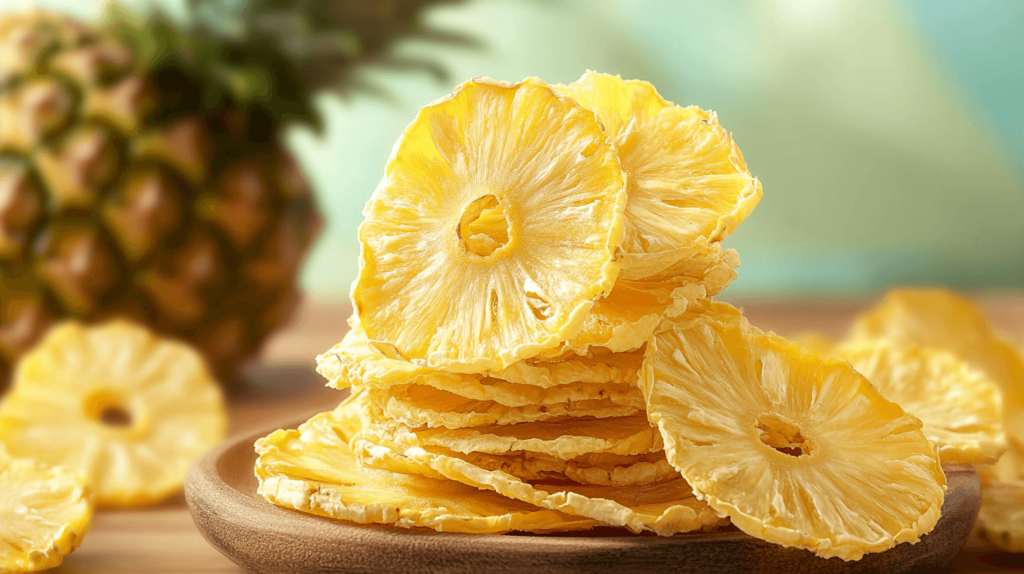
Citrus Infused Pineapple Rings
Use 1 fresh pineapple and 1 tablespoon lemon juice. Peel and core the pineapple, then slice into 1/4 inch rings. Brush lightly with lemon juice, then arrange on trays without overlap. Dehydrate at 135°F for 6–8 hours, until chewy and slightly tacky. Let rings cool before storing, so they don’t sweat.
Herb Infused Tomato Slices
Use 4 large tomatoes, 1 tablespoon olive oil, and 1 teaspoon dried basil. Slice tomatoes into 1/4 inch rounds. Brush lightly with olive oil and sprinkle with basil. Arrange on trays in one layer. Dehydrate at 125°F for 6–8 hours, until pliable and leathery. Toss into salads or stack on sandwiches.
Dehydrated Beet Chips
Use 3 medium beets and 1 teaspoon salt. Peel and thinly slice the beets. Sprinkle with salt and spread in a single layer. Dehydrate at 135°F for 6–8 hours, until crisp. Cool fully before sealing, because warm chips soften fast.
A few tweaks help a lot.
- Slice evenly for consistent drying.
- Rotate trays halfway through for better results.
- Check earlier than you think, since air fryers vary.
Dehydrator recipes don’t need fancy gear. Sometimes your air fryer already does the job.
Dehydrator Recipes Keto
I’ve found keto gets way easier when snacks stop being a daily problem. Chips and crackers are everywhere, and then you’re stuck staring at cheese again. A dehydrator fixes that fast. You get crunchy, salty, chewy options that actually fit keto.
Here’s the assumption I had to drop. Keto snacks don’t have to be expensive or packaged. You can make a big batch once, then snack all week. And yes, it tastes better because you control the seasoning. That part matters more than people admit.
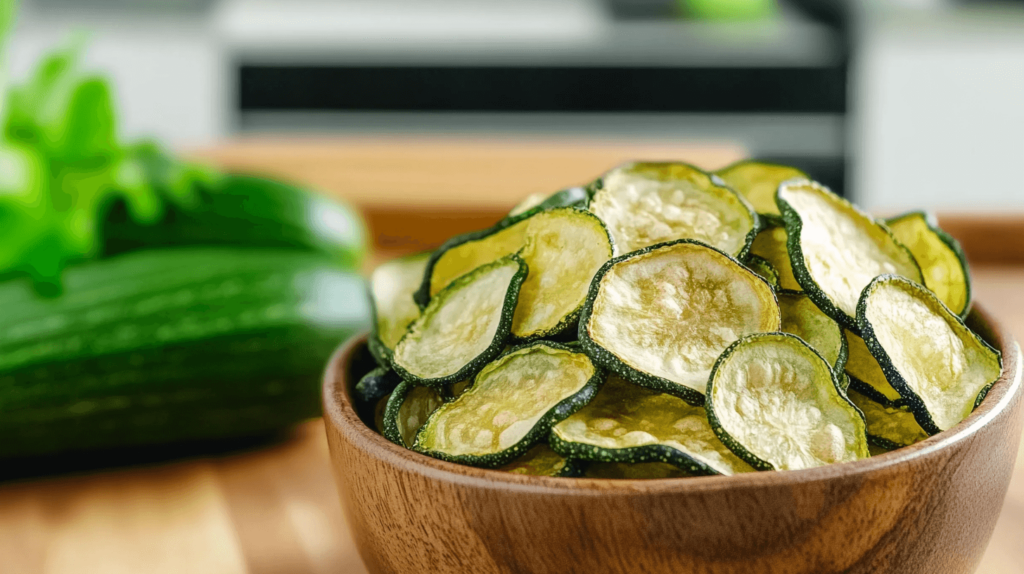
Zucchini Chips
Use 2 medium zucchinis, 2 tablespoons olive oil, 1 teaspoon garlic powder, and 1/2 teaspoon salt. Slice the zucchini into thin rounds and toss with oil, garlic powder, and salt. Arrange slices in a single layer on dehydrator trays. Dehydrate at 125°F for 4–5 hours, until crisp. Let them cool completely before storing, or they soften.
Keto Jerky
Use 1 pound lean beef or turkey, 1/4 cup coconut aminos, 1 teaspoon garlic powder, 1 teaspoon smoked paprika, and 1/2 teaspoon chili flakes. Slice meat into thin strips and marinate for 4 hours or overnight. Place strips on trays in a single layer. Dehydrate at 160°F for 6–8 hours, until fully dried and slightly pliable.
Parmesan Crisps
Use 1 cup shredded Parmesan cheese and 1 teaspoon Italian seasoning. Place small mounds of cheese on a parchment lined tray. Sprinkle seasoning on top. Dehydrate at 135°F for 3–4 hours, until crispy. Cool completely, because they firm up more as they cool.
Keto Friendly Trail Mix
Use almonds, walnuts, pecans, and unsweetened coconut flakes. Spread them on trays in an even layer. Dehydrate at 135°F for 4–5 hours, until crunchy. Combine and store airtight.
A few quick tips make this smoother.
- Slice evenly, because uneven snacks dry unevenly.
- Cool fully before sealing, so you don’t trap moisture.
- Start small, then scale up once you know your timing.
Dehydrator recipes can make keto snacking feel normal again. That alone is a win.
Dehydrator Recipes With Lemon That Make Everything Taste Better
I’ve found lemons are one of the fastest ways to make dehydrating feel exciting. They’re bright, cheap, and useful in so many recipes. Fresh lemons are great, but they don’t always get used in time. Dehydrating them helps me waste less and keep that citrus punch ready.
Here’s the part people don’t expect. Dehydrated lemon isn’t only for tea. It’s also a pantry shortcut for cooking, baking, and snack boards. Once you have it, you’ll start reaching for it without thinking.
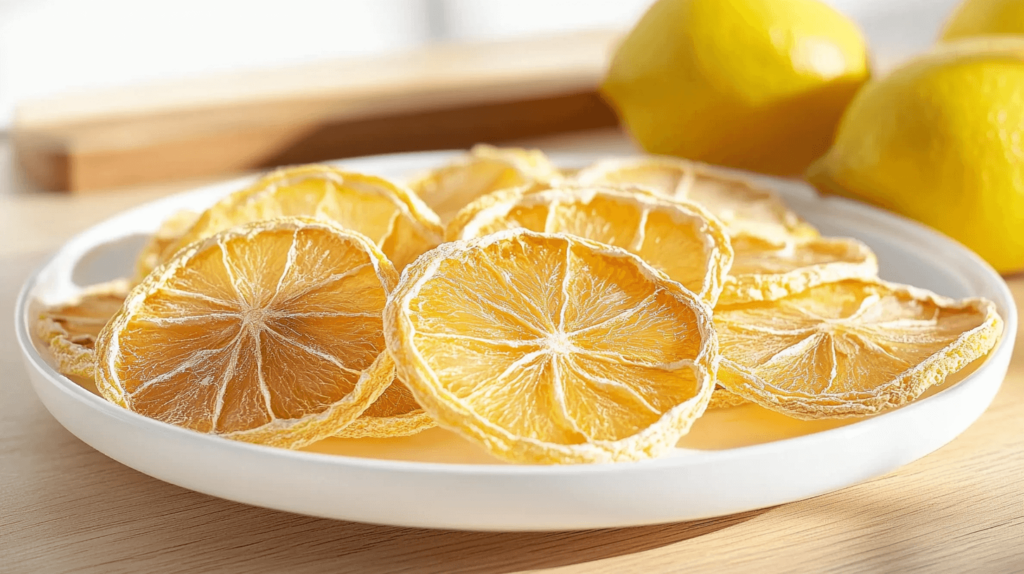
Dried Lemon Slices
Use 3 lemons and wash them well. Slice them into thin rounds, about 1/8 inch thick. Remove any seeds so you don’t get bitter bites. Lay the slices in a single layer on dehydrator trays. Dehydrate at 135°F for 6–8 hours, until fully dry and crisp. Store them in an airtight container and use them in tea, water, or as a garnish.
Lemon Powder
Use zest from 3 lemons and avoid the white pith. Spread the zest in a thin layer on a lined tray. Dehydrate at 95°F for 4–6 hours, until dry and crumbly. Grind it into a fine powder in a blender or spice grinder. Store it in a small jar with a tight lid. Add it to dressings, marinades, or desserts for bright flavor.
Candied Lemon Slices
Use 2 lemons, plus 1/2 cup sugar and 1/2 cup water if you want a sweeter finish. Slice lemons thinly and remove seeds. Simmer slices in the sugar water for 5 minutes, then drain well. Lay slices on trays in a single layer. Dehydrate at 135°F for 8–10 hours, until slightly chewy and dry. Use them on dessert boards or as a snack.
A few small tweaks make the results better.
- Slice evenly, because thick slices stay tacky longer.
- Use ripe lemons, since they taste brighter when dried.
- Store airtight and away from light to protect flavor.
Dehydrator recipes with lemon make your pantry more useful. And that’s a win I’ll take.
Fruit Dehydrator Recipes That Taste Like Real Snacks
I’ve found fruit is where dehydrating gets fun fast. You start with something simple, then suddenly you’ve got snacks that feel kind of fancy. Store dried fruit can be good, but it’s often pricey and weirdly sticky. Homemade versions taste fresher, and you can control the texture.
Here’s a quick mindset shift. Dehydrated fruit isn’t only a snack for kids. It’s also a pantry helper for oatmeal, yogurt bowls, lunchboxes, and road trips. And once you see how easy it is, you’ll probably keep a batch going.
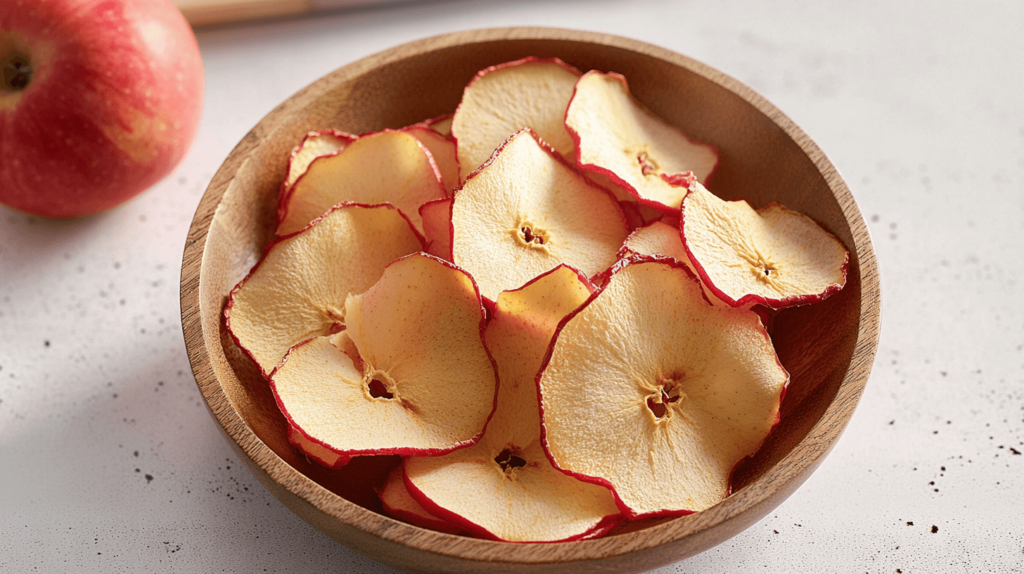
Apple Chips
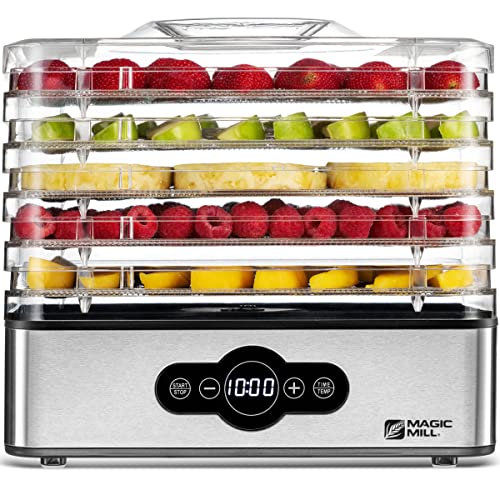
Use 3 apples and 1 teaspoon cinnamon. Core the apples, then slice into thin rings or wedges. Sprinkle lightly with cinnamon and place slices in a single layer on trays. Dehydrate at 135°F for 6–8 hours, until crisp. Cool fully, then store airtight so they stay crunchy.
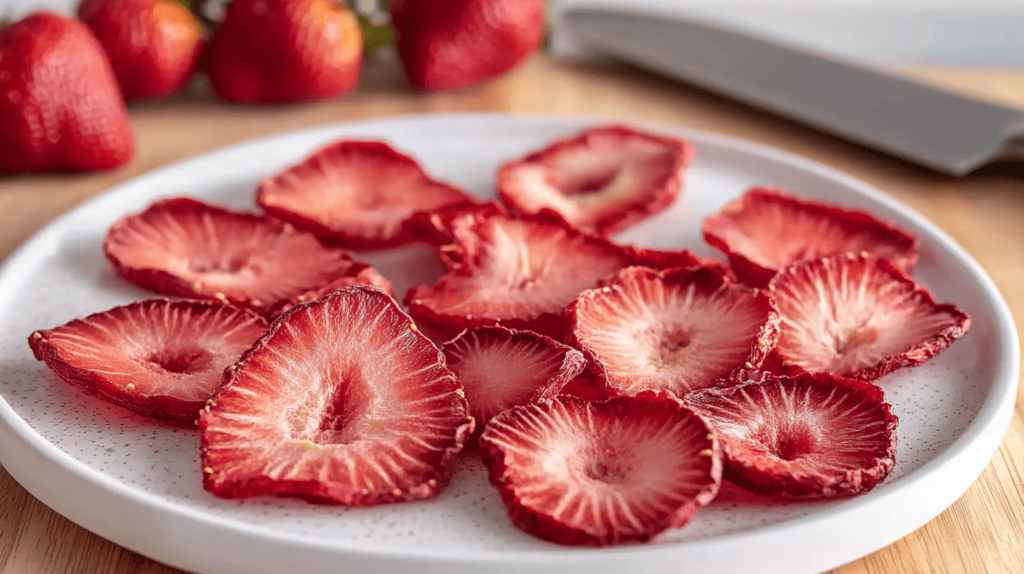
Strawberry Slices
Use 1 pound strawberries. Wash, hull, and slice evenly for consistent drying. Arrange in a single layer with no overlap. Dehydrate at 135°F for 6–8 hours, until dry and slightly chewy. Toss them into oatmeal or snack straight from the jar.
Mango Strips
Use 2 ripe mangoes. Peel and slice into thin strips, then arrange on trays in one layer. Dehydrate at 135°F for 8–10 hours, until pliable. If you want less stickiness, dry them a little longer.
Pineapple Rings
Use 1 fresh pineapple. Peel, core, and slice into 1/4 inch rings. Arrange on trays without overlap. Dehydrate at 135°F for 8–12 hours, until dried but slightly soft.
Fruit Leather
Use 3 cups fruit like peaches, berries, or apples, plus 1 tablespoon honey if you want. Blend into a smooth puree and spread about 1/8 inch thick on lined trays. Dehydrate at 135°F for 6–8 hours, until tacky but not sticky. Cut into strips and roll in parchment.
A few tips keep fruit drying simple.
- Slice evenly so everything finishes together.
- Use ripe fruit for better flavor.
- Store airtight in a cool, dry place.
Fruit dehydrator recipes are an easy way to stock your kitchen with snacks you actually want.
Dehydrator Recipes for Potatoes That Actually Get Used
I’ve found potatoes are the sneaky MVP of dehydrating. They’re cheap, filling, and they turn into real pantry shortcuts. People usually think dehydrators are only for fruit and jerky. Meanwhile, potatoes quietly become chips, meal starters, and backup sides.
Here’s the reframe. Dehydrated potatoes aren’t “prepper food.” They’re busy day food. When you can grab a jar of flakes or hash browns, dinner feels less annoying. That alone is worth the effort.
Potato Chips
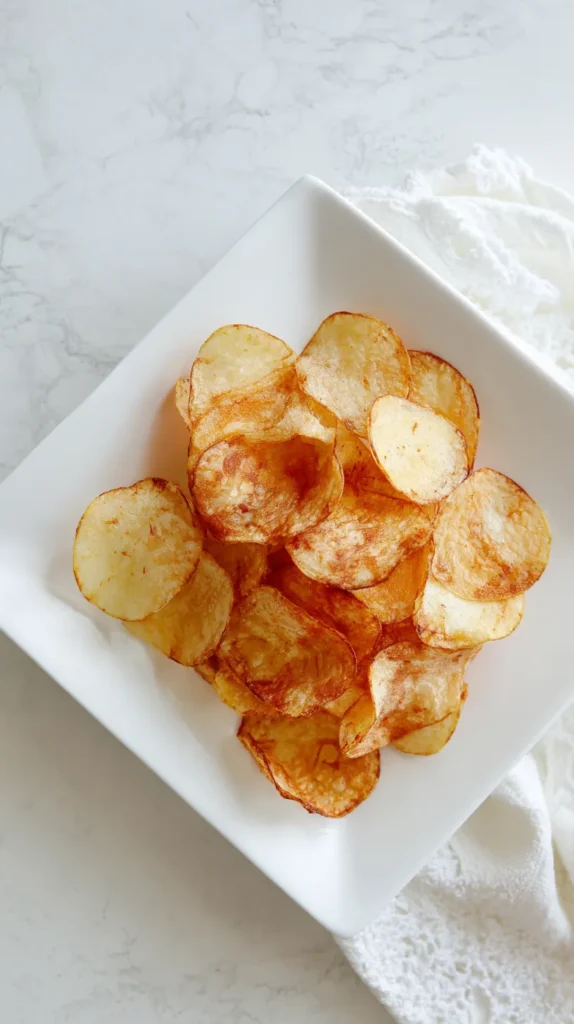
Use 2 large potatoes, 2 tablespoons olive oil, and 1 teaspoon sea salt. Add paprika, garlic powder, or chili powder if you want extra flavor. Wash and peel the potatoes, then slice about 1/8 inch thick. Rinse slices in cold water to remove starch, then pat them dry. Toss with olive oil and salt, then lay in a single layer on trays. Dehydrate at 125°F for 6–8 hours, until crisp.
Potato Flakes
Use 4 large potatoes. Peel and boil until soft, then mash with no milk or butter. Spread mashed potatoes thinly on lined trays. Dehydrate at 135°F for 8–10 hours, until fully dry and crumbly. Break into pieces and store airtight. Rehydrate with hot water for quick mashed potatoes.
Hash Browns
Use 3 large potatoes and 1 teaspoon salt. Peel and shred the potatoes, then rinse well. Blanch in boiling water for 2–3 minutes, then drain and pat dry. Spread in a thin layer on trays. Dehydrate at 135°F for 6–8 hours, until completely dry. Store airtight and rehydrate before frying.
Potato Sticks
Use 3 medium potatoes, 2 tablespoons olive oil, and 1 teaspoon black pepper. Cut into thin sticks, toss with oil and pepper, then arrange without overlap. Dehydrate at 135°F for 6–8 hours, until crunchy.
A few tips keep this from turning into a mess.
- Rinse after slicing to stop clumping.
- Blanch before drying for better texture and color.
- Store airtight so potatoes stay crisp and usable.
Dehydrator recipes for potatoes make everyday meals easier. And I’m always rooting for easier.nacks and quick meal preparation!
Dehydrator Recipes for Vegetables That Make Dinner Easier
I’ve found dehydrating vegetables is the quiet kind of helpful. It’s not flashy, but it saves you later. Fresh veggies are great until they wilt in the drawer. Dried veggies don’t play that game. They sit in a jar and wait for you to get your life together.
Here’s the reframe that surprised me. Dehydrated vegetables aren’t only for soup. They’re also for snack plates, quick add ins, and last minute dinners. And once you keep a few basics on hand, you stop relying on expensive pre chopped stuff.
Bell Peppers
Use 4 bell peppers in any color. Wash and core them, then remove seeds and membranes. Slice into thin strips or small pieces, then spread in a single layer with no overlap. Dehydrate at 125°F for 6–8 hours, until completely dry. Store in airtight jars and toss into soups, stews, casseroles, or scrambled eggs.
Carrot Chips
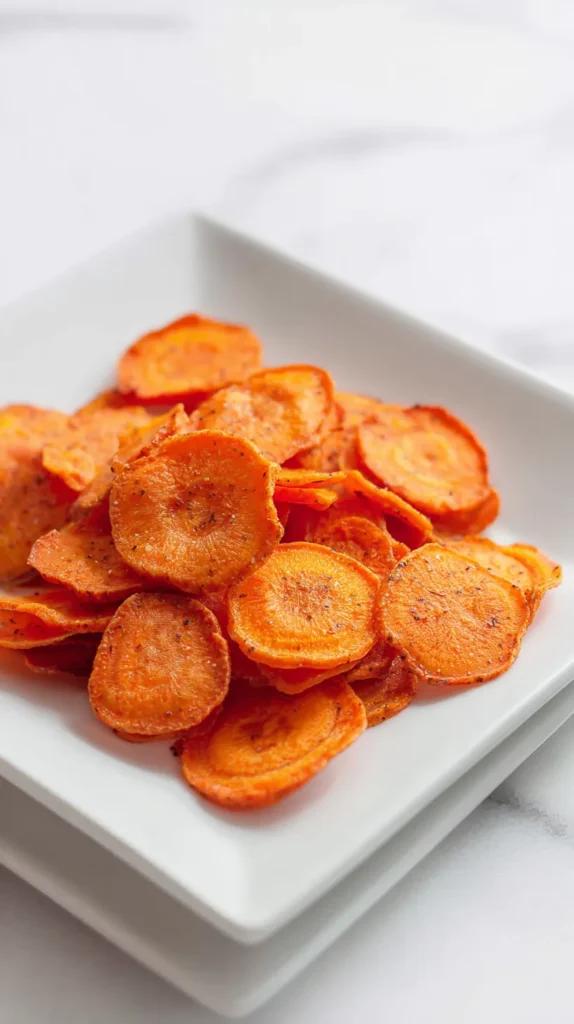
Use 4 large carrots and 1 tablespoon olive oil. Add 1 teaspoon of cinnamon for sweet, or paprika for savory. Peel and slice carrots into thin rounds. Toss with olive oil and seasoning, then arrange in one layer on trays. Dehydrate at 135°F for 6–8 hours, until crisp. Cool fully before storing, because warm chips soften fast.
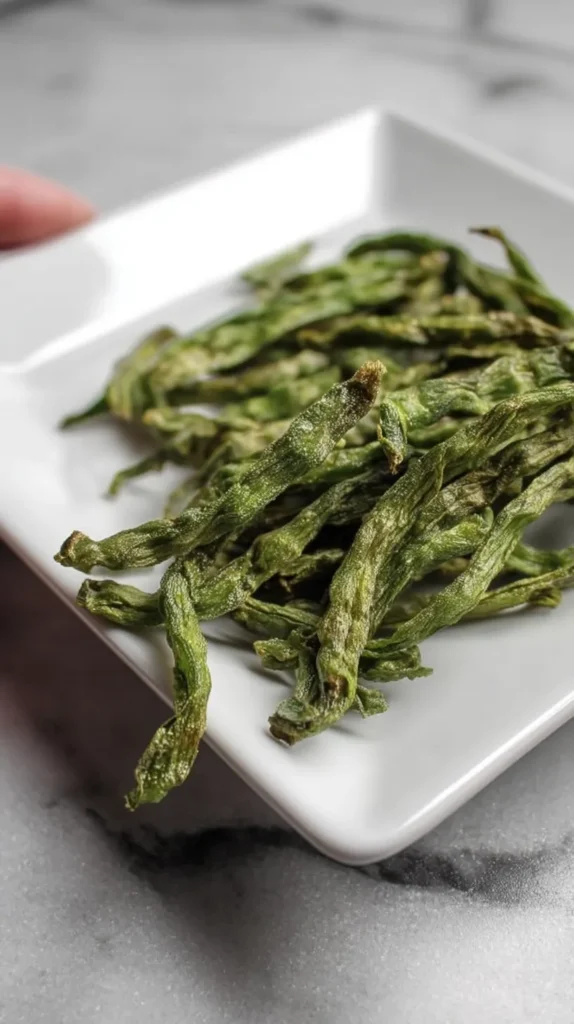
Green Beans
Use 1 pound fresh green beans. Wash and trim the ends. Blanch in boiling water for 3 minutes, then cool in ice water. Pat dry, then spread on trays. Dehydrate at 125°F for 6–8 hours, until fully dried. Snack on them as crunchy bites or toss into soups.
Vegetable Mix for Soups
Use a mix of carrots, celery, onions, and peas. Dice everything into small, uniform pieces for even drying. Blanch briefly, then spread on trays in a thin layer. Dehydrate at 135°F for 6–8 hours, until completely dry. Store airtight and rehydrate in broth while cooking.
A few tips make veggie batches turn out better.
- Blanching helps color and texture stay nicer.
- Even slices dry more evenly and store better.
- Airtight storage protects crunch and flavor.
Dehydrator recipes for vegetables give you a pantry that works with you. That’s my kind of kitchen help.
The Kind Of Kitchen Win You’ll Brag About Later
I’ve found dehydrating has this sneaky way of making me feel more on top of life. Not in a perfect way, either. More like I open a jar and think, okay, I did one smart thing. That tiny moment matters when the day feels loud. Plus, it’s hard not to smile at a pile of crispy chips that started as plain produce.
Sometimes I want snacks that aren’t a whole production. Other times I want something that looks impressive with basically zero effort. Dehydrating hits both, which feels unfair in the best way. And when I’m packing a lunch, building a snack board, or trying to avoid another last minute store run, I love having options that just live in my pantry.
I tend to notice how the little habits stack up. A jar of dried fruit turns into a better breakfast. A bag of jerky turns into an easier afternoon. A few dried herbs turn into a dinner that tastes more planned. That’s why I keep coming back to dehydrator recipes, even when I’m not in a big cooking mood.
Living in Orlando, I’m always thinking about heat and busy days, so shelf-stable snacks feel like a small personal victory. I also love saving ideas to Pinterest, because future me deserves the shortcut. So if you make one batch this week, make it the one you’ll actually keep reaching for.
Because having snacks ready feels like you know something everyone else missed.