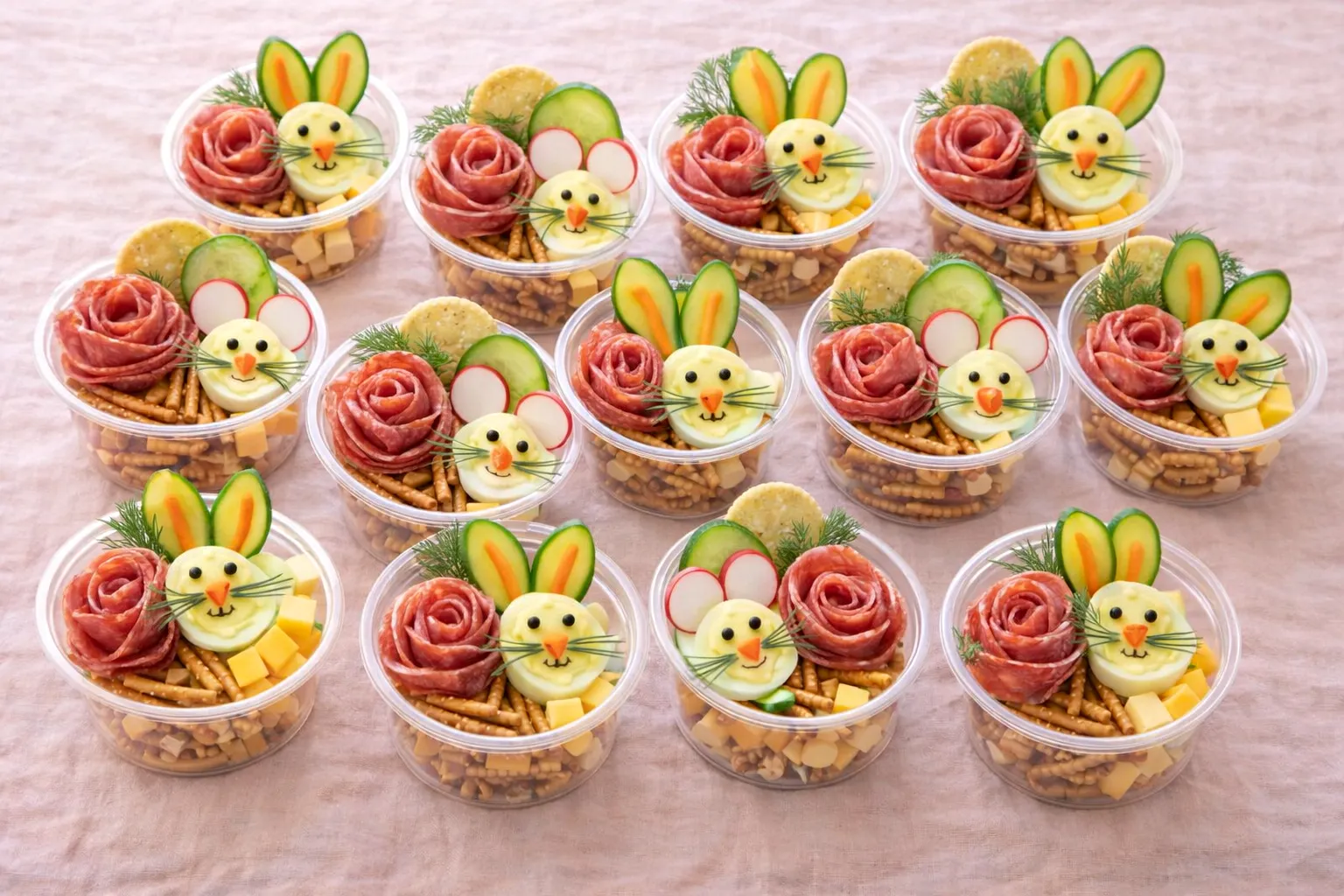
The charcuterie board has become the unofficial symbol of having it together. That makes me laugh. It looks polished, relaxed, and slightly indulgent. That’s exactly why people love it. Meanwhile, it saves a woman from standing over a hot stove while everyone else chats. That part deserves real respect.
I’ve found that people talk about boards like they require imported cheese and endless free time. They also act like the tray needs celebrity energy. Still, they really don’t. A good board needs better judgment, not a bigger budget. It needs contrast, restraint, and a tiny bit of nerve. Otherwise, it turns into a crowded snack parking lot.
As a mom, I tend to notice finger food disappears fast, even when a full meal waits nearby. People like to graze. Guests like to hover. Kids like options. Adults pretend they’re taking one cracker, then somehow return four more times. That little cycle tells me everything.
There’s also something sneaky about snack food. It lowers the pressure instantly. Nobody needs a formal invitation to start. Also, nobody worries about serving themselves “wrong.” That ease matters more than people think.
That’s why I keep coming back to this idea. A charcuterie board can look charming without becoming fussy. It can be practical without looking cheap. Better yet, it can make a gathering seem easier, even when the day felt chaotic ten minutes earlier. And the details that create that magic are not the ones most people expect.
Some of the links on this page are affiliate links. That means if you click and make a purchase, I may earn a small commission at no extra cost to you. If you’re curious about the fine print, you can check out my full disclosure.
Why A Charcuterie Board Steals The Show Before Dinner Starts
I think a board gets attention because it feels alive right away. A casserole waits politely. Meanwhile, a roast sits there like a formal announcement. By contrast, a charcuterie board invites people to drift closer before anyone says a word.
That matters more than hosting advice likes to admit. Guests don’t want to commit to a full plate immediately. Instead, they want to browse and chat. They also pretend they’re just sampling. A minute later, they’re holding crackers and a grape. The board gives them something to do with their hands, which makes conversation easier.
I’ve found that snack food creates motion, and motion changes the room. Someone asks about the jam. Another person points at the salami folds. Soon, somebody reaches for the olives, and now the table has its own tiny audience. Dinner can be lovely, obviously. Still, dinner feels scheduled. This feels loose and social.
Here’s the sneaky part. A board also buys you time. You can set out a charcuterie board before the main meal and let it soften the whole evening. That shift works fast. People settle in sooner. The room gets warmer. Even the shy guest suddenly has a reason to hover near the table.
And that’s why I think boards keep winning. They’re pretty, yes, but they’re also useful. They break the ice without trying. Better yet, they make a gathering look effortless, even when you were still slicing cheese ten minutes earlier. Frankly, that’s not just snack food. That’s social strategy wearing a cute outfit. It earns its spotlight before dinner even begins. Very few dishes can say that.
That easy start matters. Nobody has to wait for a cue. Guests don’t have to wonder where to begin. The board quietly does that work for you.

What Makes A Board Look Expensive Without Acting Ridiculous
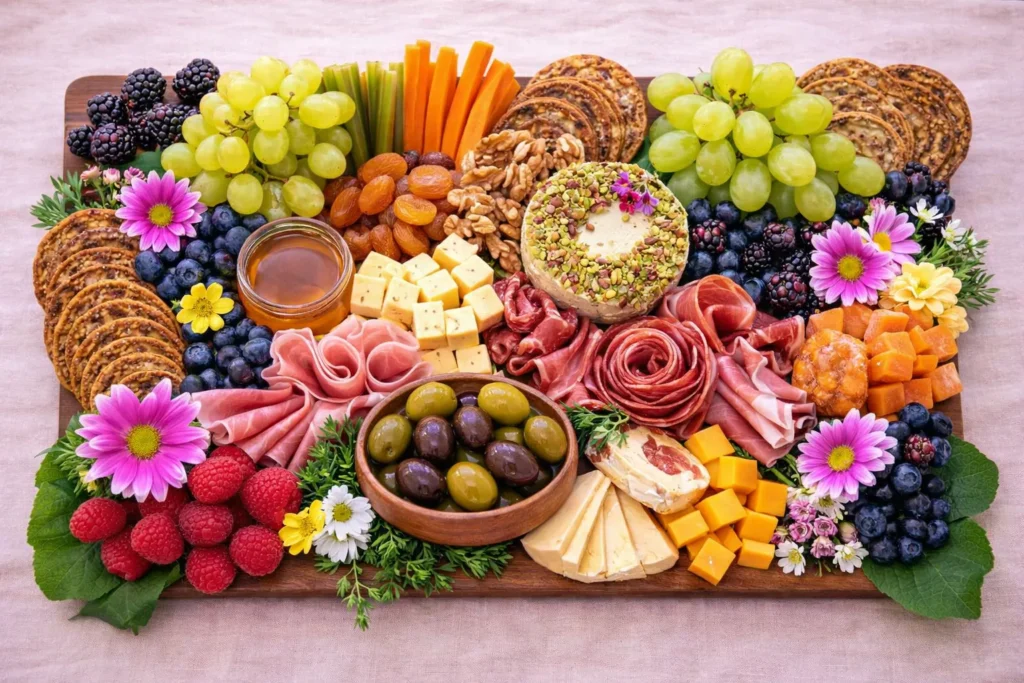
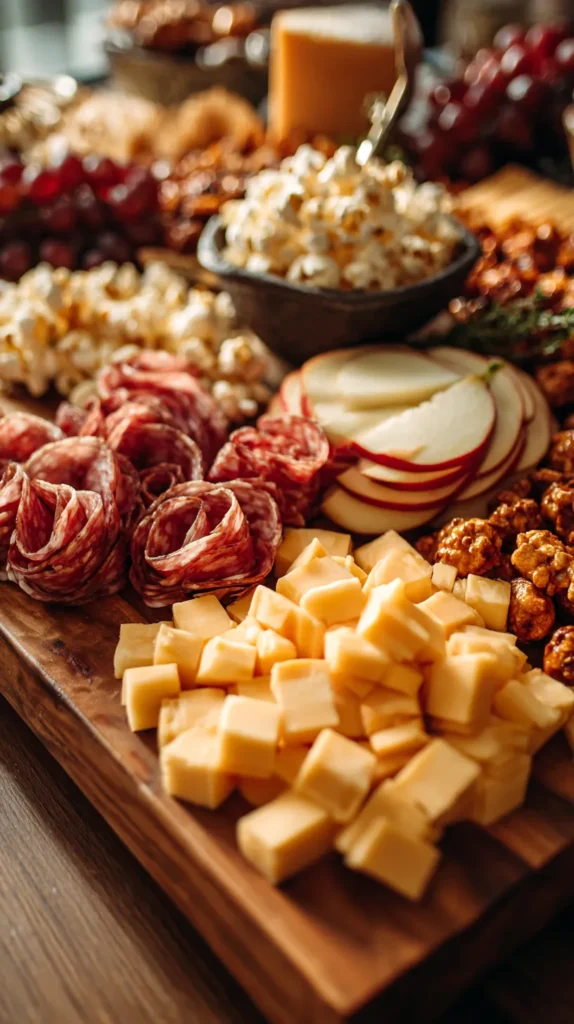
There’s a funny myth online that expensive ingredients make an impressive board. I don’t buy that for a second. A board looks polished because of contrast, spacing, and a few smart choices. Money helps sometimes. Taste helps more.
I’ve found that presentation does most of the heavy lifting. Put pale cheese beside dark grapes and it looks intentional. Add one glossy jam and suddenly the board looks styled. Use a tiny bowl for nuts or olives, and the whole setup starts reading planned, not random.
The details that matter most are usually simple:
- Fold meats instead of laying them flat.
- Use small bowls to break up the layout.
- Add one bright item for color.
- Mix creamy, crisp, juicy, and salty bites.
- Repeat shapes once or twice for balance.
- Leave a little space in one area.
That last move surprises people. They think a full board always looks better. Sometimes it just looks crowded. A little breathing room makes the rest look more special. It gives the eye somewhere to land, which sounds dramatic, but it’s true.
I also like the one-splurge rule. Buy one item that feels a bit special, then let regular grocery staples support it. Maybe that’s brie. Or perhaps it’s prosciutto. Sometimes, it’s hot pepper jelly that makes people raise an eyebrow. Everything else can stay wonderfully normal. The board still looks elevated, because the point is balance, not showing off. That difference changes everything. Honestly, styling sells the story long before price ever does.
I think that’s why some cheap boards still look chic. The layout tells your eyes what to notice first. Once that happens, the price matters a lot less.

The Best Charcuterie Board Is Usually The Least Fussy One
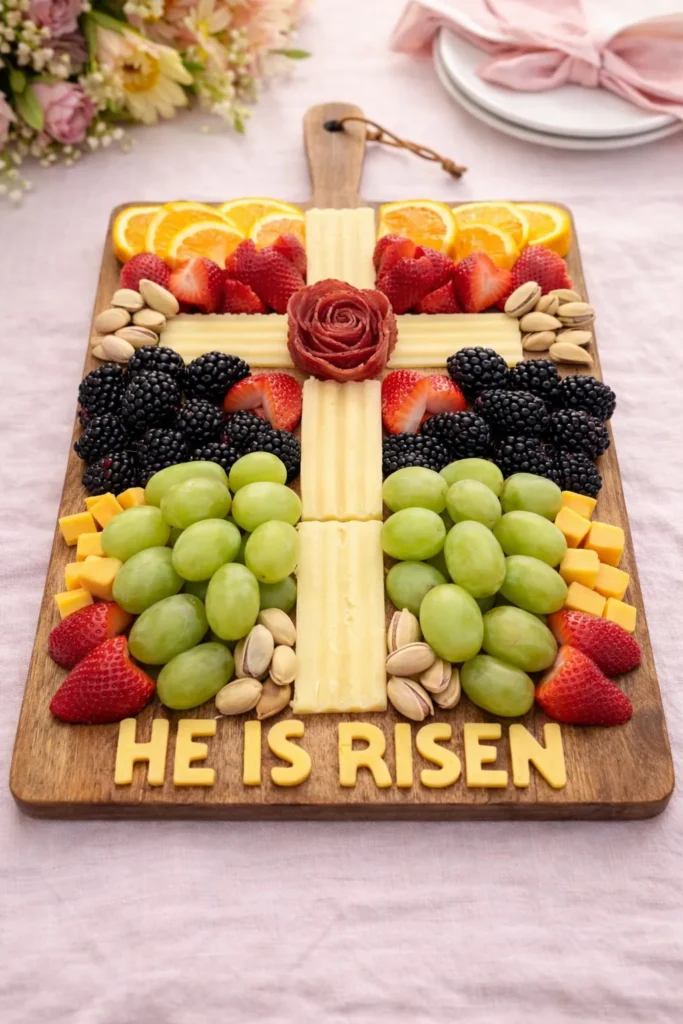
I’ll say something slightly rude about those giant online boards with seventeen ingredients and meat roses everywhere. They’re pretty, sure, but they often look exhausting. The best charcuterie board is usually the one that lets people eat without overthinking.
I’ve found that familiar food disappears first. That matters. Guests reach for cheddar before the mysterious cheese with a long name. Next, they grab sturdy crackers before the ones that taste like dry wallpaper. Soon, they go for grapes, berries, pretzels, and simple dips because those choices feel easy. Easy wins more often than fancy.
That doesn’t mean boring. It means grounded. A smart board has one or two interesting picks. Then it anchors them with things people already know they like. Sharp cheddar still works. Salami still works. Strawberries, nuts, pickles, and a good spread still work. Not every bite needs a dramatic backstory.
Here’s where people get tripped up. They think a grown-up board should feel more complicated. I think the opposite works better. A great charcuterie board keeps the flavors clear and the layout readable. It says, yes, come snack, instead of, please study this arrangement before touching anything.
I’d rather see clean clusters than total chaos. A neat line of crackers looks better than a crumb pile. Loose fruit beside folded meat looks friendlier than a board packed so tightly nobody knows where to reach. Abundance is lovely. Confusion is not. Once you notice that difference, you can’t unsee it. And your next board gets better immediately. Simpler boards also disappear faster, which tells me plenty.
That’s the reset a lot of boards need. They don’t need more drama. Instead, they need more clarity. Guests relax when the choices make sense at a glance.

Grocery Store Shortcuts That Quietly Save The Whole Thing
I love a good specialty market, but let’s stay honest. Most of us build a board between errands, laundry, texts, and whatever else the day threw around. That’s why grocery store shortcuts matter more than internet perfection. A good board should help your night, not hijack it.
I’ve found that speed and strategy go together here. Pre-sliced cheese can be a gift. Bakery bread can fill awkward spaces beautifully. Pantry nuts can make a board look fuller in seconds. None of that is cheating. It’s common sense wearing lipstick.
These shortcuts save a board every single time:
- Buy one deli meat and one dry meat, then stop.
- Use jam instead of making a fancy spread.
- Add grapes, berries, or apple slices for instant color.
- Pull pickles or nuts from the pantry first.
- Use crackers in two shapes for easy contrast.
- Grab one dip that works with both bread and vegetables.
- Slice bread right before serving so it stays fresh.
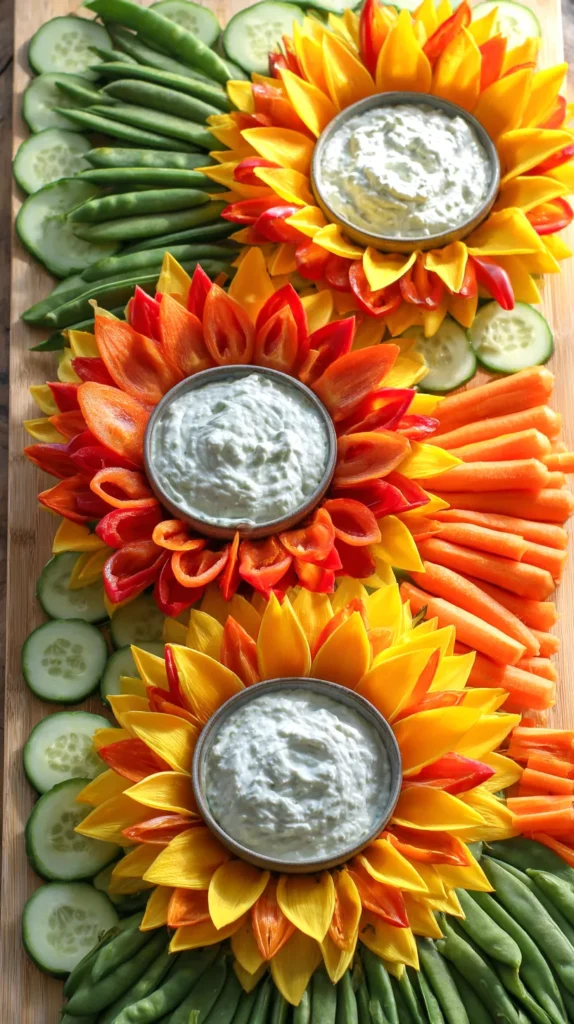
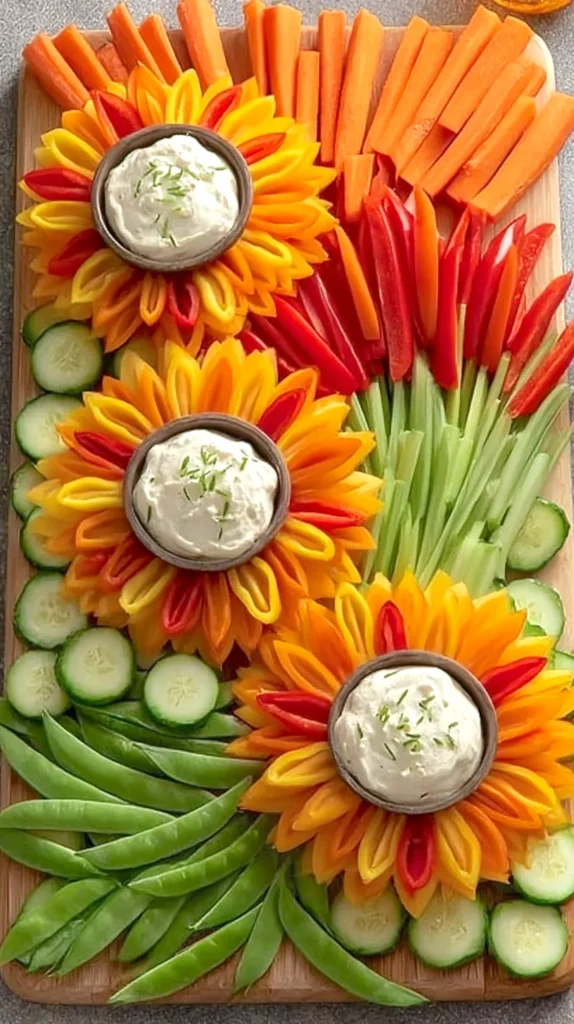
I also think produce deserves more credit here. Snap peas add crunch. Citrus slices brighten everything. Apple wedges beside cheddar look polished fast. Fresh herbs can help, too, but I don’t treat them like a requirement. If they work, great. Otherwise, nobody’s sending a complaint to the hostess board.
The real trick is editing. Pick a mood, then stick with it. If the board leans cozy and savory, don’t suddenly toss on random candy because you got distracted. A clear direction makes even cheap ingredients look intentional. And intentional almost always reads more expensive. That’s a very satisfying little trick. It saves money and keeps the whole thing calmer.
That may sound small, but it isn’t. A calm board is easier to shop for, style, serve, and refill. Those wins add up quickly.

Charcuterie Board Mistakes That Make The Whole Thing Look Off
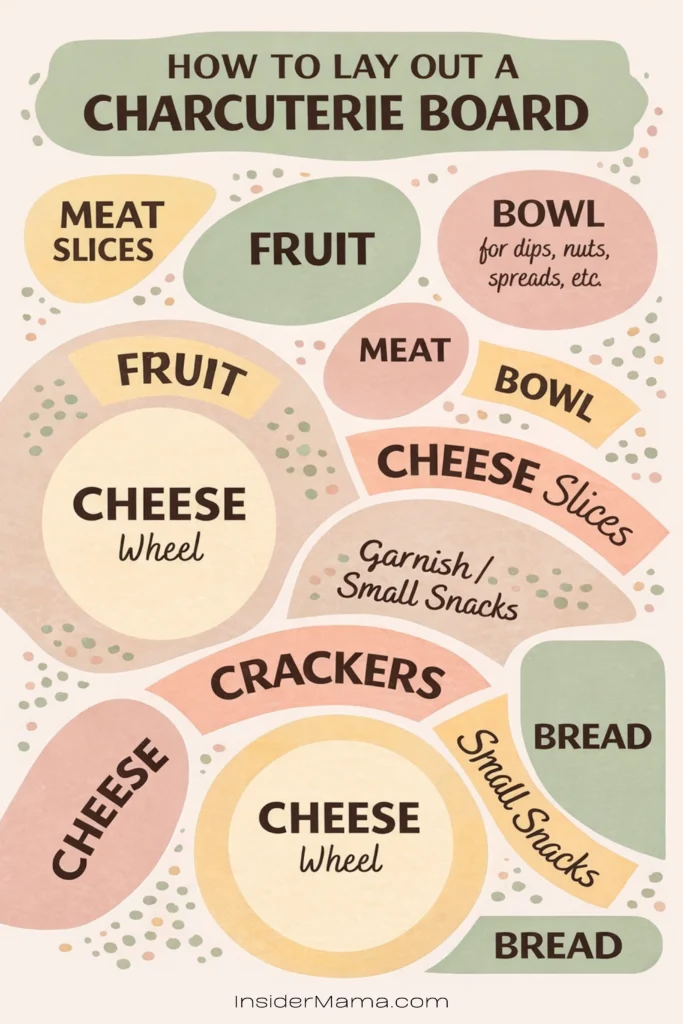
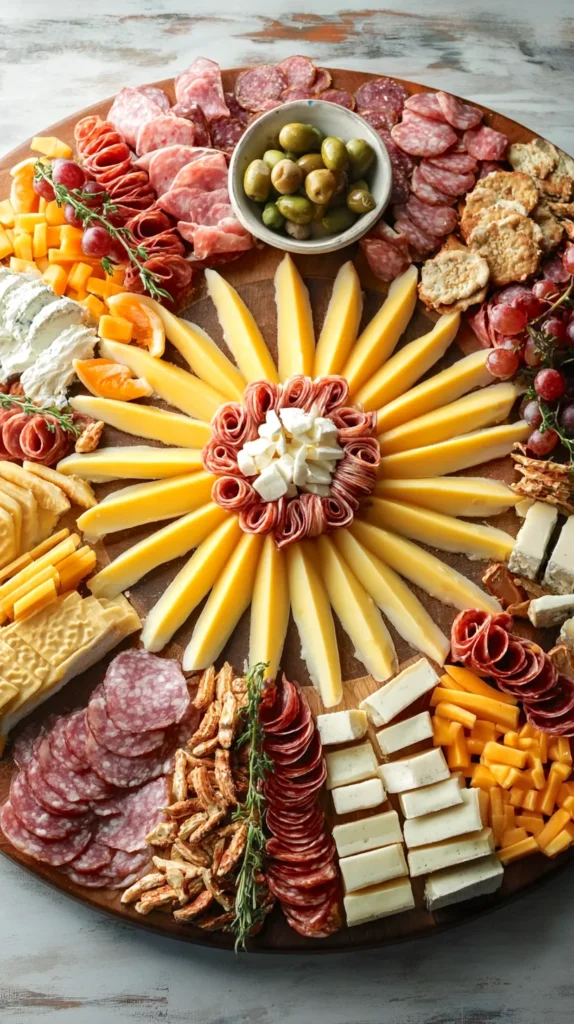
A board can go weird quickly, and not in a fun spontaneous way. I’ve found that most bad boards don’t fail because of the food itself. Instead, they fail because the pieces don’t make visual sense together. Everything starts competing, and the whole thing looks oddly tense.
Scale causes a lot of that trouble. Huge crackers beside tiny cheese cubes can look awkward fast. Giant strawberries next to paper-thin meat slices can throw the rhythm off. When the pieces feel mismatched, the board starts reading random, even if every item tastes perfectly fine.
Color causes trouble, too. Beige crackers, pale cheese, and light bread may sound harmless, but together they can look sleepy. A charcuterie board needs contrast. First, one dark item helps. Then, one juicy item helps more. Suddenly the board has life, instead of looking like a pile of polite carbohydrates.
Texture matters more than people expect. If everything is soft, nothing stands out. Yet if every bite crunches, the board gets tiring. I like creamy cheese beside crisp crackers. Then I want juicy fruit beside salty meat, plus a sticky spoonful of jam nearby. That little contrast keeps the board interesting without making it chaotic.
My strongest opinion might be this one. Not every empty spot needs filling. People see a bare patch and panic. Meanwhile, I’m thinking the wood is doing a public service. Space makes the board readable. It helps the good stuff stand out. Sometimes the right move is not adding one more thing. Instead, the right move is backing away. That restraint makes the whole board prettier. It also makes serving easier.
That mix keeps each bite from blending into the next. People stay interested longer. A board like that keeps people curious.

Theme Ideas That Actually Make People Remember The Table
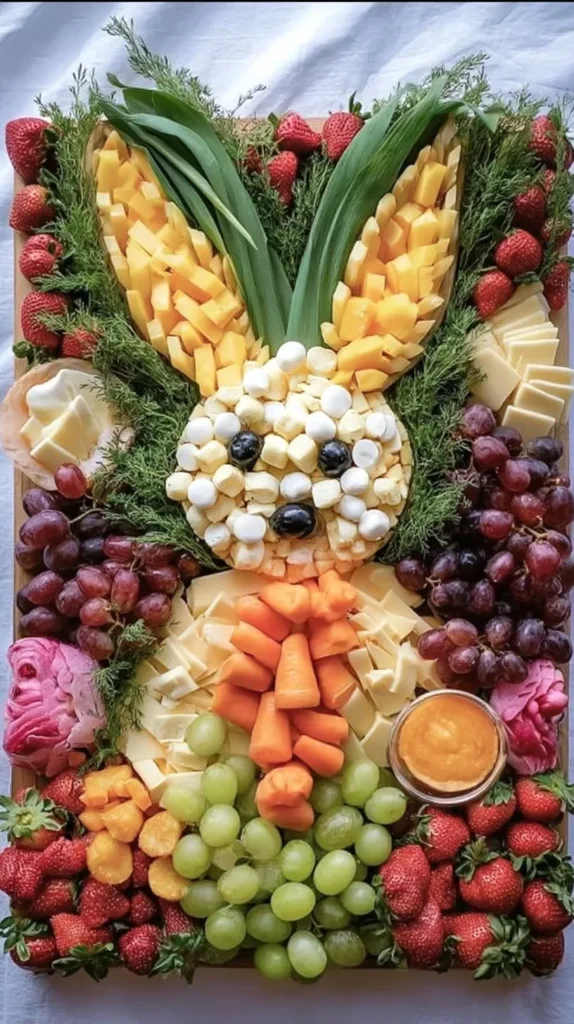
Sometimes a theme can turn a decent board into something people actually remember. I’m not talking about gimmicks or cheese cubes dressed for a holiday pageant. I mean a board with a point of view. That shift changes the shopping, the layout, and the mood.
I’ve found that the best themes are simple and slightly obvious. Cozy. Bright. Brunchy. Salty. Sweet. Spicy. Once you choose one, the board stops looking like the fridge emptied itself by accident. Instead, it starts looking intentional, which is really the whole game.
A few themes work especially well:
- Brunch board with mini waffles, berries, bacon, and whipped cream cheese.
- Summer board with peaches, mozzarella, prosciutto, and basil.
- Movie night board with popcorn, candies, chips, and salty meats.
- Holiday board with cheddar, cranberries, nuts, cookies, and jam.
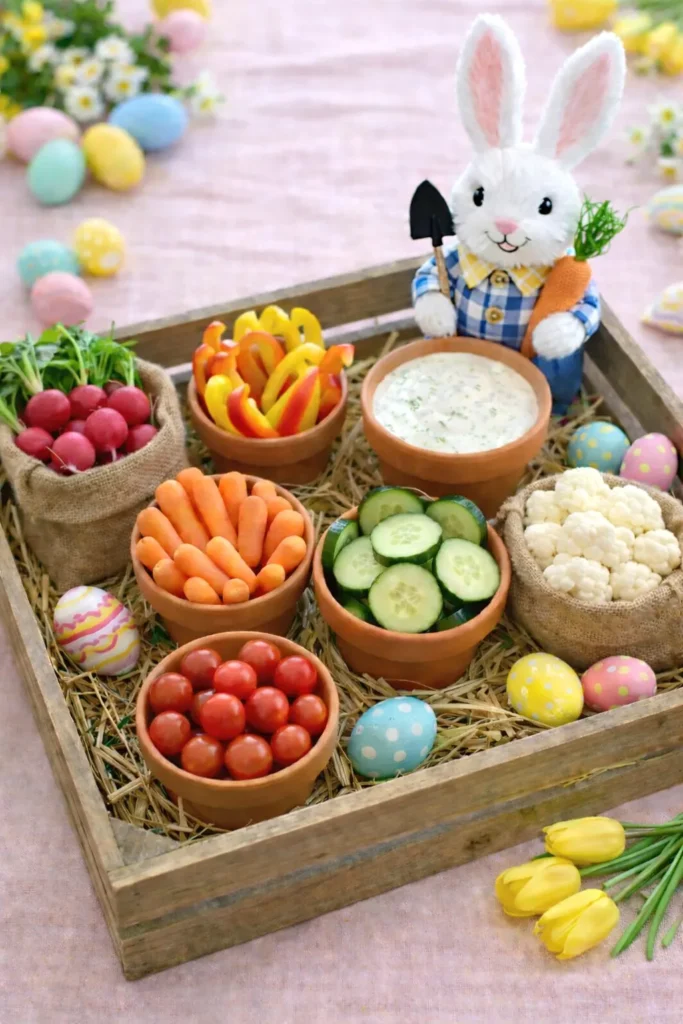
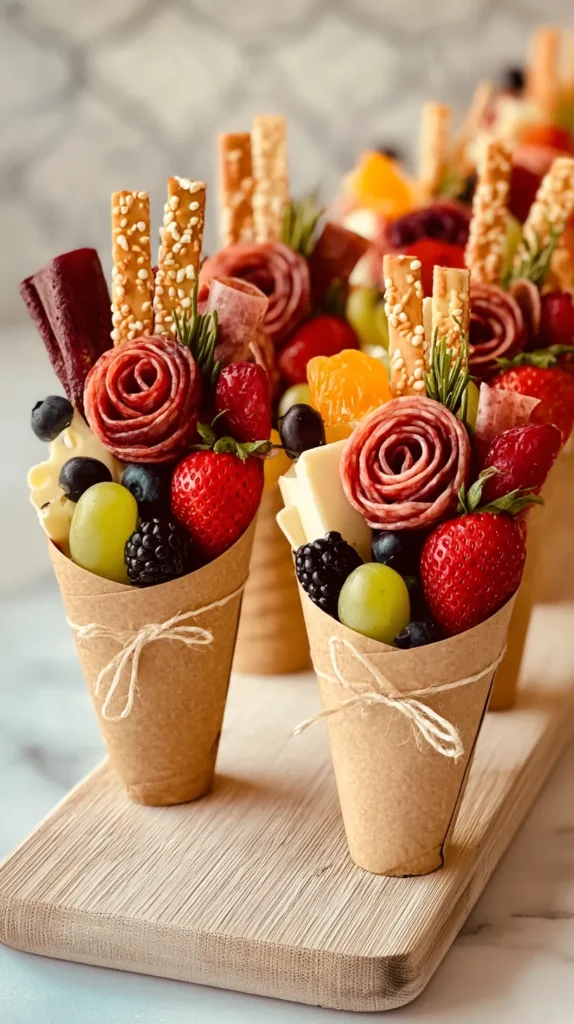
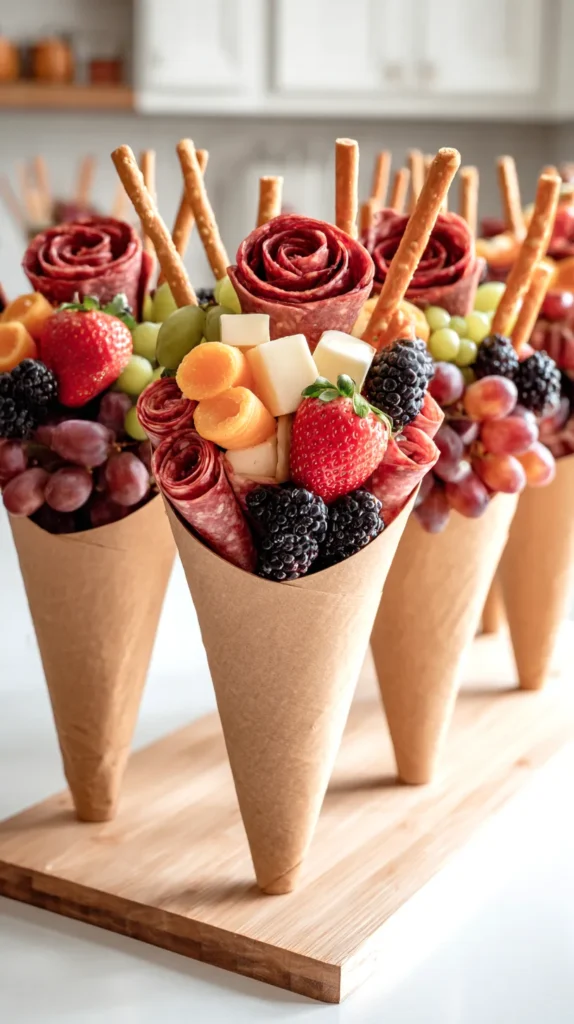
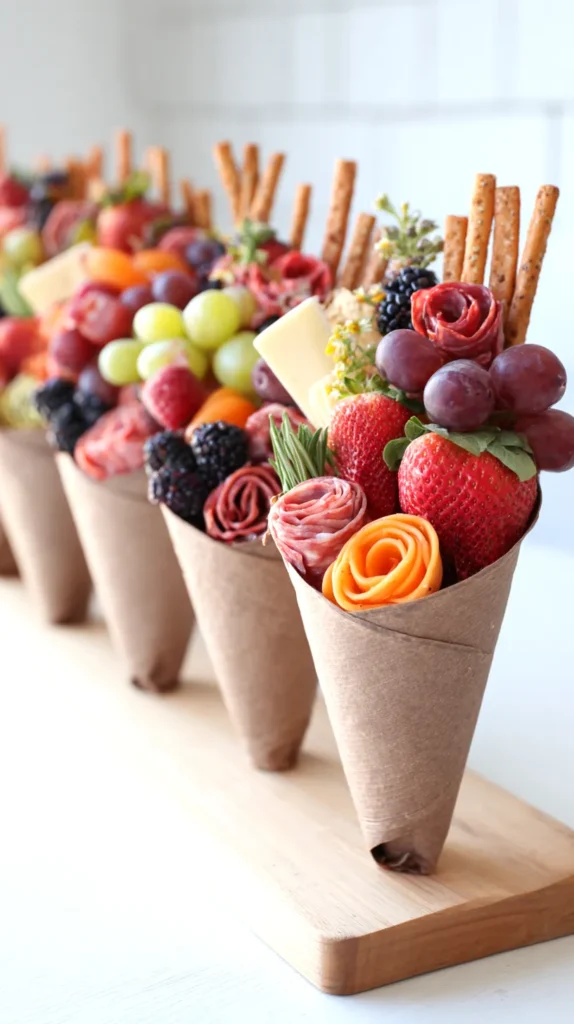
- Kid-friendly board with turkey rolls, cheese cubes, grapes, and pretzels.
- Dessert board with brownies, strawberries, marshmallows, and dip.
The trick is not taking the theme too literally. That’s where people lose the plot. A summer board doesn’t need beach decorations and melon cut into dolphins. Meanwhile, a holiday board doesn’t need rosemary shaped like a tiny forest. Make that effort only if you enjoy it.
Here’s the better question. What do you want people to reach for first? Build around that answer, and the theme starts making sense. The board gets personality without becoming corny. That’s the sweet spot for me. Memorable, yes. Forced, absolutely not. A clear mood always beats a bunch of random cute ideas. It gives the whole table more charm.
I also think a theme helps with shopping discipline. You skip random extras. Plus, impulse buying starts to fade. Suddenly, the board looks smarter and the cart looks calmer.
A charcuterie board with a clear theme reads better. It looks thoughtful without looking overworked.
Why The Budget Side Of This Works Better Than You’d Think
I think people get nervous about board prices for one reason. The internet loves a giant spread and calls it casual. Those huge setups are not casual. They require planning, money, and enough leftovers to start a second event. Real life usually needs something more normal.
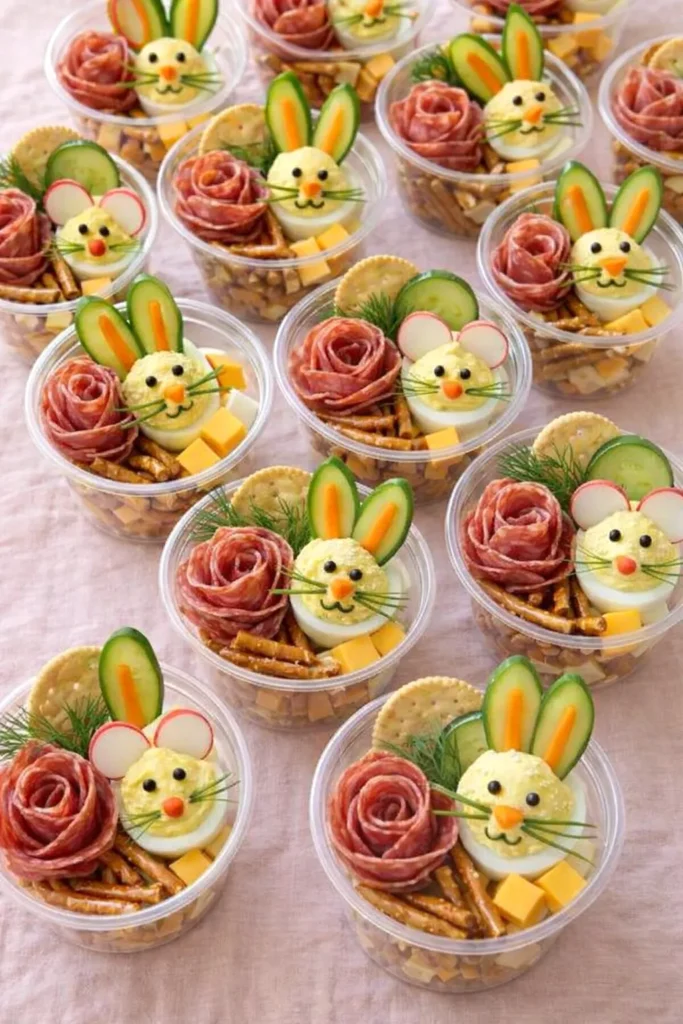
I’ve found that a smaller board often works better anyway. A board for four or six people can look generous without getting absurd. You do not need six cheeses. Instead, you probably don’t need four meats. Most guests would rather have enough crackers and fruit than a dramatic lineup of ingredients they barely touch.
Here’s my unpopular opinion. Volume matters more than variety in most cases. A fuller bowl of grapes helps the board more than a tiny pile of fancy nuts. Meanwhile, a sliced baguette stretches beautifully. Also, crackers work hard. Even a basic cheddar can hold its own when the pairings are smart.
That’s why I like using a cheap base and a few strategic upgrades. Start with fruit, crackers, nuts, and one spread. Add two cheeses you actually enjoy. Include one meat if you want it. Then use something bold, like pepper jelly or dried apricots, to make everything look layered.
Once you stop chasing showroom perfection, the numbers calm down fast. A board can be budget-friendly and still look polished. It just needs proportion, contrast, and confidence. I think that’s the part people miss. The board doesn’t need to cost a fortune. It needs to look like you meant to make it that way. That’s a much easier goal. And thankfully, it tastes just as good.
That’s the trick nobody advertises. A smaller spread can still look abundant. You just need smarter spacing and a few dependable fillers.
How To Make A Charcuterie Board Keep People Hovering
The goal isn’t just a pretty board. I want a charcuterie board that keeps people circling the table, because hovering changes the mood. It creates those little in-between moments that make a gathering more fun. That part matters more than perfect styling.
I’ve found that a few moves help immediately:
- Put the board where people naturally pass by.
- Keep small plates and napkins within easy reach.
- Slice things before serving so nobody wrestles with them.
- Add one item people will ask about.
- Refill quietly before the board looks tired.
- Keep sweet, salty, and crunchy bites close together.
- Let one dip or jam act like the center point.
That question item really helps. Maybe it’s hot honey. Or maybe it’s fig jam. Sometimes it’s spicy pickled vegetables that surprise people a little. The board doesn’t need to be strange. Still, it should give someone a reason to say, Wait, what is that?
Placement matters just as much. If the board sits in a dead corner, it becomes decoration. However, if it lives near the drinks or the kitchen path, people keep circling back. That movement makes the board successful. Pretty is nice. Traffic is better.
And yes, refills matter. A board with enough food still looks inviting. Meanwhile, a board with two lonely crackers and one grape looks like the party missed its chance. I don’t chase perfection here. Instead, I keep the board fresh enough that people want another bite. That’s the whole trick, and it works embarrassingly well. People stay near what keeps rewarding them. That’s true at every party.
That steady little refresh works wonders. Guests notice abundance, even when the board started small. A few easy refills can fake generosity beautifully.
The Snack Table Gets The Last Laugh
I’ve found that a charcuterie board changes the mood before anybody says so out loud. People loosen up around snack food. Conversation gets easier. Soon, the room starts humming in a softer way. Nobody acts like they arrived straight from a stressful day.
That might sound a little dramatic, but I stand by it. Food you can nibble while chatting hits differently. Sit-down food asks everyone to settle and behave. Both have their place, obviously. Still, the board has range, and I love that about it.
As a mom, I also appreciate anything that works across ages without turning into a negotiation. That alone makes a charcuterie board worth the trouble in my book. It can look grown-up, stay flexible, and still make sense for real life. That combination is weirdly hard to beat.
I think that’s why boards keep showing up on Pinterest and at actual gatherings. They hit that sweet spot between pretty and practical. More importantly, they make people think you tried, but not in a frantic sweaty way. And honestly, that’s the energy I want near my snack table.
So yes, I respect a beautiful dinner. However, my answer is clear when the choice gets annoying. Give me good cheese, crisp crackers, one bold jam, and a little restraint. That’s not just hosting. It’s a small act of good judgment with a very cute payoff.
And really, that’s the whole charm. It looks relaxed, tastes generous, and keeps people lingering longer than they planned.