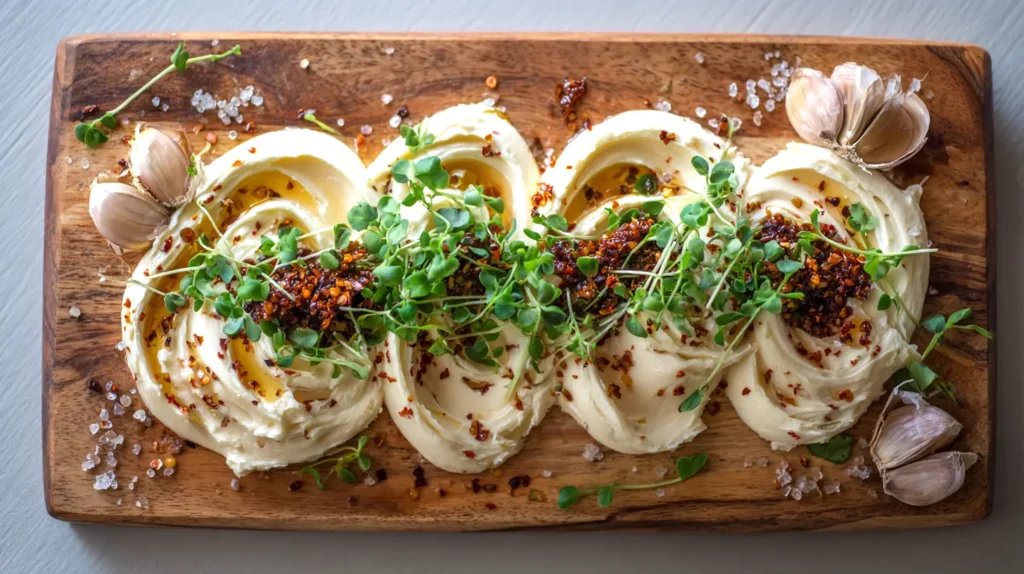
I’ve been craving entertaining ideas that don’t act like a performance. You know the kind. The ones that look beautiful but don’t require a spreadsheet, a cheese dictionary, or a silent panic in the kitchen. Lately, that craving keeps circling back to a charcuterie-style butter board. It’s familiar food presented with intention, which happens to be my favorite hosting lane.
Butter sets a different tone than most spreads. People relax around it. Nobody wonders if they’re doing it wrong or asks what pairs best. They just grab bread, spread generously, and keep talking. When you layer that comfort with classic charcuterie elements, the board feels abundant without feeling formal or heavy.
I’ve found that gatherings work best when food encourages hovering. Chairs get abandoned. Conversations overlap. People build bites while catching up. A butter-forward setup makes that happen naturally, without forcing anything or assigning roles.
Living in Orlando means entertaining looks different here. We host year-round. We lean casual. Warm evenings don’t call for complicated cooking or strict timelines. That’s why boards like this fit my life so well. In this post, I’m walking through how to build one thoughtfully, how to balance butter with charcuterie elements, and how to keep the whole thing relaxed instead of overworked.
Some of the links on this page are affiliate links, which means that if you click on them and buy something, I might get a small commission. But don’t worry; it never costs you more. You can peek at my full disclosure if you’re curious about the fine print.
Why a Charcuterie-Style Butter Board Works So Well
A charcuterie-style butter board works because it removes pressure before anyone even takes a bite. Butter is familiar, which immediately lowers expectations. Guests don’t hesitate or hover awkwardly. They step right in and start spreading.
This setup also encourages interaction in a way that feels natural. Instead of grabbing something pre-made and walking away, people build bites together. Someone suggests honey with flaky salt. Someone else swears by herbs and garlic. That shared moment becomes part of the gathering rather than background noise.
I’ve noticed that butter-centered boards slow people down in the best way. Guests linger longer. Conversations stretch. Nobody rushes off with a plate balanced on one hand. The board becomes a place to gather, not just a stop along the way.
There’s also a practical reason this idea works so well. Butter costs less than elaborate cheese spreads. Because of that, you can focus on thoughtful accents instead of expensive volume. A few quality additions go further here, especially when they’re chosen with intention.
Visually, butter boards strike a balance that many spreads miss. Swirled butter looks intentional but not rigid. Charcuterie elements add structure without stealing focus. The board feels abundant without looking staged or overly styled.
That mix of comfort, interaction, and ease is why this idea keeps sticking around. It doesn’t chase trends. It supports real hosting.
Choosing the Right Butter for a Butter-Forward Charcuterie Board
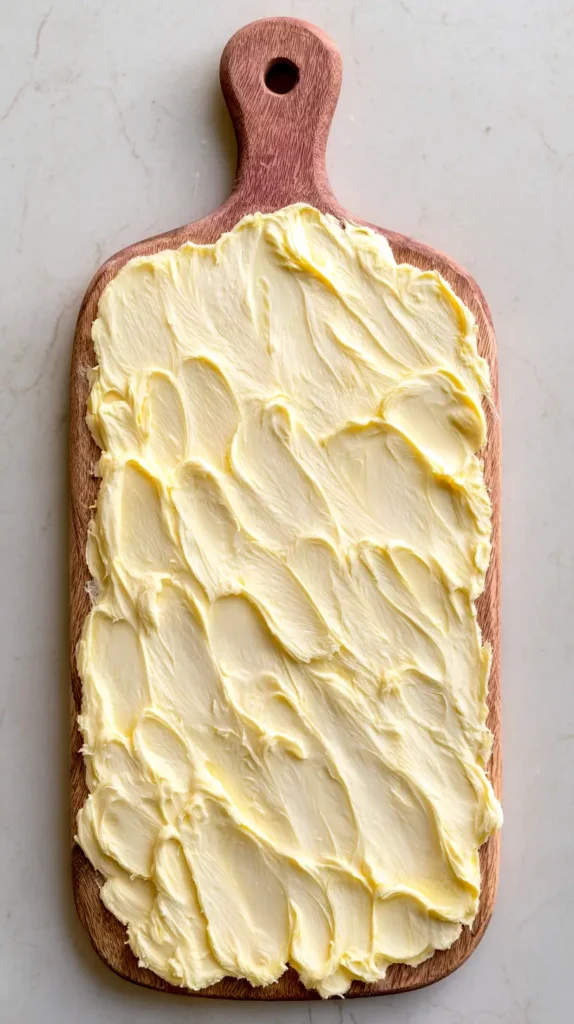
Butter is the foundation, so this choice matters more than people expect. For a butter-forward charcuterie board, texture and flavor should work together instead of competing.
Here’s what I prioritize when choosing butter:
- Softened butter that spreads easily without tearing bread
- Mostly unsalted butter for better seasoning control
- One optional salted or cultured butter for contrast
- A creamy texture that holds swirls and toppings
European-style butter works beautifully because of its higher fat content. That richness carries herbs, salt, and zest more smoothly across bread. However, regular butter still works well when softened properly and handled gently.
I usually stick to two or three butter sections on the board. More than that starts to feel busy instead of generous. One plain base, one savory option, and one lightly sweet option create variety without overwhelming guests.
When it comes to shaping, less precision looks better. Use the back of a spoon. Create loose swirls and ridges. Those textures catch toppings naturally and add visual interest without effort.
Butter doesn’t need to be overworked or heavily seasoned. It just needs thoughtful companions. When butter leads and charcuterie supports, the board stays balanced, approachable, and inviting.
How to Build Layers That Balance Butter and Charcuterie
Layering matters more than people expect. A butter-led charcuterie board works best when elements are added with pacing, not all at once.
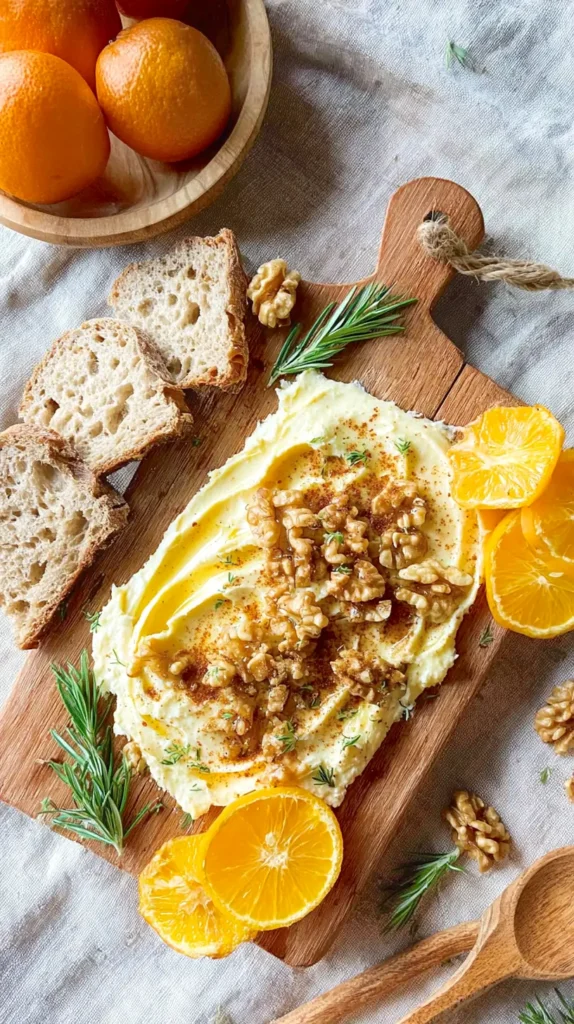
Start with the butter. Spread it first so everything else supports it visually. Once that base is down, the board feels grounded instead of scattered.
Then add structure:
- Sliced baguette or sourdough for spreading
- Crackers for crunch and contrast
- Toasted bread for warmth and texture
Next, bring in charcuterie elements. These should complement butter rather than dominate it. Think cured meats, olives, nuts, or pickled vegetables placed with intention and space between them.
I’ve found that spacing matters more than quantity. Negative space keeps the board approachable and easy to navigate. Crowding creates hesitation, which works against the relaxed tone you want.
Use small bowls only where necessary. Honey, jam, or mustard benefit from containment. Everything else can live freely on the board.
Finish with fresh touches. Herbs, citrus zest, or a few edible flowers brighten both flavor and appearance. These details signal care without feeling fussy or staged.
When layers are intentional, the board flows naturally and invites interaction.
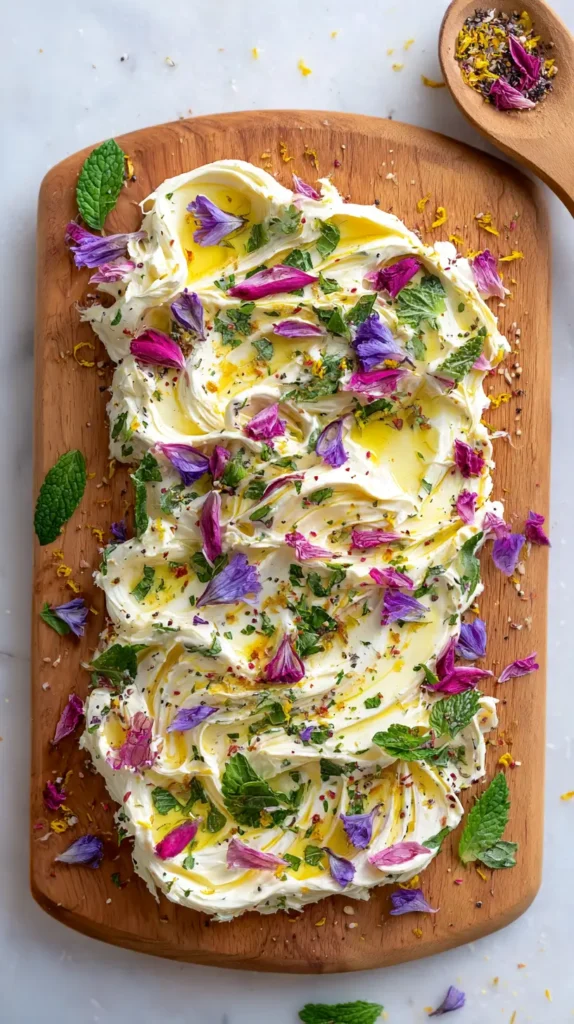
Flavor Combinations That Actually Work Together
Flavor balance keeps a butter-centered charcuterie board from tipping into chaos. Every topping should earn its place instead of competing for attention.
Reliable pairings include:
- Flaky sea salt for instant depth
- Fresh herbs like chives or thyme for brightness
- Honey or fig jam for gentle sweetness
- Roasted garlic for savory richness
- Olives or pickles for acidity
I’ve noticed that fewer toppings create better bites. Six strong options outperform ten random ones every time. Clarity helps guests build combinations confidently instead of guessing.
Think in contrasts when choosing flavors. Creamy butter meets crunchy bread. Rich butter meets acidic pickles. Salty meats meet sweet accents. That push and pull keeps each bite interesting.
Avoid overpowering additions. Strong truffle oils or aggressively smoked salts can steal focus quickly. This board thrives on balance, not boldness for its own sake.
When flavors make sense together, guests instinctively create better bites. That ease keeps the board enjoyable instead of confusing.
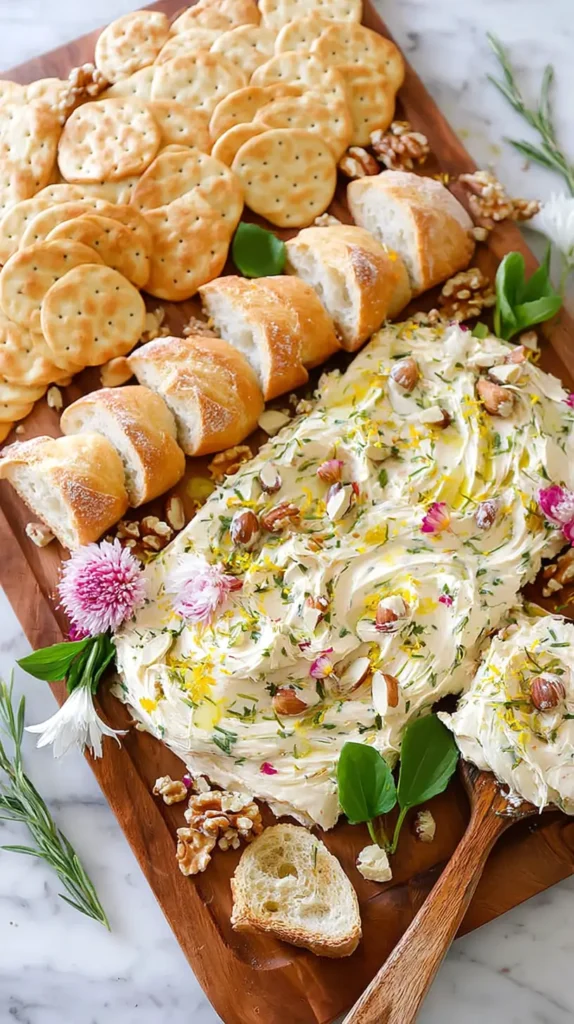
Bread and Crackers That Support the Butter
Bread does more than hold butter. On a butter-forward charcuterie board, it sets the rhythm for how people eat.
Soft breads spread easily but collapse quickly. Crusty breads hold structure. Crackers add crunch. A thoughtful mix keeps the board dynamic.
What works best in practice:
- Thin baguette slices for balance
- Toasted sourdough for chew
- Neutral crackers without heavy seasoning
Thickness matters more than it seems. Thin slices snap. Thicker slices support heavier spreads. Offering both creates options without cluttering the board.
Warm bread changes everything. Even slightly warm slices soften butter instantly and enhance aroma. That warmth adds comfort without extra effort.
Placement matters too. Keep bread close enough for easy access but far enough to avoid crumbs in the butter. That small detail improves flow and keeps the board looking inviting.
When bread works, everything else falls into place naturally.
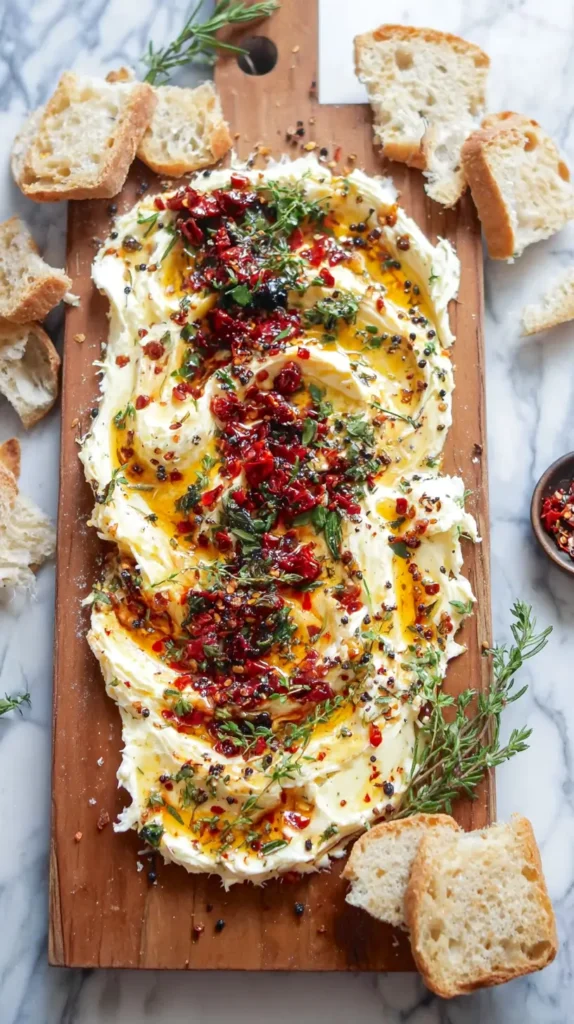
The Secret to Butter Board Charcuterie That Nobody Talks About: Temperature Flow
Most people focus on toppings, but temperature quietly controls whether a butter-centered charcuterie board succeeds or frustrates. Butter behaves differently minute by minute, and understanding that flow changes everything. Instead of fighting melting or stiffness, you can design the board to work with time.
Here’s the overlooked idea: build your charcuterie-style butter board in temperature zones. Butter closest to warm bread softens faster. Butter farther away holds structure longer. That natural shift creates variety without extra ingredients.
I’ve found that guests instinctively gravitate to different textures. Early arrivals enjoy firmer butter with clean spreads. Later guests prefer softer butter that scoops easily. Because of that, one board can serve multiple preferences without adjustment.
Placement matters more than people realize. Put bread that’s slightly warm on one side. Keep crackers and cooler elements on the other. Butter between those areas changes gradually instead of all at once. That pacing keeps the board usable longer.
Another benefit shows up in flavor. Softer butter releases aroma more quickly. Firmer butter tastes cleaner and more restrained. Guests experience both without being told. That subtle shift feels intentional, even if they can’t explain why.
This approach also reduces stress. You don’t have to time serving perfectly. The board evolves naturally. That evolution makes the experience feel alive instead of static.
What makes this idea valuable is its simplicity. No extra tools. No extra prep. Just thoughtful placement. When temperature works for you, butter stays inviting longer. Charcuterie elements remain balanced. Hosting becomes calmer.
That quiet control is what elevates a butter-focused charcuterie board from trendy to truly smart.
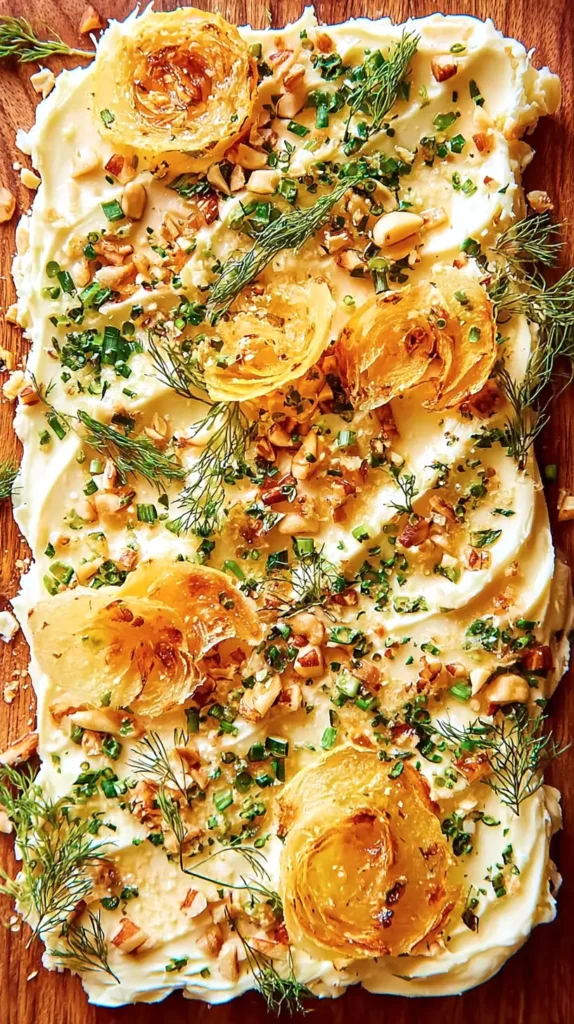
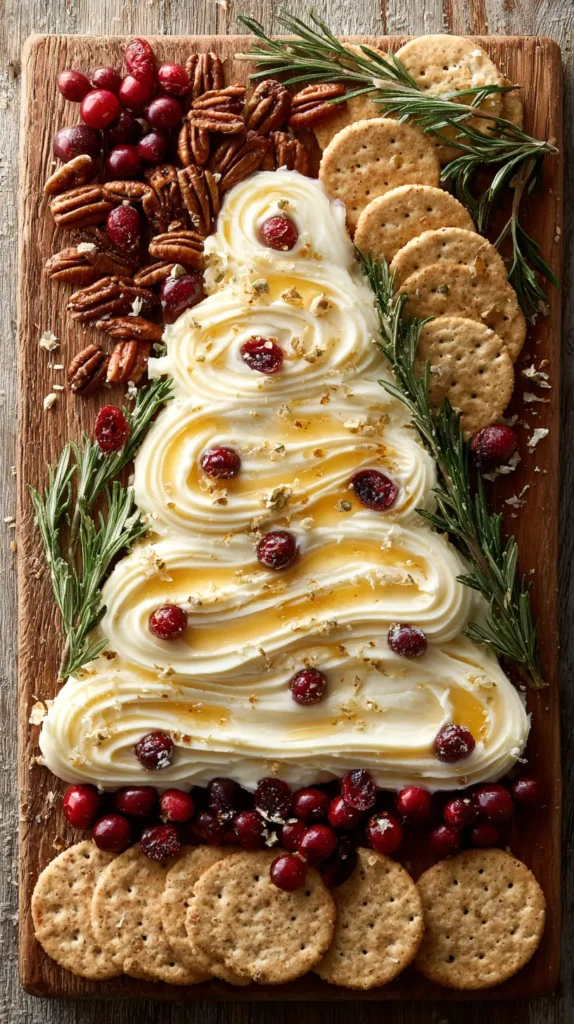
Styling the Board Without Overthinking It
Styling a charcuterie-inspired butter board should support eating, not distract from it. The goal is invitation, not perfection.
Start with a board large enough to breathe. Wood works beautifully. Stone works too. Size matters more than material.
Swirled butter looks better than smooth butter. Imperfection signals ease and approachability. Symmetry isn’t required here.
Group items loosely and avoid strict lines. Let things look organic rather than arranged.
Use height sparingly:
- One or two small bowls for honey or jam
- A folded cloth under bread for subtle lift
Color does most of the visual work. Golden butter, green herbs, deep olives, and neutral breads create contrast without trying.
Before serving, wipe the board’s edges. That tiny step elevates the entire presentation and keeps it clean.
Good styling invites hands. That’s always the goal.
Making This Board Work for Real Life Hosting
Real life hosting demands flexibility, and a butter-based charcuterie board adapts beautifully. It works as a starter, a snack spread, or a casual centerpiece.
Most elements can be prepped ahead. Butter softens naturally. Toppings wait patiently. Assembly stays quick and low stress.
This board also scales easily:
- Add more bread for larger groups
- Add one extra butter flavor for variety
- Stretch toppings without losing balance
I appreciate how forgiving this setup is. Missing an ingredient doesn’t derail the plan. Substitutions blend in easily.
For warm climates like Orlando, this approach avoids heavy cooking altogether. No oven. No strict timing. Just simple assembly that works with the weather.
When food works with your life instead of against it, hosting becomes enjoyable again.
Sweet Options That Belong on a Butter-Led Charcuterie Board
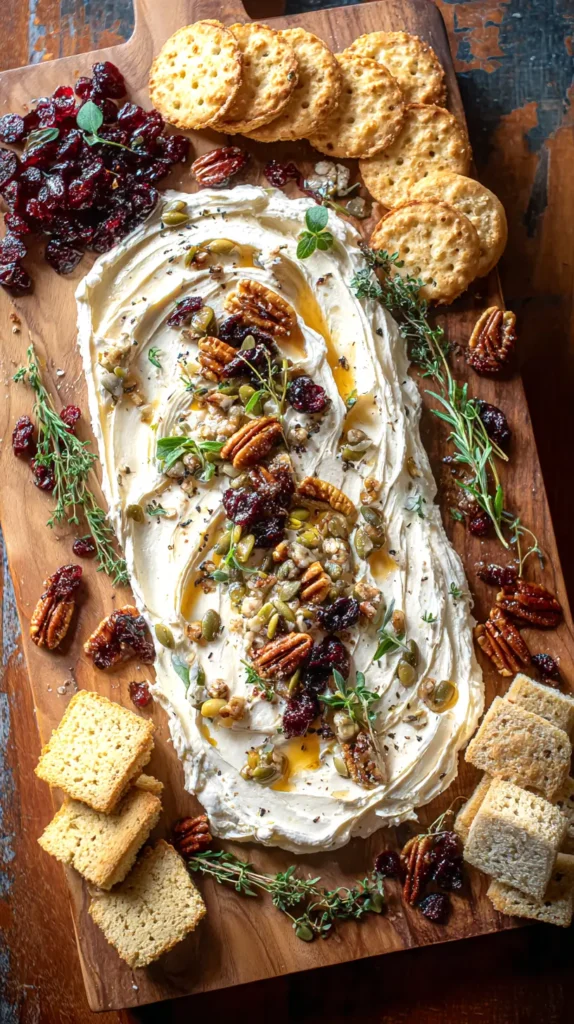
Sweet elements often get overlooked on a butter-led charcuterie board, which is a mistake. Butter plays surprisingly well with sweetness, especially when it’s balanced thoughtfully. The goal isn’t dessert. It’s contrast.
I like to think of sweet additions as gentle interruptions. They break up savory bites and keep the board interesting over time. Guests might start with herbs and salt, but sweetness pulls them back for another round.
Reliable sweet additions include:
- Honey drizzled lightly over softened butter
- Fig or apricot jam for depth without excess sugar
- Fresh berries for brightness and color
- Thin apple or pear slices for crunch
- A pinch of cinnamon or citrus zest
What matters most is restraint. Sweet elements should accent, not dominate. Too much sugar shifts the board away from balance and into dessert territory, which isn’t the goal here.
I’ve found that guests enjoy discovering sweet bites organically. Someone spreads butter, adds honey, then layers herbs accidentally. That surprise becomes memorable.
Sweet options also help the board appeal to different preferences. Kids lean sweet. Adults often start savory, then circle back. That variety keeps everyone engaged.
Placement matters too. Keep sweet items slightly separated from savory meats. This subtle cue helps guests build better combinations instinctively.
When sweetness is used thoughtfully, it rounds out the board. Butter becomes more dynamic. Charcuterie elements stay grounded. The entire spread feels complete without becoming heavy.
Seasonal Twists That Keep Butter Boards Interesting All Year
One reason a butter-forward charcuterie board works so well is its adaptability. It shifts easily with the seasons without requiring a full rethink. Small changes make a big difference.
Seasonal adjustments keep the board fresh and relevant. They also help ingredients stay affordable and accessible.
In warmer months, lighter additions shine:
- Fresh herbs like basil or dill
- Citrus zest and thin slices
- Fresh berries or stone fruit
- Lighter crackers and airy breads
As seasons cool, richer elements feel right:
- Roasted garlic or shallots
- Warm spices like nutmeg or cinnamon
- Toasted nuts
- Heartier breads and seeded crackers
I’ve noticed that seasonal touches help guests connect emotionally to the board. It feels intentional without explanation. The food matches the moment.
Living in a warm climate like Orlando means seasons blur a bit. That flexibility actually works in favor of butter boards. You can borrow from multiple seasons without breaking rules.
Seasonal changes don’t require new skills. They require attention. Swapping herbs, fruit, or toppings keeps the concept fresh while the structure stays familiar.
This adaptability also makes the board reliable. You don’t need a new idea every time you host. You just adjust details.
When a board evolves with the season, it stays exciting. Butter remains the anchor. Charcuterie elements shift naturally around it.
Common Butter Board Mistakes and How to Avoid Them
Butter-based charcuterie boards are forgiving, but a few missteps can throw off the balance. Avoiding these keeps the board inviting instead of frustrating.
One common mistake is using butter that’s too cold. Cold butter stops everything. It tears bread and discourages spreading. Always soften butter fully before assembling.
Another issue is overcrowding. Too many toppings confuse guests. Choice feels good, but clarity feels better.
Other pitfalls include:
- Over-seasoning butter before tasting
- Using overly flavored crackers
- Placing bread too far from the butter
- Forgetting acidity to cut richness
I’ve found that less truly works better here. A focused board encourages confidence. Guests don’t overthink their choices.
Another mistake is treating butter as an afterthought. On a butter-forward charcuterie board, butter deserves attention. It should be visible, accessible, and central.
Presentation missteps matter too. Messy edges and dripping honey distract from the experience. A quick wipe before serving goes a long way.
Finally, skipping texture variety flattens the board. Crunch, chew, and creaminess should all show up.
When these mistakes are avoided, the board works effortlessly. Butter leads. Charcuterie supports. Guests relax. That’s always the goal.
Final Thoughts
I keep returning to this idea because it respects real life. A butter-forward charcuterie board doesn’t demand perfection or performance. It invites connection instead. I’ve found that when food feels familiar, people relax faster and stay longer.
Butter shared openly carries a quiet generosity. It reminds people that hosting doesn’t need to impress to matter. It just needs to welcome.
Living in Orlando shapes how I entertain. Warm nights and casual gatherings are common, and boards like this fit that rhythm beautifully.
This style also translates online with ease. It photographs well, explains clearly, and sparks curiosity. That’s why it performs so well on Pinterest.
At the end of the day, hosting should support connection, not stress. When butter leads and charcuterie supports, the table becomes a place people want to linger.